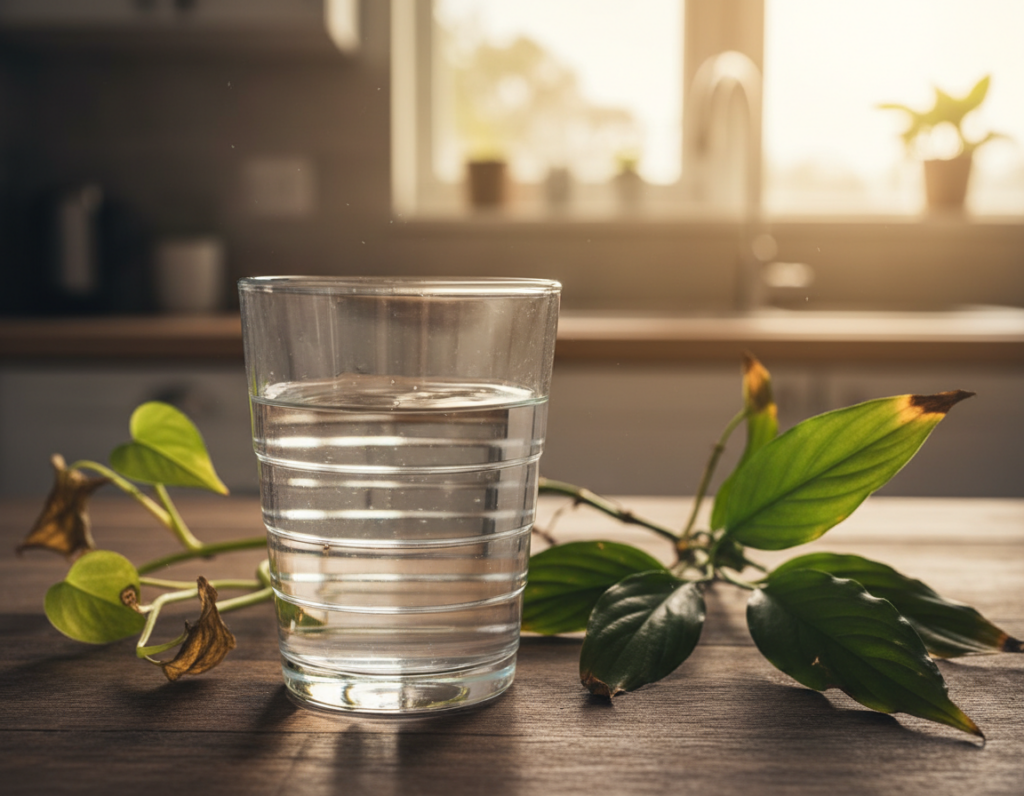
Chlorosis happens when something interrupts chlorophyll, the pigment that gives greenery its color. In many cases, visible yellow leaves are a sign of stress rather than overall decline.
Most yellowing traces back to a few environmental causes: poor drainage, improper watering, root damage, or an off soil pH. These factors limit nutrient uptake and lead to discolored foliage.
In a typical living room, a healthy-looking specimen can still show early signs of trouble. Timely attention often reverses the issue.
Simple fixes work. Fresh potting mixes such as Pennington Full Season Potting Mix add nutrients and improve structure. Adjusting water habits and checking drainage gives roots a chance to recover.
Understanding basic biology is the first step. When one learns to identify specific plant leaves turning yellow and the environmental triggers, they can stop the problem from returning over time.
Understanding Why Indoor Plant Leaves Turn Yellow
Even vigorous houseplants can develop pale foliage without obvious signs of decline. The Grow-How® Team at Bloomscape points out that common routines often trigger this change.
Key causes include watering habits, root stress, and routine nutrient shifts. Overwatering ranks high, but underwatering also produces similar symptoms.
“A good portion of the time, yellow leaves are caused by watering too often,” says the Grow-How® Team.
Not all yellowing is harmful. Older foliage may fade as the specimen redirects energy to new shoots. That natural drop is different from severe chlorosis, which can damage branches or kill the whole plant if ignored.
- Check moisture habits: both too much and too little water cause problems.
- Observe new growth: fresh shoots suggest normal shedding of older leaves.
- Diagnose the specific cause before treating—this prevents recurring yellow leaves.
The Impact of Watering Habits on Foliage
Roots suffer in soggy mix, and the earliest sign is often dull, pale foliage. Proper watering makes a big difference for the health of the upper growth and the root system.
The right potting mix also helps. Pennington Full Season Potting Mix contains earthworm castings, bio-stimulants, a wetting agent, and water-holding crystals. These features improve drainage and help roots access nutrients without staying waterlogged.
Signs of Overwatering
Overwatering causes soggy soil and “wet feet,” which block air at the roots. A clear sign is discolored growth such as yellow leaves, plus soft stems or a musty pot odor.
- Soggy soil that stays cool and wet for days
- Leaves dropping or becoming limp
- Poor drainage and slow drying in the pot
- New growth stalling despite regular feeding
The Finger Test Method
To check moisture, stick your index finger a few inches into the soil. If it feels cool and moist, hold off on watering.
If the soil feels dry, water thoroughly until liquid drips from the bottom into the saucer. Then allow the mix to dry slightly before the next watering to maintain ideal moisture balance for healthy houseplants.
Evaluating Light Exposure and Photosynthesis
Light controls how well a specimen makes food. Proper exposure keeps green pigments active and supports steady growth.
Bright, indirect light is often best for many houseplants. This occurs beside an east-facing window or a few feet back from a southern or western window. Direct light means six or more hours of unobstructed sun.
Finding the Right Spot
Follow these simple tips when choosing placement to avoid stress that causes leaves to fade:
- If light seems low, move the plant to bright, indirect light near a window.
- Insufficient light limits photosynthesis, which slows growth and may lead to yellow leaves and overwatering signs.
- Acclimate sun-loving specimens slowly to direct sun to prevent scorch.
- A pot that sits in poor light may struggle to take up water even when soil is moist.
“Many common issues start with placement—light is the simplest variable to fix,”
Root Health and Container Constraints
When roots have no room to expand, the whole specimen shows stress and slowed growth. Crowded roots change how a plant takes up water and nutrients.
Healthy roots are pale and firm. Dark, mushy roots that smell foul indicate rot and need immediate attention. A quick inspection can reveal whether the soil dry layer masks deeper moisture problems.
If water rushes through the pot and out the drainage hole, the root mass may be compacted and root bound. Roots that climb the top of the soil or poke through drainage holes are another clear sign.
- Gently slide the plant from its pot to check root color and soil moisture.
- Prune away dark, soft roots and remove old, compacted soil.
- Repot into a larger container with fresh potting mix like Pennington Full Season Potting Mix to improve drainage and restore nutrients.
- After repotting, adjust watering and monitor moisture to support new root growth for healthier leaves and steady growth.
Identifying Nutrient Deficiencies and Soil pH
Changes in nutrient availability and pH are common, correctable causes of pale growth. A quick diagnosis helps target treatment and prevent further stress.
Nitrogen and Iron Needs
Nitrogen shortage shows as general fading, with older leaves nearest the stem paling first. This is a clear sign that the soil lacks a primary nutrient for steady growth.
Iron deficiency is different: yellowing appears between veins and affects young foliage at the top of the specimen first. That pattern points to limited iron uptake, not overall nutrient loss.
Soil pH Balance
Most plants, including garden vegetables, do best with a soil pH near 6.0–7.0. When pH drifts outside this range, essential nutrients become locked up and unavailable to roots.
Using Premium Fertilizers
Pennington Rejuvenate Plant Food All-Purpose 4-4-4 supplies balanced primary nutrients to revitalize potting mixes and restore nutrient levels. Use as directed to correct mild deficiencies and support new growth.
- Tip: Test soil pH before heavy feeding.
- Match fertilizer to the specific nutrient issue for faster recovery.
- Address pH shifts to make nutrients accessible again to roots.
Managing Common Pests and Environmental Stress
A tiny infestation or a cold gust from a window can quickly weaken healthy foliage. Early detection helps stop damage before it spreads.
Pests such as mealybugs, spider mites, and aphids feed on sap. They weaken stems and make growth prone to yellowing and drop.
Watch for clear signs: fine webbing, tiny black specks, or clusters of small white dots on the underside of the leaf. These are reliable indicators that action is needed.
Treatment is straightforward. Wiping affected areas and applying neem oil or a spinosad spray stops most infestations. Repeat treatments over time until no new signs appear.
“Identify the cause before heavy feeding or repotting; targeted care speeds recovery.”
- Keep pots away from cold drafts and chilly windows to reduce stress.
- Check soil moisture and water habits; sudden swings in temperature with wet roots can worsen damage.
- Allow time for recovery; restoring light, balanced nutrients, and stable room conditions helps roots and leaf growth rebound.
Conclusion
Keeping a steady routine for light and water is the best defense against unexpected pale foliage. Small changes in exposure or feeding often stop stress before it spreads.
Regular checks for pests such as aphids and spider mites, plus testing for nutrient deficiencies like low nitrogen, help target treatment quickly. Good light and balanced nutrients support steady growth and resilient leaf health.
For step-by-step tips on diagnosis and recovery, consult this short guide: diagnostic and care checklist.
With consistent care and a stable environment, houseplants regain vigor and resist common problems.