He holds a degree in landscape and environmental horticulture and served as an interior plant specialist for years. This background shapes practical advice for anyone caring for greenery in confined rooms.
Every plant has unique moisture needs. Variables such as pot size, potting soil quality, room light and air flow all influence how much water a specimen will need.
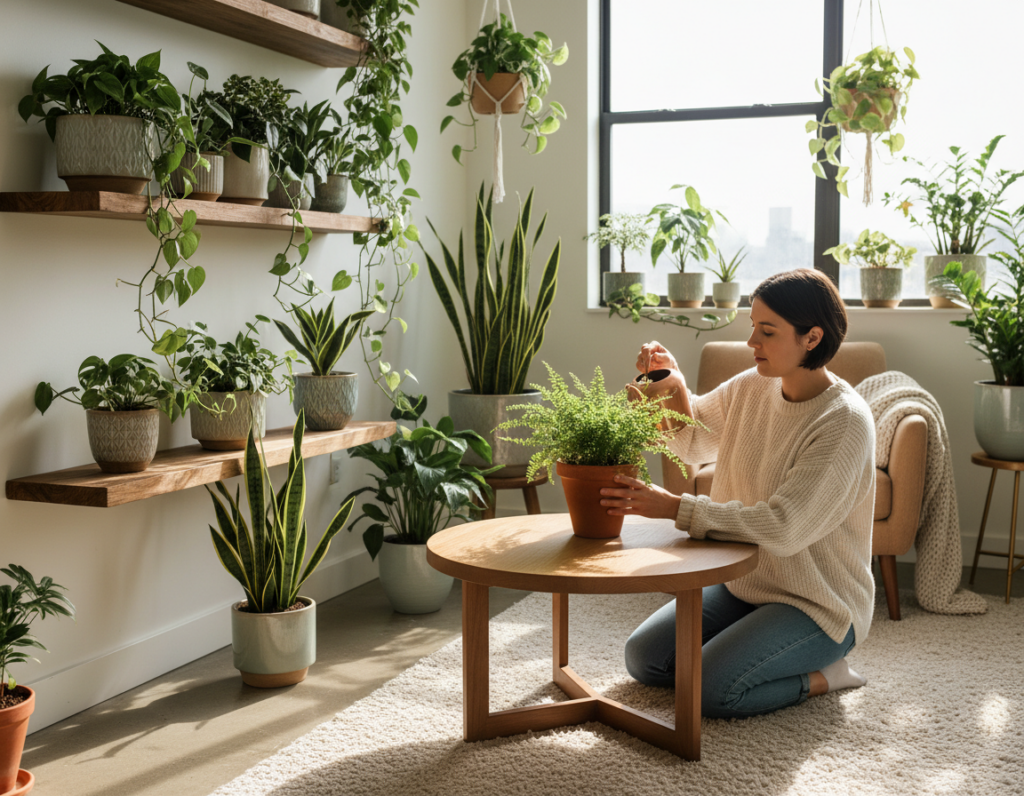
Rather than follow a strict schedule, the expert suggests watching each plant’s leaves and soil. Feel the top layer of soil and observe how a pot drains after watering.
Good plant care means adjusting routines by season and pot size. Too much water harms roots and invites pests and rot, while too little causes stress.
With steady observation and simple checks, one can build a sustainable plan that keeps small collections healthy year round.
Understanding Why Your Plants Need Water
Water makes up the bulk of a plant’s tissues and drives the processes that sustain growth. About 80%–95% of a living specimen is H2O, which powers photosynthesis and moves nutrients from the soil into stems and leaves.
Transpiration moves moisture from the root system through the stem and out the foliage. That flow carries dissolved minerals and keeps cell walls firm. When a plant needs water, drooping leaves are a clear signal that turgor pressure has fallen.
Healthy root health means effective uptake. If the root zone dries, overall vitality falls and growth stalls. Regular observation of soil and leaf condition helps spot stress early.
- Moisture keeps structure: cells stay turgid and foliage upright.
- Transport and photosynthesis depend on steady hydration.
- Monitoring use lets one adapt watering and plant care for each species.
Variables That Influence How Often to Water Indoor Apartment Plants
A living plant’s moisture cycle depends on its environment, the vessel it occupies and the soil beneath its roots. These factors work together and change how much attention each specimen needs.
Environmental Factors
Light and temperature drive evaporation and transpiration. Bright, warm rooms make soil dry faster, especially in summer.
Some species such as Monstera show rapid growth and may need water weekly. By contrast, a 5-foot Snake Plant in a large pot usually requires watering monthly in summer and every two months in winter.
Pot Size and Material
Smaller pots hold less potting soil and will dry sooner. Terra cotta breathes; plastic retains moisture longer.
When using pots without drainage, exercise caution—excess moisture can linger around roots and harm the plant.
Soil Composition
Potting mix and potting soil control retention and drainage. A chunky potting mix suits succulents and grants quick drying.
Regularly check soil dampness with a finger or a moisture meter. This simple step beats following a fixed watering schedule and helps tailor plant care for each specimen.
- Tip: Observe growth and adjust between winter and summer.
- Tip: Use the soil test before you add more water.
Essential Techniques for Proper Soil Hydration
A careful, even soak around a plant’s base gives roots the consistent moisture they need.
Good surface saturation prevents dry pockets in the mix. Watering evenly around the stem ensures the entire root ball receives moisture rather than one trench of damp soil.
Top Versus Bottom Soaking
Top watering uses a narrow-spout can aimed at the potting mix. This directs liquid into the soil and keeps the leaves dry.
Bottom soaking lets a pot sit in a shallow tray for 10–15 minutes so the roots draw up moisture. It is useful when the soil dry condition persists near the base of larger pots.
- Use room temperature water to avoid shocking roots.
- Saturate the potting mix evenly; do not pour in a single spot.
- For pots with drainage, stop when excess flows from the holes.
- Avoid splashing on leaves; wet foliage can invite fungi in still rooms.
Tip: Always check soil before each session to prevent giving much water unnecessarily. Routine checks help match hydration to pot size and the specimen’s needs.
Adjusting Your Watering Routine by Season
Seasonal shifts change how quickly soil loses moisture and when a plant needs attention.
During summer, increased light and warmth speed growth. Many specimens will need more frequent moisture checks and may require liquid every week. A 6-inch Pink Aglaonema, for example, typically needs hydration every 7–9 days in warm months.
In winter, growth slows and the same plant often needs moisture only about every 14 days. Dormant periods lower root uptake, so reduce the amount and frequency of your sessions.
Leaves that droop signal a need for liquid, but always confirm by testing the soil first. Succulents store moisture in thick foliage and usually need very little care during darker months.
- Watch evaporation from the soil and tailor a simple watering schedule.
- Adjust by pot size, light and room warmth to avoid overwatering.
- Goal: steady growth without soggy roots.
Identifying Signs of Overwatering and Underwatering
Visible changes in foliage and pot moisture are the fastest clues that a specimen needs attention. Early detection helps prevent long-term damage to roots and recovery is usually simpler with prompt action.
Recognizing Root Rot
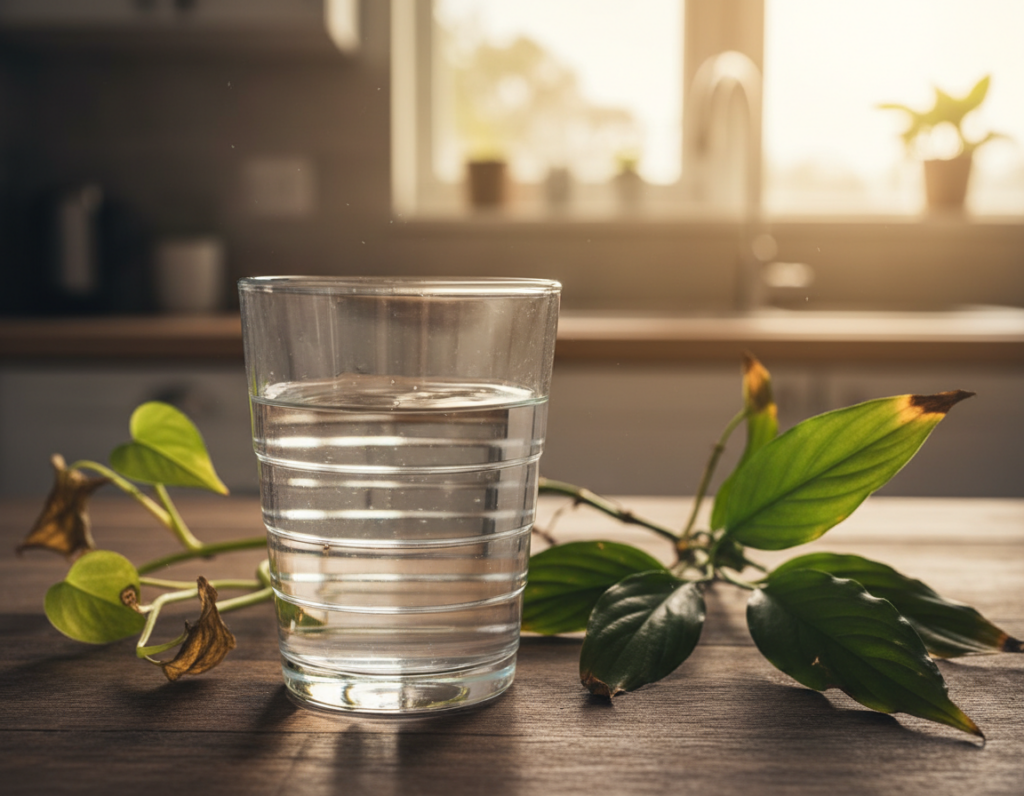
Overwatering causes roots to be waterlogged and oxygen-poor. When this happens, leaves may yellow or become mushy. That is a classic sign that root rot may be developing.
Make sure they inspect the root ball if rot is suspected. Damaged roots look dark, soft, and may give off a foul odor. Treat severe cases by trimming decayed roots and repotting into fresh, dry potting mix.
Addressing Dehydration
Underwatering shows as dry, wrinkled leaves and soil that has pulled away from the pot edge. Brittle foliage that feels crisp means the plant water supply is low.
Recovery from dehydration is usually easier than from root rot. Always check deeper soil before adding more water; the surface can seem dry while roots remain saturated in the potting mix.
“It is better to check the soil depth than to guess—early checks save roots.”
- Yellow, mushy leaves: suspect root rot.
- Dry, wrinkled leaves: signs of dehydration.
- Winter increases root rot risk because soil stays wet longer.
For a full guide on spotting these issues, see identifying overwatering vs underwatering.
Managing Plant Care While You Are Away
Leaving town need not mean leaving your greenery at risk; simple steps can keep them stable for days.
Most healthy specimens tolerate absence between 7 and 24 days, depending on pot size, species and room conditions.
For short trips, place self-watering spikes or globes in each pot. These devices release a steady trickle that suits many common species.
Group pots together to create a humid microclimate. Clustering slows evaporation and helps leaves retain moisture during a warm summer or dry winter.
Succulents usually endure a week or more without extra care. For longer absences, ask a friend to check every week or use a bathtub with a shallow layer of water for many pots.
- Avoid heavy soaking right before you leave; soggy soil can invite root issues.
- Choose devices and routines that match pot size: larger pots hold moisture longer.
- For more tips on keeping your collection healthy during travel, see tips to help your plants survive your.
“Prepare, group, and use simple aids — that combination keeps foliage stable while away.”
Conclusion
Success with house greenery comes from learning each species’ habits and adjusting routines accordingly.
Every specimen sends cues when it will need water. Read leaves and test the soil before you add any liquid. This prevents overfilling the root zone and cuts risk of rot.
Good plant care means watching seasonal shifts and matching action with need. A short check of the pot tells whether a plant needs water or can wait. Over time, reading those signals makes watering houseplants feel natural and confident.
With simple observation and steady habit, indoor plants stay vibrant for years. Focus on each specimen and the rest becomes routine.