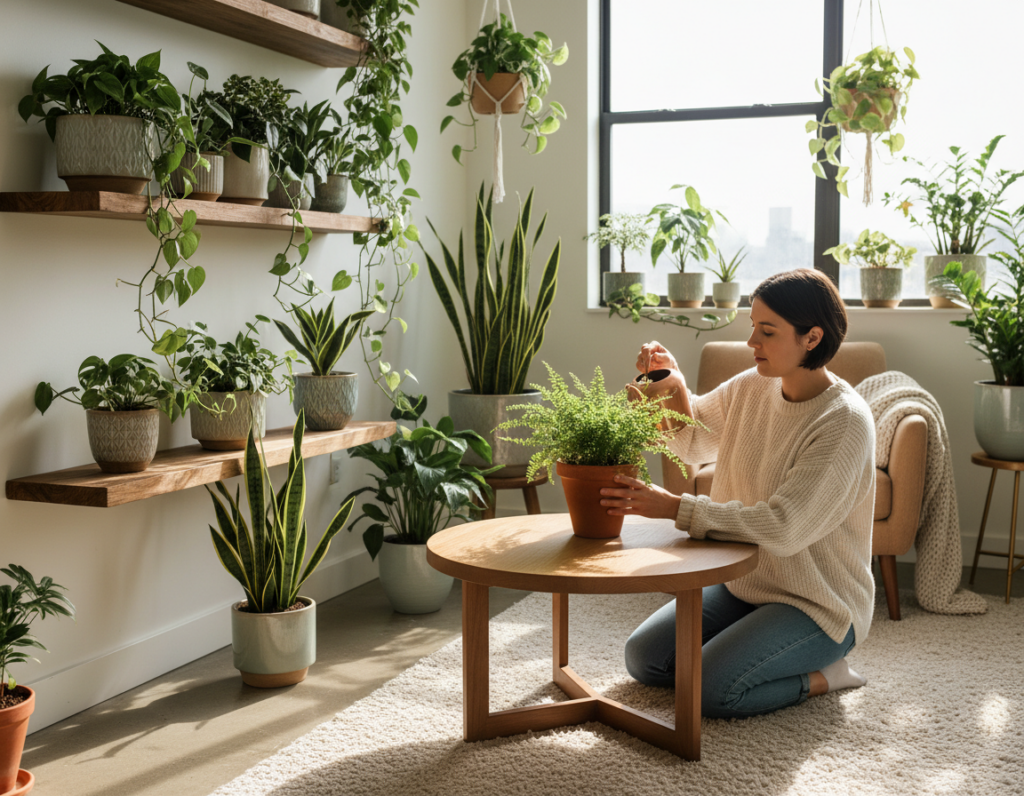
Simple, consistent steps keep a home full of greenery healthy year-round. The author tends a collection of 30-something plants that has thrived for over 12 years. A fiddle leaf fig in that group reached about four feet tall in a typical living room.
Consistency matters: a weekly plan helps spot early issues like root shock, pests, or foliage discoloration. Good drainage holes in every pot stop water from pooling at the bottom. A quality soil mix with perlite gives roots air and steady moisture.
Monitoring light levels and humidity lets one adjust water and fertilizer during active growth months. Watching leaves for spider mites and other pests makes control easier and less toxic. These small steps save time and often beat the demands of a big outdoor garden.
Understanding Your Indoor Plant Care Routine
A home’s greenery depends on the owner’s attention to soil, roots, and airflow to thrive. This responsibility means people control every factor that affects growth, from light to watering schedules.
Good soil gives roots the balance of aeration and moisture they need. A properly sized pot lets roots expand without becoming root-bound and stunting growth.
Observe houseplants often. Wilting leaves usually signal a need for more water or a change in light. Note how foliage responds after moving a pot to a brighter window for a few days.
- Match habitat: learn where each species came from and mimic those conditions.
- Keep air moving around leaves to prevent dust buildup that blocks light and breathing.
- Spend a little time each week checking soil moisture and the pot’s drainage.
“Consistent attention beats occasional overhauls — small acts over time keep houseplants vibrant.”
Selecting Plants That Match Your Home Environment
Picking the right species for a home’s conditions prevents most early problems before they start. This reduces time spent troubleshooting and keeps foliage healthy.
Assessing Natural Light
Measure how much light each spot receives across a day. South- and west-facing windows give bright sun, while north-facing spots usually suit low light types.
Check tags on new purchases. They list light and water needs so the houseplant matches its new home.
Managing Temperature and Drafts
Avoid placing a pot near heater vents or drafty windows. Rapid swings in temperature stress roots and brown leaves can appear fast.
- Humidity: bathrooms and kitchens often support tropical species.
- Soil: choose a well-draining mix to stop roots from sitting in water.
- Cacti: reserve the brightest window for desert types that need high light.
“Match the species to its spot and most problems never start.”
For more on matching species to home conditions, consult the care and selection guide.
Mastering Light Requirements for Healthy Growth
Balancing daily light exposure helps plants build strength without burning or stretching. Photosynthesis is the engine of growth, so adequate brightness is essential for healthy leaves and steady development.
Most houseplants need a night period: avoid more than 16 hours of light per day. Too much exposure causes scorched or bleached leaf edges. Too little light makes stems leggy as growth reaches for brighter spots.
When natural sunshine is limited, use LED grow lights to supply the proper spectrum. Rotate houseplants every week so all sides receive even light and balanced growth.
- Photosynthesis: light gives energy so tissue and root systems develop well.
- Low light: select species that tolerate dimmer rooms, but expect slower growth.
- High-intensity lights: ensure good air circulation to prevent overheating in small spaces.
“Proper light levels are the foundation of healthy growth and fewer problems later.”
The Importance of Proper Drainage and Pot Selection
A pot that drains well and a loose soil mix make the difference between steady growth and frequent problems. Drainage holes are the most critical feature of any container because they let excess water escape and prevent root rot.
Creative Solutions for Pots Without Holes
Decorative pots need not be risky. A smaller plastic nursery pot placed inside a decorative outer pot provides a simple, effective way to secure drainage while keeping the look intact.
- Use a well-draining soil mix with perlite or pumice to improve air flow through the medium.
- Drill ceramic or terracotta with a proper bit to add holes to a favorite vessel.
- When watering, check that water exits the bottom; this confirms the entire root ball is hydrated.
- Manage humidity by setting pots on a tray of pebbles so leaves stay above standing water.
“Choosing the right pot and mix reduces problems and keeps houseplants vigorous.”
Choosing the Right Soil Mix for Your Houseplants
A well-structured mix gives roots oxygen, holds moisture where needed, and drains the rest. This foundation helps plants develop strong roots and healthy leaves.
Use a standard potting mix for most houseplants, but amend it with perlite to improve aeration and drainage. Perlite lightens the medium so water moves freely and roots breathe.
Cacti need a fast-draining, sandy mix that mimics desert ground. Never scoop soil from the garden; outdoor soil can bring pests and pathogens into the home collection.
- Match the soil type to moisture needs — some species like to stay drier, others prefer steady dampness.
- Proper structure lets water reach root zones without leaving the pot waterlogged.
- Refresh the mix when repotting so the houseplant gets fresh nutrients and better texture.
“Choosing a high-quality mix reduces problems and gives plants the conditions to thrive year-round.”
Establishing a Consistent Watering Schedule
A predictable schedule for watering removes guesswork and protects sensitive roots. A short, steady plan helps prevent overwatering, the most common cause of loss in houseplants.
Test soil moisture by pushing a finger about 2 inches into the mix of a 6-inch pot. If the top two inches feel dry, the plant usually needs water. If damp, wait and check again in a few days.
Testing Soil Moisture
Use this simple tactile check rather than a strict calendar. Pots vary by size, light, and root demand. A finger test tells whether the soil and roots actually need hydration.
Using Room Temperature Water
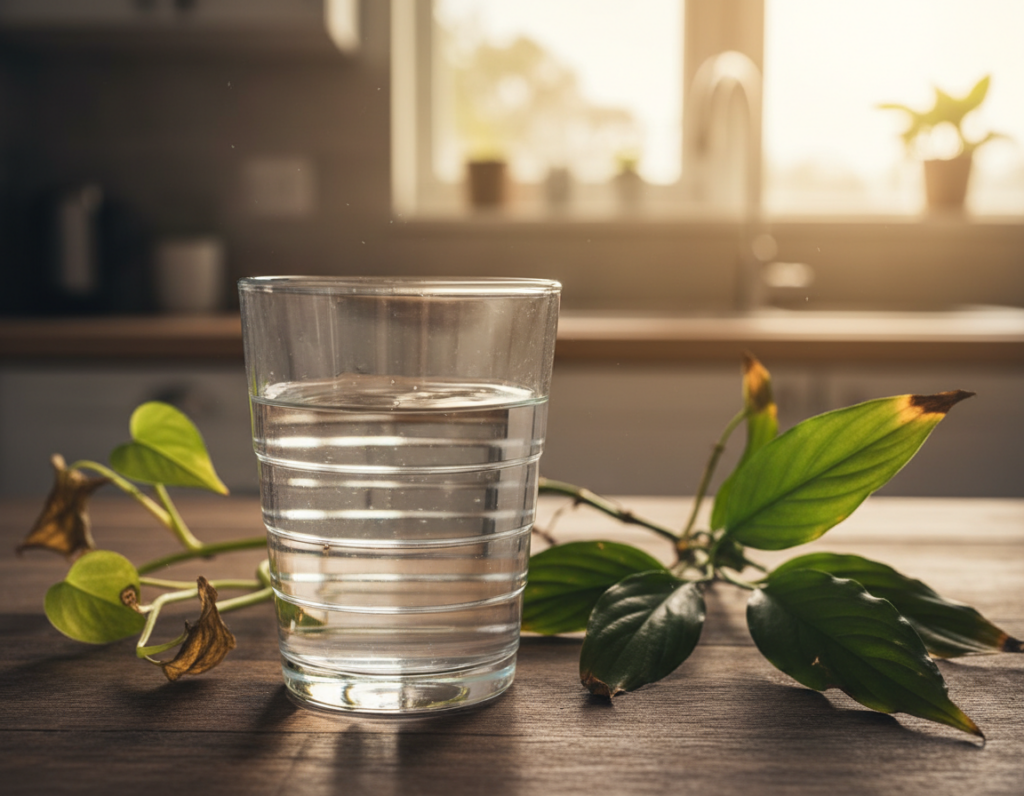
Always water with water at room temperature to avoid thermal shock to roots. Pour slowly until water runs from the bottom through the drainage holes.
- Soak the entire pot if the mix is very dry so moisture reaches the whole root ball.
- Group plants to raise local humidity and reduce evaporation from leaves.
- Use a soil mix with perlite to balance drainage and water retention.
“A steady watering habit keeps roots strong and leaves resilient.”
Managing Humidity Levels for Tropical Varieties
Keeping a higher ambient moisture level helps shield wide-leaved species from winter stress. Tropical houseplants often come from rainforests where the air stays humid and warm.
Increase local humidity with a humidifier or by grouping houseplants together to form a small microclimate. A tray of pebbles with water under a pot raises moisture near the leaves; ensure the bottom of the pot does not sit in the water to avoid root rot.
- Wipe large leaves regularly so they can exchange air and light freely.
- Monitor soil moisture and room humidity with a simple hygrometer.
- Keep good drainage and a loose mix so extra water drains away even when humidity is high.
“Higher humidity helps tropical varieties keep glossy foliage and steady growth.”
Balanced humidity, proper light, and careful watering combine to keep these species lush year-round.
Fertilizing Strategies for Active Growth Periods
A timely feeding schedule fuels strong foliage and steady root development through spring and summer. Apply nutrients when growth speeds up, and match fertilizer timing to the extra light and warmth of those months.
Use a balanced 10-10-10 fertilizer to support leafy growth and robust roots for most common houseplants. Follow package directions carefully to avoid excess salts building up in the soil and harming the root system.
Avoiding Overfertilization
Less is safer than more. Overfertilizing causes salt buildup that burns roots and stunts growth. If excess occurs, flush the pot with plenty of water until drainage runs clear to remove residual salts.
- Fertilize mainly in spring and summer months when growth is active.
- Reduce or stop feeding in winter when many species enter dormancy.
- Always follow label rates; never exceed recommended amounts for a given houseplant.
“Regular monitoring and modest feeding keep leaves glossy, roots healthy, and pests easier to manage.”
For details on timing and methods, see how and when to feed.
Cleaning Foliage to Support Photosynthesis
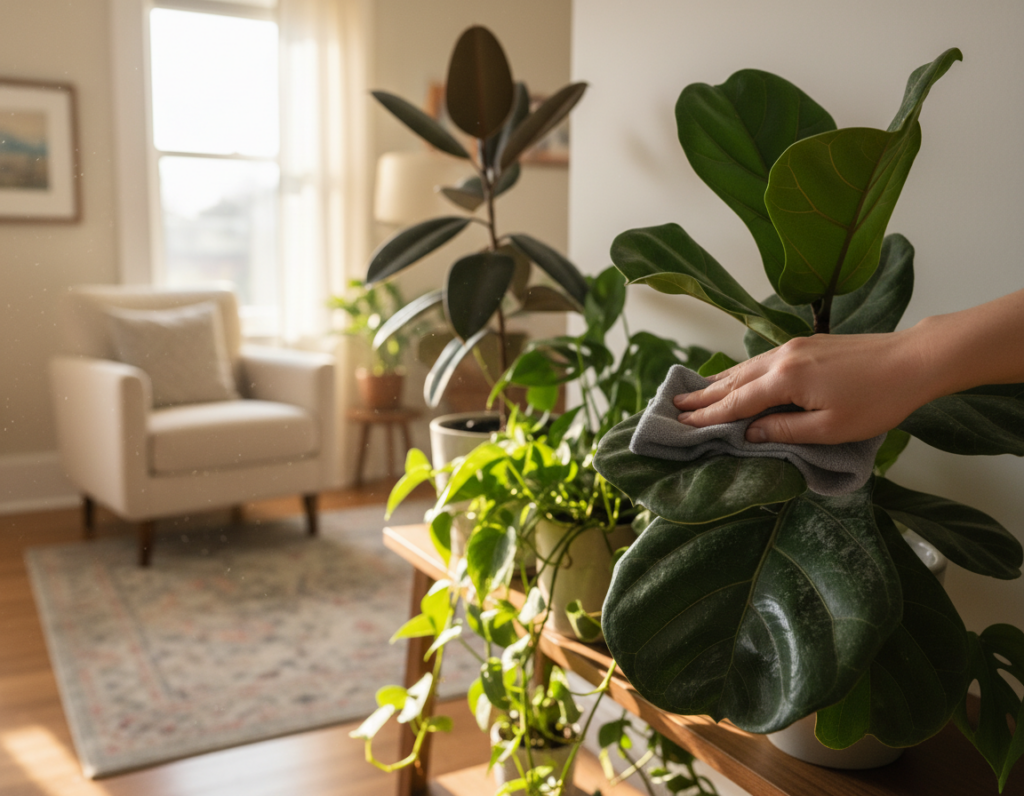
Dirty leaves act like sunglasses—blocking the light plants need to thrive. Dust builds up quickly and lowers photosynthesis. Regular cleaning restores the leaf surface so the green tissue can do its work.
Gently wipe broad leaves with a soft, damp cloth. Use a soft-bristled brush for fuzzy or textured foliage to avoid damage.
Cleaning also helps spot pests early. A quick glance during a wipe can reveal scale, mites, or tiny eggs before an infestation spreads.
- Wipe leaves every two weeks in dusty homes.
- Rinse heavily soiled houseplants under a gentle shower when soil allows.
- Keep good air flow around pots to reduce dust settling and improve gas exchange.
Clean leaves absorb light better and use water and nutrients more efficiently. A tidy houseplant looks healthier and grows more steadily.
“A weekly polish keeps foliage functional and makes problems easier to spot.”
Pruning Techniques for Fuller Growth
Regular pruning reshapes foliage and invites stronger, denser shoots near each cut. Use sharp, clean pruners and make cuts just above a leaf node so new stems form quickly. This creates a fuller silhouette and steadier growth.
Remove yellowing or dead leaves to let the specimen redirect energy to healthy shoots and root development. Follow the one-third rule and never remove more than a third of total foliage at once to avoid stress.
- Make clean cuts: trim above nodes to trigger branching.
- Propagate cuttings: use healthy clippings to expand a collection for free.
- Hanging specimens: prune to control length and use ceiling hooks rated for up to 35 pounds when mounting heavy trailing plants.
- Watch soil and light: trimmed specimens respond faster when given steady light and moderate water.
“Regular, careful pruning keeps houseplants compact, vigorous, and visually appealing.”
Seasonal Adjustments for Winter Care
As daylight drops and heaters run, modify placement and moisture to keep foliage steady until spring.
Move houseplants closer to a bright window or add full-spectrum lights for short days. Position pots so all sides receive light over a few weeks to avoid leggy growth.
Reduce watering frequency. Cooler temperatures slow growth, so soil stays damp longer and roots need less water. Use a finger test to check the top two inches before watering.
Avoid fertilizers during colder months; most species enter a semi-dormant phase and excess nutrients can harm roots. Protect specimens from drafts near doors and single-pane windows.
Raise humidity with a small humidifier or group pots together to create a moister microclimate. Check leaves often for pests; warm, dry air can encourage infestations.
“Simple seasonal adjustments keep houseplants healthy through winter and ready for vigorous spring growth.”
- Tip: Move cacti to the brightest spot; they tolerate cooler, drier conditions.
- Tip: Trim dead leaves and pause heavy watering for a few months.
- Tip: Monitor soil and air to match each species’ needs.
Identifying and Treating Common Pests
Spotting tiny signs of infestation quickly prevents small problems from becoming major losses. Regular checks save time and protect the whole collection.
Preventing Spider Mites
Spider mites thrive in warm, dry conditions and often hide on the undersides of leaves. Increase local humidity and gently mist foliage to discourage them.
Inspect the bottom of leaves for fine webbing and tiny dots. If found, isolate the affected plant and spray with an approved insecticidal soap or neem oil, repeating every 7–10 days until clear.
Dealing with Fungus Gnats
Fungus gnats signal overly wet soil and poor drainage. Let the top mix dry between waterings to break the gnat life cycle.
Use yellow sticky traps to reduce flying adults and consider a layer of sand or fine grit on the soil surface to block larvae from emerging. For severe infestations, a biological control like Bacillus thuringiensis israelensis (BTI) targets larvae in the soil.
Quarantine for New Plants
Always isolate new plants for at least a week before adding them to the main group. This practice prevents unwanted pests from spreading to established houseplants.
If an issue appears, keep the specimen apart and treat with targeted measures. Consistent monitoring and prompt action keep growth steady and roots healthy.
Quick tip: Inspect soil surface and leaf undersides weekly; early detection makes treatment easier and less toxic.
Repotting Tips for Root-Bound Plants
Repotting a root-bound specimen resets growth and gives roots room to explore fresh soil. This simple step supports stronger foliage and steadier development over the coming year.
Begin gently. Ease the root ball from the old pot and tease the roots loose so they can penetrate the new mix. If roots appear at the bottom or through drainage holes, it is time to move to a larger pot.
- Choose a pot about 2 inches wider in diameter to prevent soggy soil and overwatering.
- Make several 1/2-inch-deep cuts from top to bottom of the root ball to reduce transplant shock and encourage fresh roots.
- Use a high-quality potting mix and confirm the new pot has holes at the bottom for proper drainage.
- Check for pests while repotting and refresh the media so the plant starts with clean, nutritious soil.
“Repot carefully and give roots space — healthy roots make healthy plants.”
Conclusion
Small, regular checks make a big difference in how well plants perform over time. A consistent plan helps spot pests on new plants and prevents most problems before they spread.
Remember: plants need the right balance of light, water, and soil to stay strong. When space has low light, choose species that tolerate dimmer spots. Always check soil moisture before you water plants to avoid overdoing it.
With steady attention and a few simple habits, houseplants stay vibrant and add daily freshness to a home. Follow these expert steps and enjoy fewer surprises and more success.