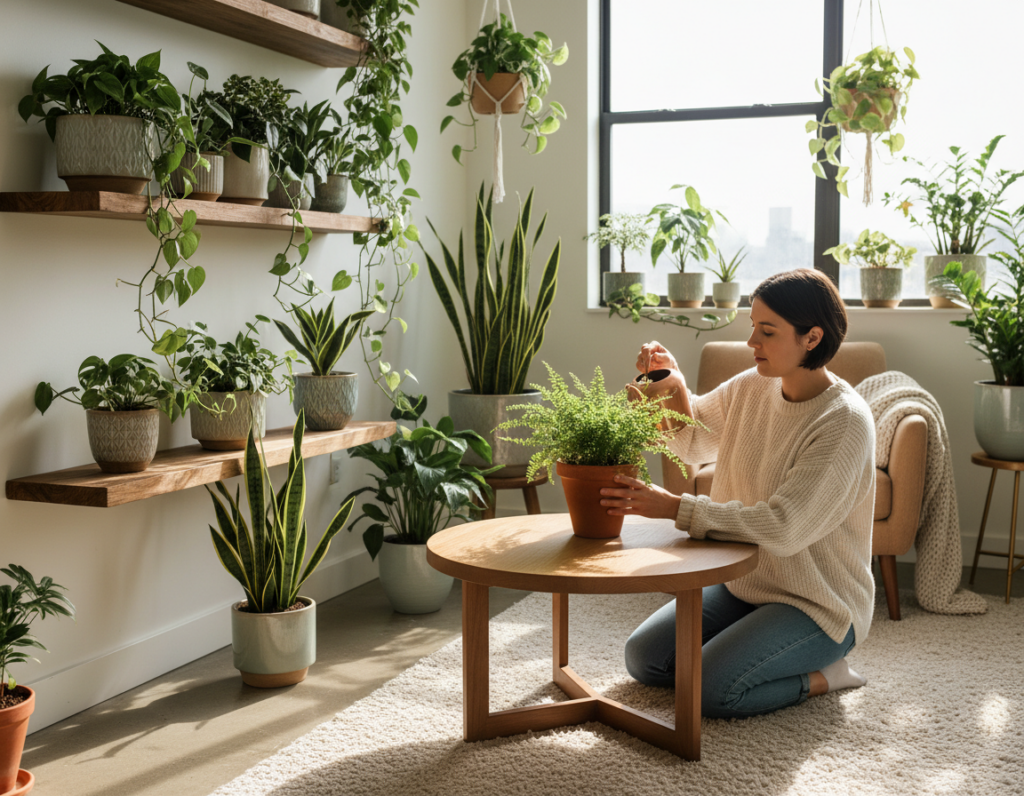
Houseplants depend entirely on their owners for light, water, and soil balance, a point Anne Balogh often stresses. A short, regular routine makes a big difference in overall growth and vigor.
Daily checks only take a few minutes. They help spot leaf discoloration, damp soil, or crowded roots. Small actions prevent root rot and nutrient loss over months.
Consistent care means placing each plant where light suits it, using the right pot and fresh soil, and watching humidity and air flow in the home. This simple way reduces stress on foliage and speeds recovery when issues appear.
By committing a little time every day, anyone can create a steady routine for watering, trimming, and monitoring. These practical tips fit apartment life and help houseplants thrive all year.
Assessing Your Indoor Environment
Start by mapping light and space across rooms before bringing new additions into the home. A short survey of windows, shelf space, and floor area helps match each spot with the right species.
Evaluate natural light. Note which exposures get direct sun and which remain shaded. Some succulents want bright sun, while many houseplants do better in low light corners. Place specimens where their needs match the available light.
Check air and humidity. Dry, circulated air limits choices. Higher humidity and stable temperatures support tropical types. If conditions are dry, select tougher varieties instead.
“Assess space and lighting before selecting greenery,” suggests Ferry-Morse.
- Pick a container that allows roots room for growth and encourages proper drainage.
- Use a suitable soil mix for each type to promote steady growth.
- Read plant tags for specific care notes that match your home’s conditions.
How to Keep Indoor Plants Healthy Through Proper Watering
A quick soil probe reveals whether a pot needs moisture or rest. He or she can use a finger as a simple moisture meter by poking into the top 1–2 inches of soil. This tells if it is time for a measured amount of water.
Drainage matters. Always confirm excess water flows out of the holes at the bottom of the pot. Standing water invites root rot and nutrient loss.
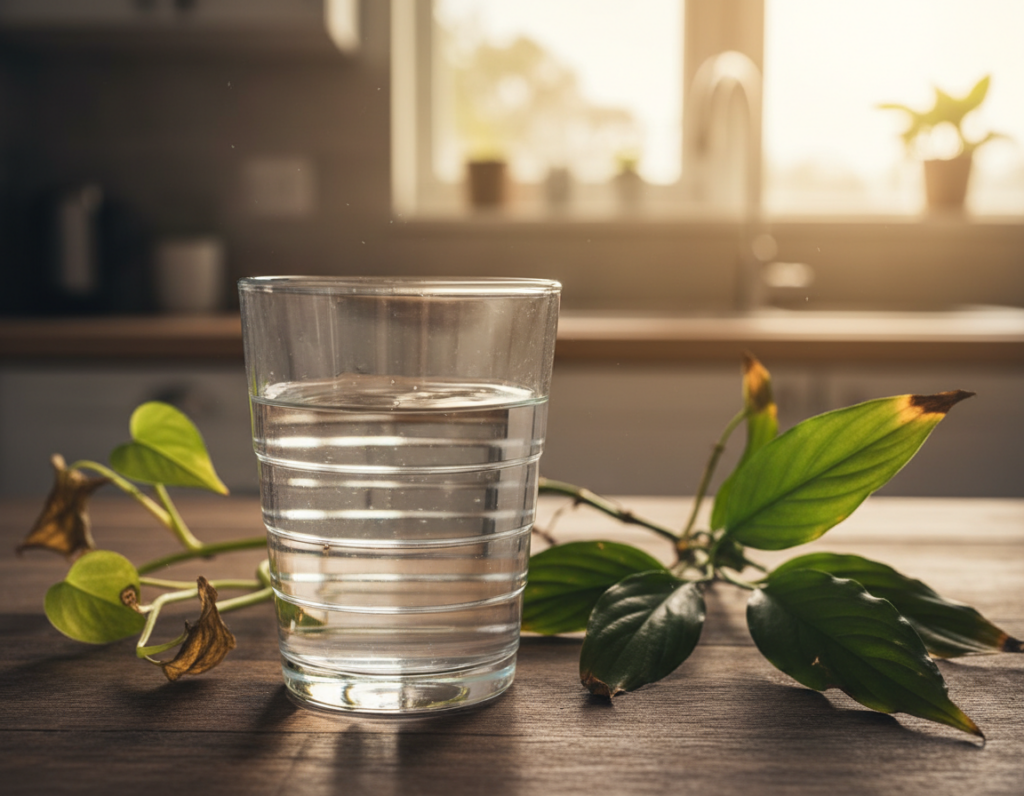
Set a weekly check on a calendar or phone. Many gardeners avoid overwatering by inspecting at the same time each week. Room-temperature water is best; cold water can shock roots.
- Wilting leaves may mean thirst or too much direct light near a window.
- Group pots to raise humidity and slow moisture loss.
- When unsure, follow expert advice on how to water indoor plants wisely.
“Use your finger as a moisture gauge and prioritize drainage,” suggests experienced gardeners.
Selecting the Right Potting Mix and Containers
A well-balanced potting mix gives roots room to breathe and absorb nutrients. This balance blends aeration and moisture-holding capacity so soil does not stay soggy or bone dry.
The importance of drainage cannot be overstated. Choose a container with a drainage hole at the bottom to prevent excess water from pooling and inviting root rot.
Ferry-Morse warns against adding field soil to pots. Field soil may carry pathogens and lacks proper nutrients for houseplants.
- Use a high-quality mix for steady air and moisture balance.
- If a pot lacks a hole, add a shallow layer of lava rocks to manage excess water.
- When repotting, pick a container only about two inches wider in diameter to avoid keeping the soil too wet.
“Match pot size and mix to each plant’s needs; succulents require faster-draining soil,” advises experts.
Optimizing Light Exposure for Vibrant Growth
Bright, balanced light is the single easiest change that sparks steady growth in many houseplants.
If a plant stops producing new shoots or looks leggy, move it closer to a window with more sunlight. They often recover quickly when given the correct amount of indirect light.
Rotate pots every week so leaves on all sides receive equal exposure. This prevents lopsided growth and reduces stress on roots.
For rooms with low light, LED grow lights provide reliable daylight during short winter days. Succulents and cacti still need the brightest spot available, while many tropical varieties prefer bright, indirect light.
- Place houseplants where light matches their needs; check leaf color for signs of too much sun.
- If foliage develops brown, dry edges, move the pot a bit further from direct sun.
- Monitor windows and adjust placement over time to support steady growth.
“A small change in exposure often returns fuller foliage and renewed vigor.”
Managing Humidity and Air Quality
Many tropical species show the strongest growth when humidity stays above forty percent. This threshold helps keep leaves plump and prevents dry edges.
Methods for increasing moisture
A compact humidifier placed near a group of houseplants raises room moisture quickly. A pebble tray works well when a humidifier is not practical. Fill a shallow tray with pebbles and add water so pots sit above the surface. Misting plants early in the day gives a short-term boost and reduces late-night dampness.
Avoiding drafts and vents
Avoid heater vents and drafty windows that blow dry air across pots. Sudden temperature swings stress roots and scorch foliage. Grouping plants creates a small microclimate and slows moisture loss, so they help one another hold humidity.
Realistic expectations: claims that houseplants clean room air significantly are overstated. Recent reviews note minimal purification in typical homes. Yet proper humidity and steady care still make a clear difference in appearance and vigor.
Essential Fertilization Routines
A simple feeding routine each spring and summer gives potted foliage the nutrients it needs. Feeding during active growth supports leaf production and stronger stems without stressing dormant roots in colder months.
Follow label directions. Overfertilizing can cause salt buildup in the soil and burn roots. If a crusty ring appears at the soil line, that is a clear sign of excess minerals.
Flush the mix every four to six months by running water through the pot until excess water drains from the bottom pot. This leaching step removes accumulated salts and restores balance for steady growth.
- Feed most houseplants in spring and summer, then pause during winter dormancy.
- Use a balanced fertilizer near an NPK of 3-1-2 for general use.
- If overfertilized, give a thorough watering to flush excess water and salts from the soil mix.
“A regular, moderate schedule prevents nutrient swings and protects fragile root systems.”
Cleaning and Grooming Techniques
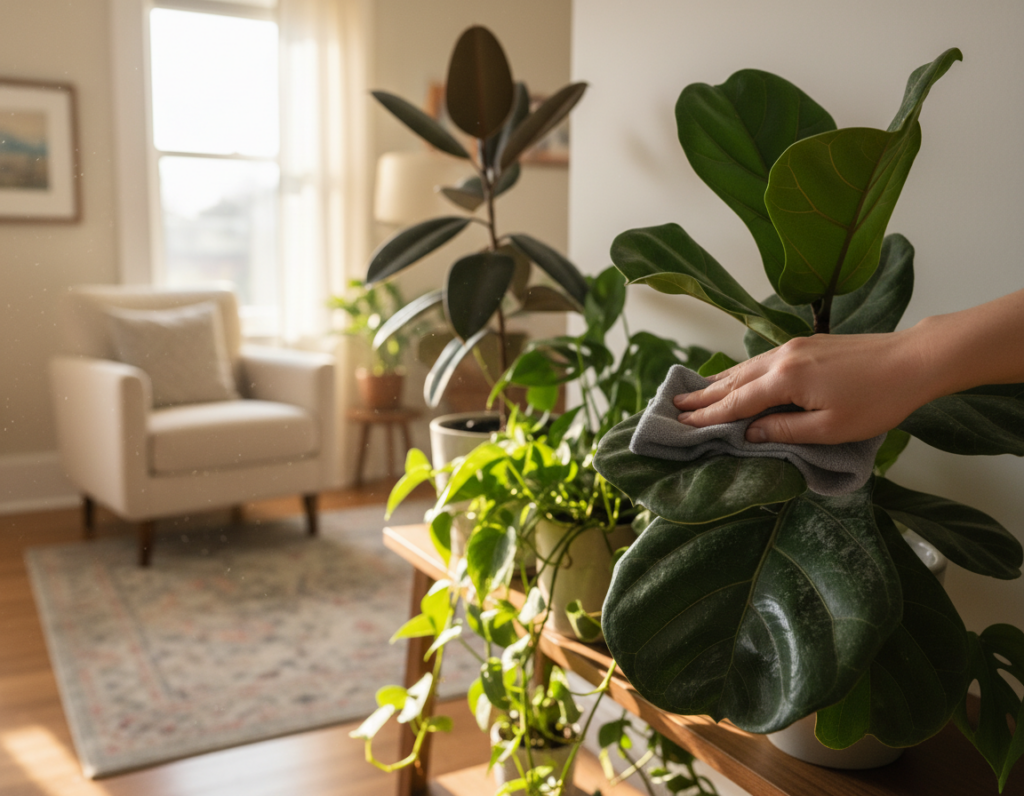
Small grooming habits make a big difference in leaf color and overall vigor. Dust blocks light and slows photosynthesis, so routine cleaning pays off quickly.
Pruning encourages fuller growth without shocking the specimen. Follow the one-third rule: remove no more than one third of a stem at a time. That limits stress and promotes denser branching.
Pruning for Fuller Growth
- Wipe leaves with a damp cloth or give a gentle shower to remove dust and restore light absorption.
- Use sharp hand pruners and cut just above a leaf node at a 45-degree angle to reduce moisture pooling.
- For fuzzy foliage, such as African violets, use a soft-bristled paintbrush to clear debris without damage.
- Regular grooming reveals pests early and allows removal of yellow or diseased foliage, protecting roots and soil balance.
“Prune lightly and inspect often; small, steady care preserves form and vigor.”
Monitoring for Pests and Disease
A simple leaf-by-leaf scan often reveals pests hiding on undersides and stem joints. Frequent checks give the best chance of stopping an outbreak before it spreads through a collection.
Quarantine new arrivals for a few days and inspect them closely. This prevents unseen insects or eggs from moving into the rest of the home.
If an infestation appears, isolate the affected pot immediately. Removing contact with other houseplants slows movement and limits damage.
- Look under leaves for spider mites and egg clusters each week.
- Use a 4-in-1 meter to watch soil moisture and light levels; these factors help prevent root rot and disease.
- Try a Katchy trap for persistent fungus gnats in an indoor garden.
- Use apps like Picture This when identification or treatment tips are needed.
“Early, routine inspection saves time and protects growth.”
Stay vigilant. Regular observation, correct watering, good drainage, and balanced light are the best defenses against pests and disease in houseplants.
Conclusion
By following simple, steady routines, a collection will reward attention with lasting color and calm in the home.
A steady routine of simple checks yields far better results than occasional big fixes. Small steps—right light placement, measured water, and fresh soil when needed—add up over months.
They should prune and watch for pests, and monitor humidity for fussy species. Observing each houseplant’s cues helps a plant adjust as seasons shift.
Consistent care houseplants routines make maintenance less work and more pleasure. With that approach, apartment greenery stays vibrant and resilient much longer.