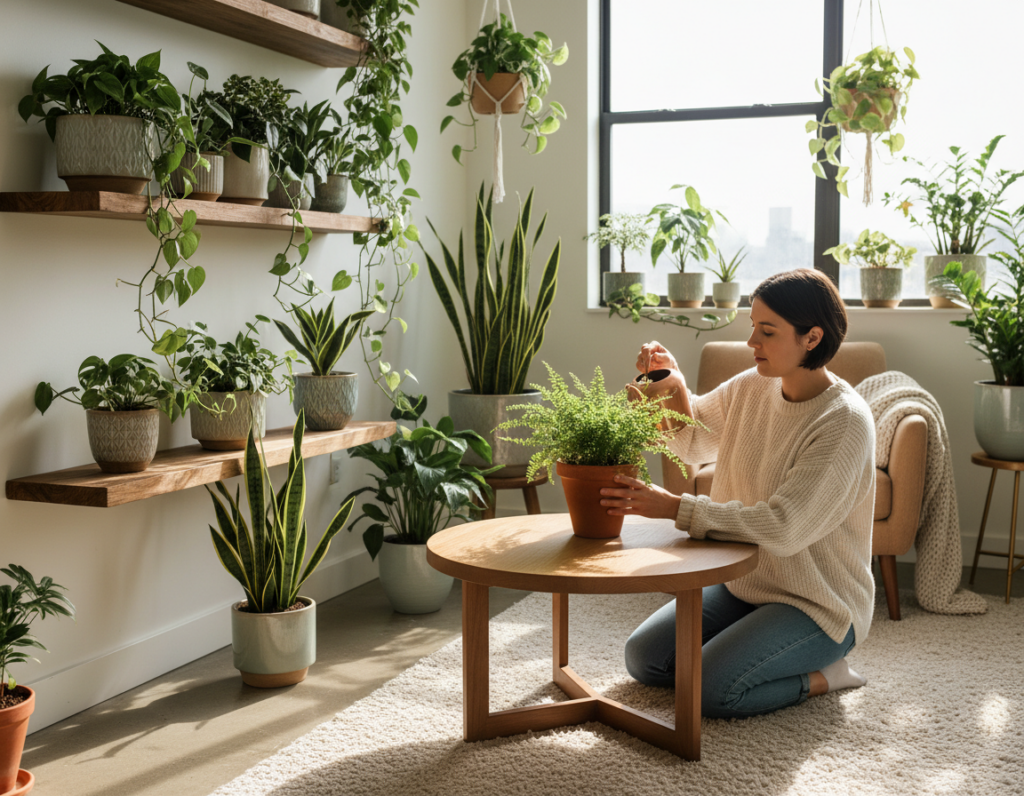
Dust and sticky residue on foliage can block light and slow photosynthesis. When pores are clogged, a green specimen cannot exchange gases efficiently. That reduces vigor and stalls growth.
Keeping a tidy home garden helps each specimen perform at its best. Regular attention to foliage is a key part of simple plant care. It also makes spotting pests and other issues easier before they become serious.
Removing grime lets leaves breathe and restore proper moisture exchange. Healthy greenery looks fresh year-round and supports a vibrant living space.
For practical, step-by-step guidance on how to keep foliage bright and clear, see this helpful guide: clean houseplant leaves easily.
Why Your Indoor Plants Need a Regular Cleaning
A regular wipe-down helps each houseplant capture more light and stay vigorous. Dust and mineral build-up dull foliage and block pores. That limits photosynthesis and slows growth.
Improving Photosynthesis
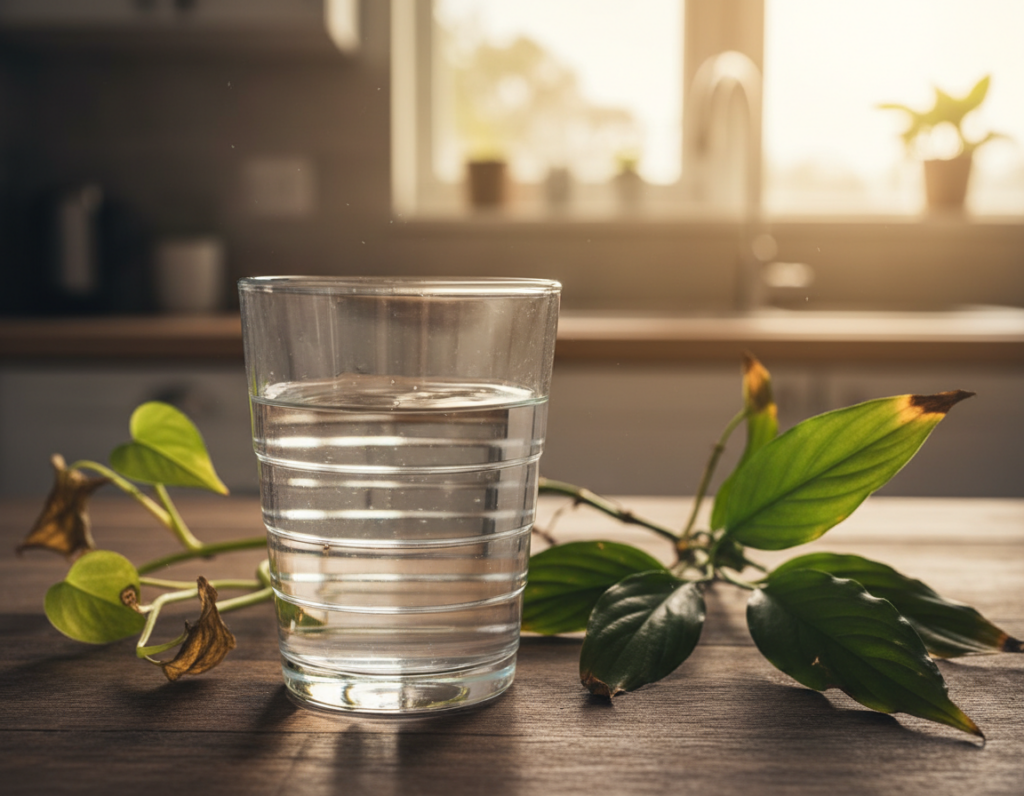
Keeping three peperomias free of grime illustrates the point: clear plant leaves absorb light better and respire efficiently. Hard water can leave white spots that cut light transmission, so a deeper rinse may be the best method sometimes.
Detecting Pests Early
Regular inspection helps spot mealybugs or aphids before they spread. These pests secrete sticky residue that stains foliage and invites disease.
- Make sure to treat each houseplant as decor that needs routine care.
- Natural products like neem oil add gentle leaf shine and can reduce fungal risk.
- Simple tools — a soft cloth and mild soap or water — save time and protect health.
Essential Tools for Cleaning Leaves on Indoor Plants
The right kit prevents accidental damage while restoring natural leaf shine. A soft cloth is ideal for wiping larger foliage. It removes dust without scratching the surface.
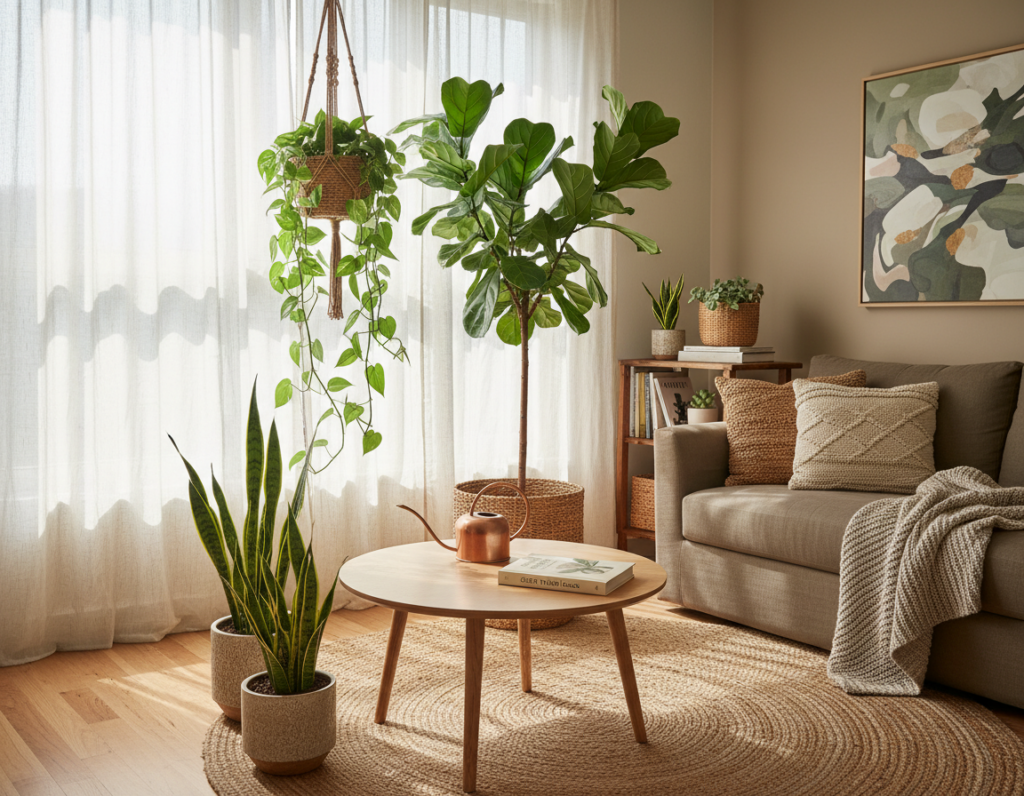
For tall specimens like a 7-foot Dracaena Lisa, a 6-foot ladder or a telescoping duster makes reaching the upper tiers safe and easy. A high-quality duster also helps maintain a gentle, natural gloss.
- Spray bottle: Mix 1/4 to 1/2 cup white vinegar per 1/2 gallon lukewarm water for a reliable residue-busting mixture.
- Soap: Add 5–10 drops of non-toxic liquid soap to the mixture in the spray bottle for extra cleansing power.
- Support the pot: Always steady the pot with one hand to prevent tipping while tending each plant.
Tip: Use the soft cloth after misting to lift grime. Small tools and a steady approach keep specimens healthy and attractive.
Effective Techniques for Removing Dust and Residue
Gentle, targeted care brings back natural leaf shine without stress to the plant. Start with a soft approach and pick the method that fits the specimen and its pot.
Using a Dampened Microfiber Cloth
A damp microfiber cloth is the best way to wipe leaves without leaving water spots. Support each leaf with a free hand while wiping to avoid snapping stems.
The Shower Rinse Method
For sturdier specimens, a lukewarm shower with a detachable head works well. Make sure water is gentle and drain the pot so soil does not wash away.
Tip: In dry climates like the Sonoran Desert, a kitchen sink spray adds humidity briefly and helps rinse undersides where pests hide.
Applying Natural Soap Solutions
Mix a mild soap and water solution in a spray bottle to reach tight spots. Rinse thoroughly after use to remove residue and prevent pore clogging.
- Use neem oil sparingly as a follow-up if pests remain.
- Make sure to steady the pot with one hand while treating.
Tailoring Your Approach to Different Plant Varieties
Some varieties demand gentler methods to preserve delicate surfaces and fine hairs. For fuzzy species such as African Violets or Gloxinias, avoid a spray with solutions. A soft brush lifts dust from hair-like texture without marring the surface.
When treating fragile leaf types, use a soft, damp cloth and room-temperature water. Wipe each leaf while supporting its base with the other hand to prevent snapping.
Be cautious with vinegar mixes. Too strong or too frequent application can burn sensitive foliage. Likewise, skip heavy oils; they may clog pores and reduce respiration.
- Hairy foliage: brush gently; do not spray.
- Delicate leaf: damp cloth and steady support.
- Stubborn residue: mild soap rinse, then clear water.
Different species favor different methods. Research a specimen before trying a new way. This lowers stress and helps each plant thrive.
Common Mistakes That Can Damage Your Foliage
A few everyday errors turn helpful care into damage for a houseplant’s leaves. Never place wet specimens into direct midday sun; droplets can act like tiny lenses and burn the leaf surface.
Avoid commercial leaf shine products. Many of these products contain additives that clog pores and attract more dust over time.
Using oil-based products is a common mistake. Oil leaves a sticky film that traps dirt and makes future wipe leaves sessions harder.
Do not tend plants late at night. They shift into nighttime respiration and should be left undisturbed to function properly.
Make sure to rinse any soap water mixture thoroughly. Leftover residue can harm foliage, invite pests, and change soil chemistry.
- Use a 6-foot ladder when reaching tall specimens to avoid overextending and risking a fall.
- Don’t spray harsh solutions on delicate leaf types; test a small area first.
- When in doubt, the best way is a gentle method with lukewarm water and a soft cloth or duster.
Tip: Choose mild soap, dilute in a spray bottle if needed, and always steady the pot with one hand while working to protect both the plant and the gardener.
Conclusion
Regular attention brings clear results. A short habit of cleaning leaves and a quick inspection keeps a home garden healthy. This simple step helps plant leaves catch light and fight dust build-up.
Make it part of routine plant care. Use a gentle way and plain water or a mild mix. That protects tiny pores and supports steady growth.
Tip: A soft wipe restores natural shine and helps spot pests early. Healthy houseplants reward small efforts with lasting vigor.
Commit to these steps and the garden will look fresh, lively, and well tended all year.