Growing a healthy plant starts with clear attention to light, water, and temperatures. They need steady care every day to keep growth steady and to avoid common problems. A simple check of soil moisture and leaf color can reveal early trouble.
When a houseplant shows yellowing or browning leaves, it often points to poor soil or incorrect watering. Leaf drop and stunted growth are common outcomes of stress. Quick action on these issues can save roots and preserve flowers.
Knowing each plant’s needs for humidity, potting, and fertilizer helps prevent summer decline and pest damage. These small tips make a big difference in overall health. With steady checks and timely care, many problems can be fixed before they become permanent.
Identifying Common Signs Unhealthy Indoor Plants Exhibit
Quick checks help catch problems early. Small changes in color or firmness of a leaf can signal bigger root or watering troubles. This short guide highlights what to watch and how to act fast.
Foliage Discoloration and Wilting
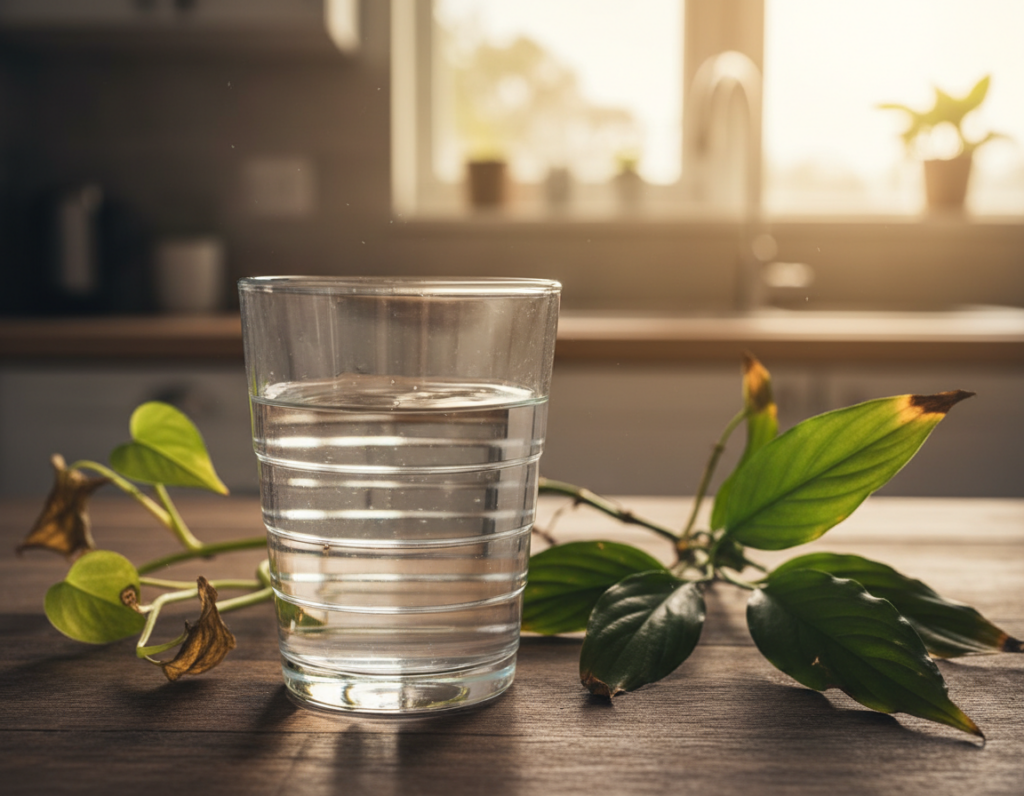
Yellowing or limp leaves often mean too much water or poor drainage in the pot. Brown edges may come from minerals in tap water; try letting water sit for 24 hours before watering the plant.
Tip: Use Miracle-Gro Indoor Potting Mix to improve soil drainage and lower the risk of gnats.
Structural Changes and Growth Issues
Spindly stems, slow growth, or sudden leaf drop point to low light or fluctuating temperatures. Moving a plant to brighter spots can restore steady growth.
Pests and Surface Abnormalities
Specks, webbing, or sticky residue are common pest alerts. Treat foliage with Ortho Insect, Mite & Disease 3-in-1 when spider mite damage appears.
- Watch leaves daily for new spots.
- Inspect soil and pot drainage to prevent root rot.
- Address fungus or bacteria early with appropriate fungicides.
Diagnosing Environmental Stressors and Cultural Issues
Environmental factors often explain gradual decline. Light levels, watering habits, and humidity are the three main elements that decide a plant’s day-to-day vigor. A quick check of each helps pinpoint the root cause.
The Role of Light, Water, and Humidity
Light: Many houseplants evolved under forest shade. Too much direct sun causes leaf scorch and faded edges. Move a specimen to a bright, indirect spot if leaves show burn.
Water: Inconsistent water or poor soil drainage stresses roots. Let soil dry to the proper depth between watering, and avoid constant sogginess to prevent root damage.
Humidity: Home air can be dry, especially in winter. Low humidity produces brown tips and leaf drop on sensitive houseplants. Raise humidity with a tray of water or a humidifier during colder months.
- Adjust light to encourage flower production and steady growth.
- Use well-draining potting soil and regular, moderate watering.
- Correct nutrient issues promptly to prevent yellowing and other problems.
Corrective Measures for Reviving Neglected Greenery
Small interventions—like flushing compacted soil and repotting into a larger container—spark fast recovery. Start by flushing the soil with plain water to remove excess salts that cause brown leaf edges and slow growth.
Next, inspect the root ball. If roots circle the pot, it is time to move plant specimens into a larger pot with fresh potting mix. A bigger container gives roots space to expand and supports steady growth.
Good drainage is critical. Ensure the new pot has drainage holes and use well-draining soil to prevent root rot and recurring watering problems.
- Flush the soil to clear salt buildup and reduce brown edges on leaves.
- Repot into a larger container with fresh soil and proper drainage.
- Use insecticidal soaps to treat spider mites and clean the leaf surfaces.
- Adjust humidity and temperatures to ease transplant stress and encourage new growth.
“Prompt action on soil and roots often determines whether a houseplant recovers or declines.”
For a quick checklist and more context on early alerts, see this guide to common plant issues.
Conclusion: Maintaining Long-Term Plant Health
A simple habit of observing pots and foliage each week preserves long-term vigor. Check soil moisture and adjust watering to match the species. This small step saves time and prevents root problems.
Monitor light and temperatures and raise humidity when needed to support steady growth. Proper potting and fresh soil help roots expand and keep a houseplant thriving.
Watch leaves for color or texture changes and act quickly to correct water or nutrient gaps. With a steady routine, each plant will stay healthier and show better growth year-round.