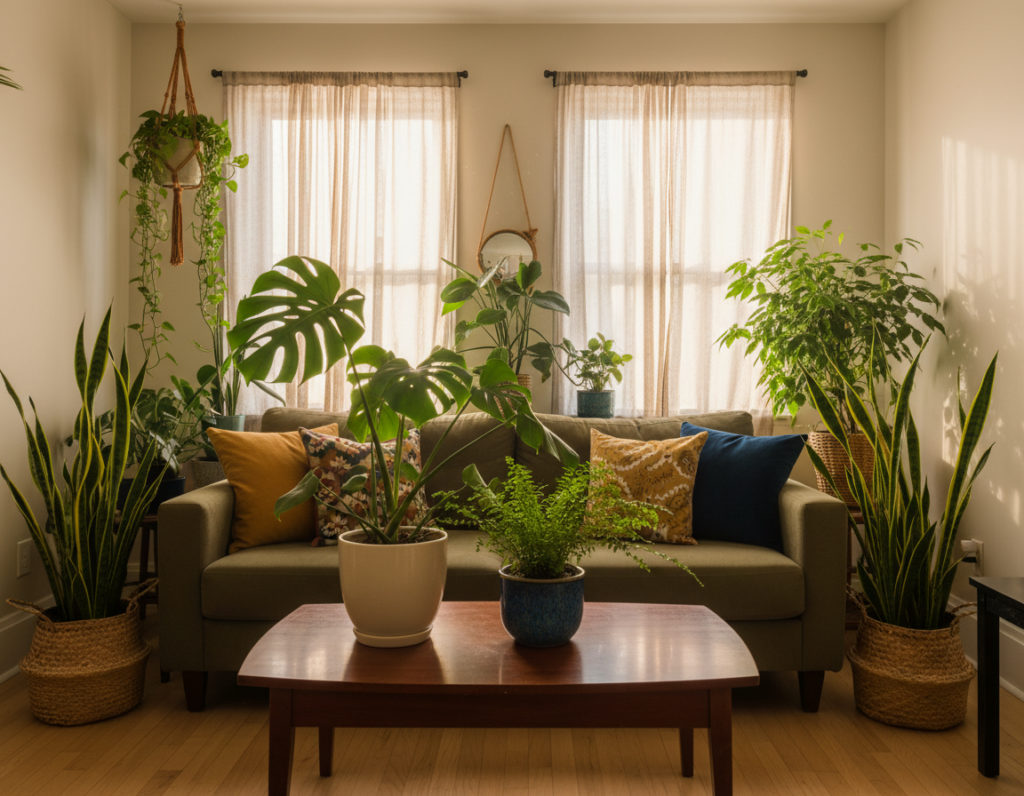
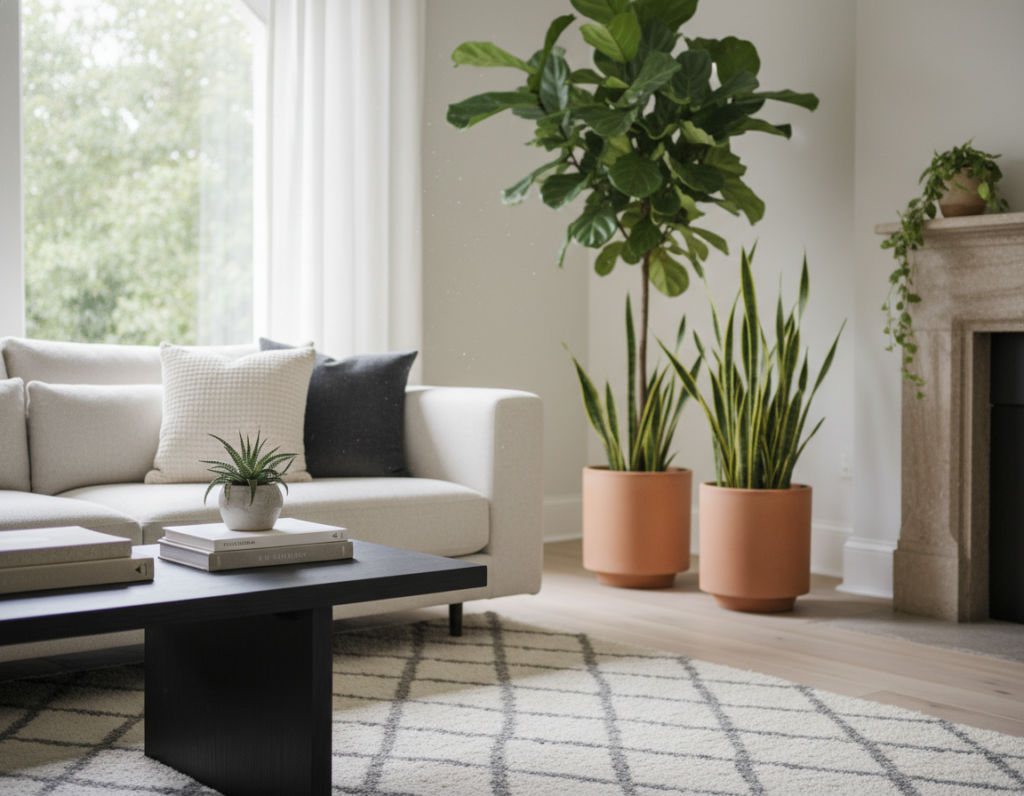
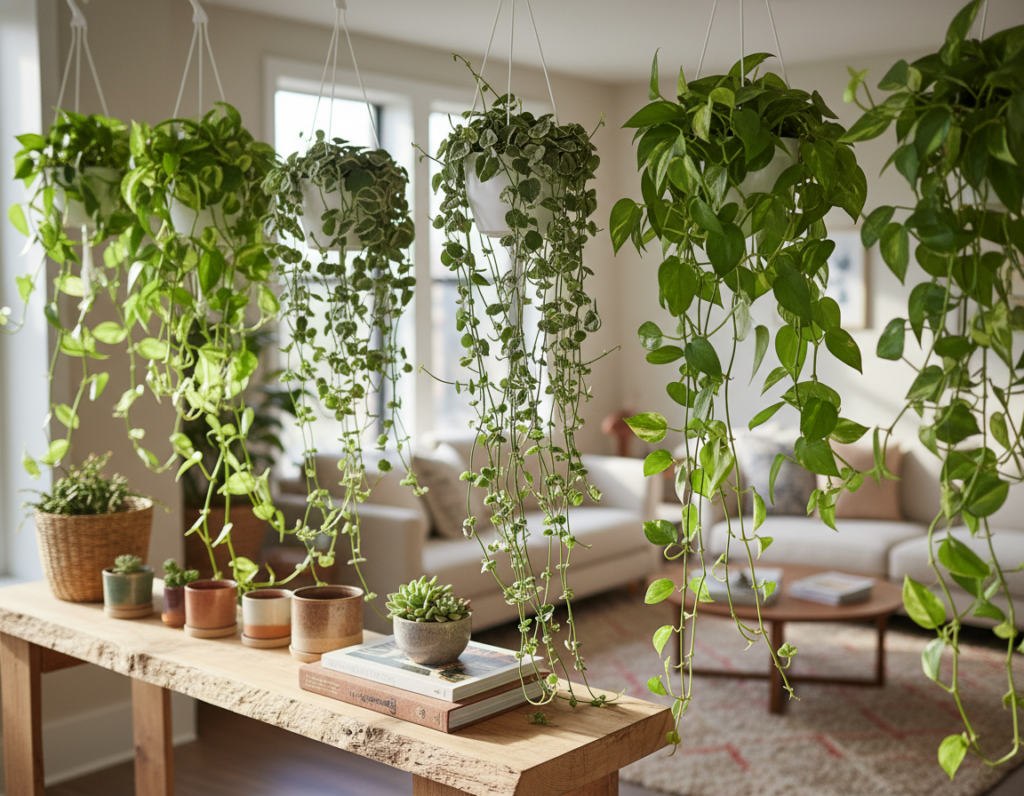
City dwellers often need smart solutions to make tight rooms feel airier and more inviting. Designers recommend using wall-based green systems to draw the eye upward and create a sense of height. This approach blends nature with modern architecture in dense markets like New York City.
Beyond aesthetics, living walls can boost indoor air quality and bring a calming mood to a busy home. Residents gain usable floor space while enjoying a lush, textured backdrop that changes with light and season.
This guide walks through practical methods to transform compact interiors into thriving sanctuaries. It covers easy installations, maintenance tips, and how to choose arrangements that fit urban lifestyles. The goal is simple: make every square foot feel intentional and open.
The Impact of Vertical Plant Decor for Small Apartments
Smartly arranged greenery on a wall changes scale and softens hard architectural lines. Designers and designers’ clients see how this approach adds visual volume without losing precious floor area. Adam Baron of Folia Gardens in Brooklyn notes that installations like this make compact urban interiors feel more organic and roomy.
Visual Expansion Techniques
Use upward lines and layered foliage to draw the eye higher and increase perceived height. A well-composed vertical garden creates depth with color and texture and helps a small space read as larger.
Architectural Softening
Living walls can soften harsh corners and industrial finishes. They break rigid sightlines and add movement. Research shows exposure to plants calms the mind, which is why living walls often appear in spas and meditation studios.
“A living wall adds volume and life to tight urban rooms,”
- Highlight moldings or beams with layered garden ideas to mask sharp edges.
- Choose the best vertical garden ideas that fit the wall structure and light.
- Integrate a mix of plants to create a cohesive, living backdrop that enlarges spaces.
Health and Wellness Advantages of Living Walls
Adding a green wall can change indoor air chemistry and mood almost immediately. NASA research shows that live plants filter toxins by turning carbon dioxide into oxygen, which helps indoor air quality.
Living walls act as natural air purifiers. They absorb VOCs such as formaldehyde and benzene that off-gas from common household items. That makes a safer, fresher space for daily life.
Studies in offices and clinics link these installations to lower stress and better immune responses. A well-placed vertical garden can improve skin quality and mood, similar to settings used in meditation studios.
- According to NASA, plants are key to filtering toxins and improving air quality at home.
- Designers add vertical gardens to residential projects to create calming, healthy spaces.
- Using balconies to host a living wall extends usable space while boosting mental health.
“Living walls make interiors healthier and more restorative,”
These ideas are not only aesthetic. They serve a functional purpose: healthier air, reduced stress, and a more vibrant home. Learn more about living wall benefits at living wall benefits.
Selecting the Right Plants for Vertical Growth
Success with wall gardens starts with matching species to light and moisture conditions. Todd Haiman of Todd Haiman Landscape Design in New York City stresses the axiom “right plant, right place.”
Indoor Varieties
Choose forgiving species that tolerate indoor light. Common hanging options include English ivy, Boston fern, pothos, and philodendron. Succulents also shine in living panels and add texture to any planter.
Outdoor Climbers
Flowering climbers bring seasonal color. Jasmine, morning glory, black-eyed Susan vine, moonflower, and clematis work well on trellises and exterior gardens.
Light Requirements
Match intensity and duration to each selection. Shade-tolerant choices live near north walls. Sun-loving options need full exposure and more frequent watering.
- Use a trellis or trellises to guide growth and shape the design.
- Watering matters: vertical planters dry fast, so plan irrigation or check soil often.
- Hanging species like pothos add volume to upper sections and save floor space.
“The ideal option always depends on light, moisture, and wind conditions.”
Maximizing Space with Vertical Veggie Gardens
Growing edibles up a wall turns unused height into a reliable food source. Nick Runkle at Stanly Ranch notes that upward growth improves airflow and reduces disease pressure.
High-yield choices include pole beans, peas, cucumbers, tomatoes, and vining squash. These crops make the most of a compact garden and keep soil beds free below.
Herb garden planning suits a kitchen or balcony. Herbs like basil and cilantro thrive in stacked modules and give instant access to fresh flavors.
Use sturdy supports and modular planters to handle heavy fruit. Proper spacing and training increase harvests and keep the design tidy.
Benefits:
- More food per square foot than traditional beds.
- Better airflow lowers pesticide and fungicide needs.
- Converts a spare balcony into a productive source of ingredients.
“By choosing the right varieties, gardeners can maximize yield while keeping an attractive wall design.”
Creative DIY Approaches to Vertical Planters
DIY wall planters let homeowners reuse common items to make striking green displays. Sam Niemann of Chicago’s Grown by Design recommends salvaging old picture frames and attaching a shallow wooden box to the back to form a compact planter.
Repurposing thrift-store finds is a low-cost, sustainable way to create an eye-catching feature. Simple methods — stacking pots on a stake, mounting gutters on a wall, or converting a pallet — let anyone build a custom garden that fits their balcony or living room.
Practical tips:
- Use reclaimed wood or gutters as a base and add liner for soil retention.
- Stack pots through drainage holes to make a tall, modular display.
- Install a small trellis when training climbing species to save floor space.
- Arrange hanging planters in patterns to craft a textured, living backdrop.
“These DIY ideas let people adapt garden design and materials to their own space,”
Essential Maintenance for Thriving Vertical Gardens
Practical care keeps a living wall reliable. Todd Haiman of New York City stresses that enough growing media and efficient watering systems are the foundation of a successful vertical garden. Timed irrigation stops soil from drying out and reduces daily chores.
DIYers often choose easy kits. Brands like DripWorks sell simple irrigation systems that homeowners can install to maintain indoor and outdoor setups. Those kits save time and help avoid common failures in elevated gardens.
- Design access into the layout so watering and pruning are simple and safe.
- Use a timed watering schedule and check moisture weekly to keep roots healthy.
- Account for balcony exposure: wind and sun raise water needs and affect design choices.
“Installing a timed irrigation system is a critical step to keep plants healthy.”
Regular checks and the right tools make gardening low-stress. With planned maintenance, your wall stays lush and becomes a durable, attractive feature in any home.
Using Greenery to Create a Wallpaper Effect
When greenery meets marble or granite, walls gain texture and a refined, layered look. This pairing makes a living surface that reads like wallpaper and adds instant color and depth to a room.
Designers often mix hard finishes with lush growth to soften stone and tile. The contrast between cold materials and warm foliage turns a plain wall into a focal point in a living room or entryway.
- Integrate granite or marble panels with modules of low-care plants to create a gallery-like display.
- Choose species that contrast in texture and color to highlight the base materials.
- Apply this approach on an interior wall or a balcony to boost visual depth and make the space feel curated.
- Use the wall as a primary design element to bring a high-end, organic touch to the home.
“A living wallpaper balances architecture and nature, giving rooms a timeless yet modern appeal.”
For more inspiration on execution and layout, see curated vertical garden wall ideas.
Incorporating Artificial Plants for Low Maintenance
Artificial greenery panels let owners enjoy a consistent aesthetic even in low light. They mimic living growth while cutting daily chores. This makes them ideal in busy homes and commercial settings.
At Dare restaurant, designers mounted faux foliage on a two-inch by two-inch black wire panel. The result is a striking, low-care wall that reads lush year-round.
Why choose faux? These garden ideas give a realistic look without watering, pruning, or complex irrigation. High-quality materials produce depth and texture that hold up in strong sun or dim interiors.
- Low maintenance: no daily watering or seasonal replacements.
- Scalable: use small panels or full installations to suit any wall or balcony.
- Durable: good faux products resist fading and stay consistently lush.
“Using quality faux materials makes large-scale installations practical without the upkeep.”
Room Dividers Using Moss and Succulents
Geometric screens built from moss and succulents define spaces without heavy construction. Monamour Natural Design in Madrid pioneered a “Screen Divider” in their Nature Collection using preserved moss and living-like succulents.
These dividers act as a creative solution to separate zones in offices and modern homes. The panels provide privacy while keeping sightlines open and light moving through rooms.
Designers often use squares, circles, or tessellated patterns to create a wallpaper effect across a wall or freestanding screen. The geometric language adds a modern touch and visual rhythm.
- Monamour’s preserved moss and succulents blend art and function.
- Moss walls add texture and calm to living spaces and commercial lofts.
- These garden ideas work well on a balcony or inside to organize zones without permanent construction.
“A moss-and-succulent screen gives privacy without closing a room.”
Architectural Floating Moss Installations
Suspended moss panels can turn a blank wall into a sculptural element that reads like modern art. Monamour Natural Design, led by Denis Broduriès, introduced these maintenance-free systems to Spain and scaled them worldwide.
Claudia Bonollo, chief designer and architect at Monamour, focuses on organic shapes and clean lines. Her work uses preserved moss to create floating compositions that need no watering or weekly maintenance.
These installations act as statement pieces. Suspended panels add depth and texture to walls and can anchor a balcony or interior living area with minimal effort.
- Maintenance-free preserved materials deliver a long-lasting, natural look.
- Floating formats emphasize architectural lines and craft a refined, modern aesthetic.
- Installations work as focal points that elevate an entire room with minimal upkeep.
“Floating moss walls offer a sophisticated, organic alternative to traditional garden systems.”
Transforming Bookshelves into Vertical Gardens
Converting a bookshelf into a vertical garden is an accessible way to bring layered growth into a home. It repurposes sturdy furniture and creates a clear focal point without major construction.
Why it works: A bookcase already has structure and depth. Shelves give room to group plants by height and water needs. This creates a composed design that reads like curated shelving, not clutter.
Placement matters: Place the unit against a wall or on a balcony to save floor space and add greenery where it can be seen and enjoyed.
- Use trays and saucers to protect shelves from moisture.
- Mix trailing and upright species to build depth and texture.
- Start with easy-care varieties if this is a first garden project.
- Customize paint or stain to match room style and anchor the display.
“Repurposing furniture is a smart way to begin a home garden without heavy tools.”
Enhancing Privacy with Exterior Wall Gardens
An engineered green screen shields balconies from view while enhancing curb appeal. Exterior garden facades serve as an elegant architectural barrier between neighbors in dense neighborhoods.
These living walls make outdoor areas feel private without heavy construction. By pairing a trellis or custom facade with the right plants, homeowners can grow a lush, continuous screen that softens sightlines and noise.
- Exterior wall gardens create privacy on balconies and patios while adding texture and color to the home.
- A trellis or architectural facade supports climbing species that form a dense, green screen over time.
- These garden ideas suit urban residents who want protected outdoor space without feeling exposed.
- Consulting a landscape architect makes plant selection and maintenance easier in local climates.
- Well-designed walls add curb appeal and value while fitting the size and shape of each balcony.
In short, a carefully planned exterior setup combines practical screening and lasting beauty. For best results, they should work with a pro to pick durable species and install irrigation. Thoughtful vertical garden ideas turn a public-facing wall into a private, serene retreat.
Indoor Herb Gardens for Functional Kitchens
Growing culinary herbs at eye level makes cooking faster and kitchens feel fresher. An indoor vertical garden is an efficient way to add both function and style to a cooking space.
These compact gardens supply fresh herbs and reduce trips to the store. They also help indoor air by adding moisture and gentle filtration. Many homeowners choose easy-care plants and a simple irrigation tray to keep care low.
Designs can be tailored to the layout of the home and the needs of the cook. A mounted rack or shallow pocket system saves counter space and adds color to a wall. The setup is a sensible way to make the kitchen more useful and inviting.
- An indoor herb garden provides daily access to herbs like basil and parsley.
- These ideas suit kitchens where counter room is limited yet fresh food is prized.
- A thoughtfully sized garden can be as tall or as short as the layout requires.
With minor care, these gardens give steady flavor and visual appeal while blending practical cooking needs with smart design.
Sound Reduction Benefits of Moss Walls
A dense moss installation can reduce reverberation, turning hollow rooms into quiet retreats.
Sheet moss and reindeer moss absorb mid- and high-frequency sound. This material choice makes a measurable difference in open-plan spaces. It is an elegant way to tame echo without bulky treatments.
Beyond acoustics, these gardens add texture and soft color. A moss garden acts as living insulation, helping a space feel warmer and calmer. Designers often pair a succulent wall planter behind a master tub to create a spa-like focal point.
- Moss walls reduce sound bounce and make busy rooms more comfortable.
- Combining sheet and reindeer moss meets both aesthetic and acoustic needs.
- Succulents require very little water and low maintenance when used in a bathroom planter.
- These materials provide a low-effort way to improve the look and function of interior spaces.
“A well-placed moss wall can transform a hollow-sounding room into a cozy, inviting environment.”
Optimizing Balcony Spaces with Vertical Greenery
A compact balcony can become an urban oasis when height is used to its fullest. By lifting growth off the floor, a narrow area gains space and purpose without feeling cluttered.
Walled gardens on balconies save room and let residents grow herbs and succulents, or healing species like aloe. Adding a trellis or a series of trellises creates privacy and striking architectural lines that frame the outdoors.
Practical choices matter: choose durable pots and a slim planter system to avoid overcrowding. Install supports that make training climbers simple and safe.
- Best vertical solution: stacked modules and pocket systems save floor area.
- Use a trellis to grow climbing herbs and create a private, productive garden.
- Grow many species in pots to keep the balcony tidy and easy to maintain.
- A shallow planter can host aloe and other herbs as a convenient home remedy source.
With careful selection of structures and species, balconies become lush retreats. These vertical garden ideas and garden ideas small help urban dwellers maximize outdoor living and enjoy more usable space.
Conclusion
Bringing green systems into a home reshapes how rooms feel and how people live there. Incorporating vertical gardens can maximize space while delivering real health benefits. Whether a DIY project or a pro installation, the right design matches each wall to its light and moisture needs.
Thoughtful choices in gardening and materials make these gardens last. Use simple maintenance plans and start with a modest setup if this is a first build.
Conclusion: These vertical garden ideas offer a practical route to creating vertical features that lift mood and add value. Small steps in care and planning lead to a thriving, long-lasting sanctuary in the heart of the city.