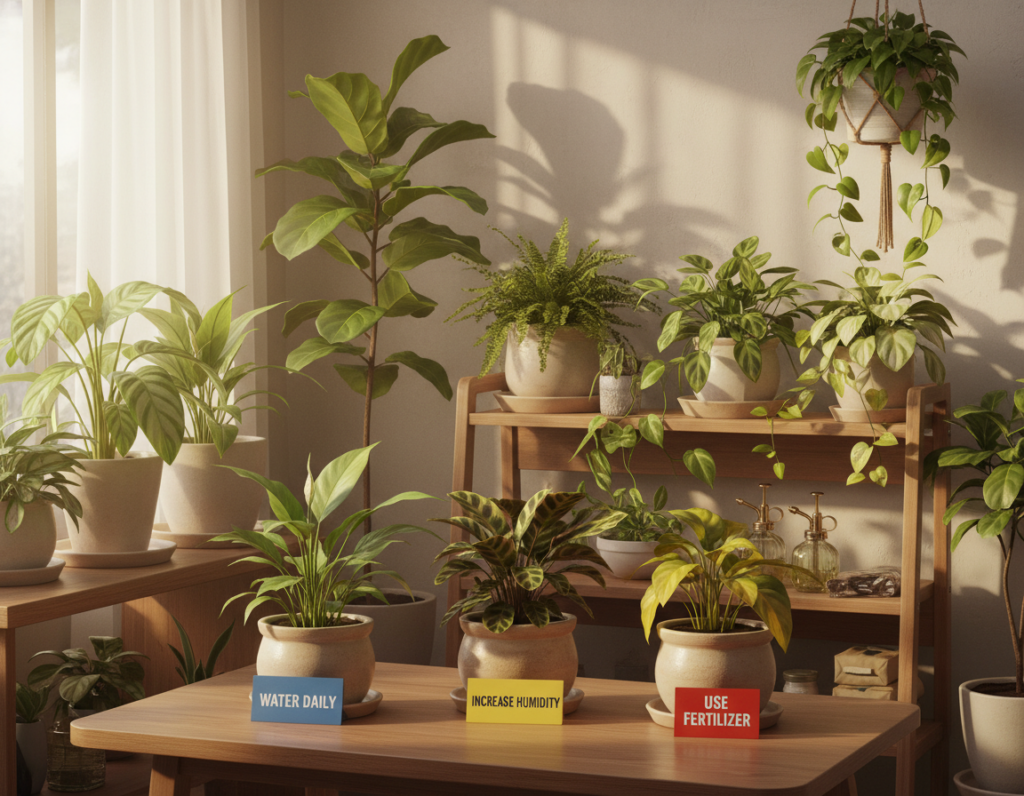
Maintaining a healthy indoor garden starts with smart care and simple habits. He or she should check soil moisture at least 2 inches down before watering to avoid root rot. Simple checks cut down excess moisture and slow the spread of fungi that like still, humid air.
Light, drainage, and steady watering routines are the best defenses. Proper drainage for every new plant prevents standing water. If leaf drop or dark spots appear, they signal that plant needs and air circulation must be evaluated.
Using a baking soda solution—1 teaspoon per gallon of water—or neem oil can help as a mild solution for common issues. By following these clear steps and giving houseplants consistent care and light, they stay healthier in small apartments with poor circulation.
Understanding Fungal Growth in Apartment Environments
When air stays stagnant and the soil surface remains wet, microscopic growth can take hold quickly. Small spaces trap warm, humid air and raise the risk that the soil will stay damp for long periods.
Environmental Factors
Air movement and humidity matter. Apartments with poor ventilation hold moisture near the soil and leaf surfaces. This creates ideal conditions for fungus and other microbes to develop.
Plant Susceptibility
Some plant species are more likely to suffer root decline when roots sit in wet soil for too long. Over time, the root system can fail to take up nutrients, and leaf spots or discoloration may appear.
- Warm, still air plus trapped moisture encourages growth.
- A persistently damp soil surface invites mold or mildew to form.
- Daily checks for spots, soggy soil, or weak roots help catch problems early.
- A diluted hydrogen peroxide rinse can reduce visible surface growth when used carefully.
Understanding each plant’s needs and improving ventilation are simple ways to limit spread and keep houseplants healthier.
Identifying Common Signs of Plant Fungal Infections
Noticing subtle changes on leaves or the soil surface can prevent a minor issue from becoming severe. He or she should scan each plant weekly for unusual spots, fuzzy patches, or a pale layer on the soil. These signs often appear before major decline.
If a white or grey film forms on the soil surface, it usually means excess moisture is stressing the plant. A sour or musty smell from the pot signals root rot and needs quick action.
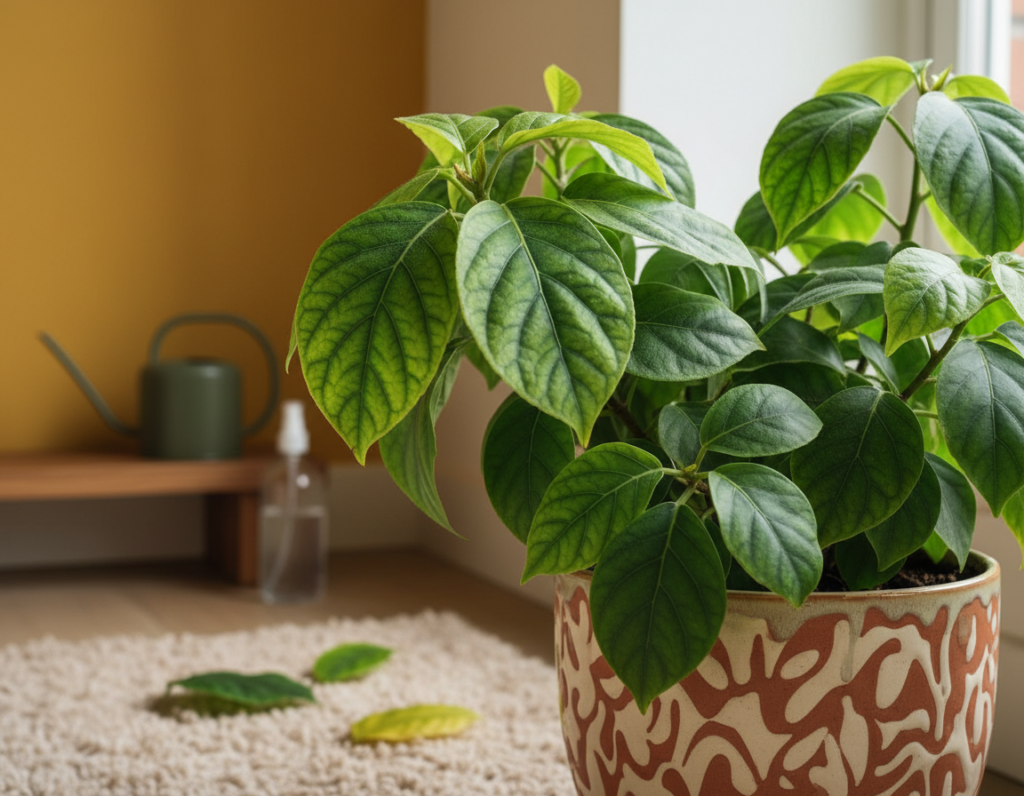
Leaf drop and brown or black spots on leaves indicate the problem is advanced. Inspect the underside of every leaf for tiny specks or discoloration that may be missed from above.
- Clean the soil surface regularly to spot early signs of fungi before spread.
- Keep records of recurring spots and any foul odors to catch root rot early.
- For more guidance on recognizing common issues, consult this helpful reference.
By observing plants closely and acting at the first sign of abnormal spots or smells, they can prevent spread and protect stems and roots.
Essential Fungus on Indoor Plants Treatment Methods
Simple, safe solutions applied correctly can protect a plant and speed recovery.
Natural fungicides
Naturally derived options like neem oil act as a mild fungicide and help control many common issues. Apply as directed and cover all parts of the plant, including the underside of the leaf, to reach hidden spores.
Baking soda solutions
A baking soda mix is an easy home remedy. Apply a diluted solution every 1–2 weeks to affected soil and foliage to slow surface growth.
Hydrogen peroxide and neem oil
For soil or leaf surface rinses, mix 1 part 3% hydrogen peroxide with 3 parts water. This solution helps reduce microbial buildup in the soil and on leaves.
- Isolate any plant with visible spots for a few weeks to stop spread.
- Check treated specimens each day to confirm recovery.
- Consistent care matters: humid conditions and still air will prolong issues, so pair these methods with better ventilation.
Improving Air Circulation to Protect Your Greenery
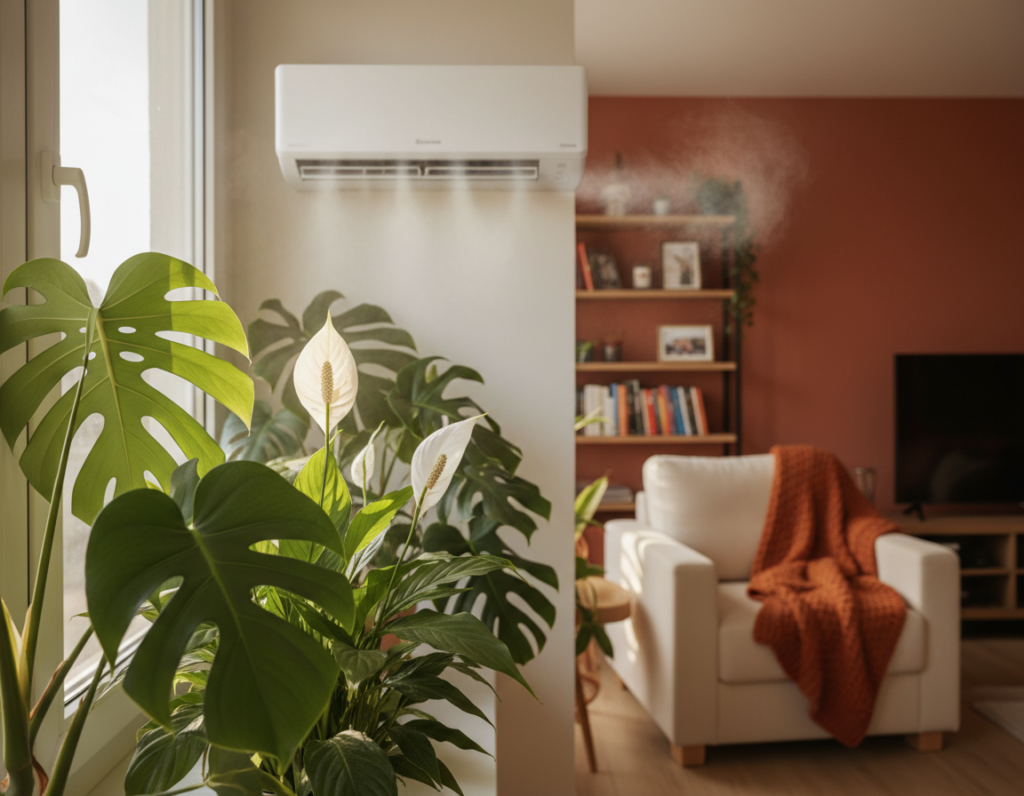
Good air flow keeps moisture from settling on leaves and lowers the risk of visible fungus. Small changes in room layout and a regular airflow routine make a big difference.
Using Fans and Ventilation
A small fan can be the simplest preventative tool. Place it so it moves gentle air across pots without blasting foliage. This helps dry the leaf surface after watering and reduces stagnant pockets of humidity.
- Use a low-speed oscillating fan for steady circulation around plant groupings.
- Avoid overcrowding; spacing allows circulation around stems and leaves.
- Move a specimen to brighter, breezier areas for a few hours each day when signs of fungus appear.
“Regular, gentle air flow is one of the most effective ways to prevent recurring issues and support healthy growth.”
Daily light and fresh air combined with careful spacing protect soil and foliage. Check pots each day and adjust airflow to keep moisture in check.
Optimizing Watering Habits for Better Soil Health
A reliable way to protect roots is to water only when the upper two inches of soil feel dry. He or she should test the surface with a finger or a moisture meter before adding water.
Morning watering is best. Watering early lets excess moisture evaporate through the day and helps keep the soil from staying damp into the night.
Avoid getting water on leaves; wet foliage can encourage spots and other issues. Focus the stream at the base so the leaf surface stays dry and air can move freely around the stem.
If root rot is suspected, a one-time soil rinse using diluted hydrogen peroxide can reduce harmful microbes. Use this carefully and follow product directions.
Proper drainage is essential. Pots with good drainage and a well‑draining mix prevent water from pooling around the root system. A quality fungicide may be a secondary option if habits alone do not stop the problem.
“Consistent checks and timed watering keep soil healthy and roots resilient.”
- Check that the top two inches of soil are dry before you water.
- Water in the morning to let soil dry during the day.
- Keep leaves dry and ensure proper pot drainage.
Managing Pests That Lead to Fungal Outbreaks
Pests such as aphids and scale often leave sticky residues that invite sooty growth and leaf spotting.
He or she should inspect every new plant before it joins the collection. Check the soil surface, stems, and leaves for tiny insects or eggs. Early removal stops spread across pots and areas of the room.
- Remove pests gently: use soapy water or a mild fungicide spray to clear visible insects.
- Wipe leaves: clean leaf surfaces weekly to remove honeydew, spores, and dust.
- Isolate and monitor: keep affected plants apart and check them each day for new spots or leaf drop.
- Protect the root zone: for severe infestations, treat the soil with diluted hydrogen peroxide to target larvae in the root area.
Keeping plants clean is a multi-week process that needs steady attention. Consistent checks of soil moisture and timely water practice help prevent secondary fungi and support recovery.
“Daily inspection and quick isolation are the best defenses against pest-driven outbreaks.”
Repotting and Soil Maintenance Strategies
Starting with sterile soil and sanitized pots cuts the risk of recurring surface growth. A careful repot gives a plant fresh structure and better drainage. This step helps remove affected root sections and restores healthier mix around the root.
Sterilizing Pots and Tools
Sanitation is as important as the soil you choose. Always clean pots and tools with rubbing alcohol before use. This prevents transferring spores or other contaminants between parts.
- Repot into fresh, sterile soil to remove issues that began in the root zone.
- Sanitize potting mix by baking at 200 degrees for 30 minutes to kill lingering organisms.
- If root rot appears, trim damaged roots and apply a labeled fungicide to remaining healthy tissue.
- Add a thin top layer of cinnamon or baking soda to the soil surface to discourage mold return.
- Use hydrogen peroxide sparingly for targeted soil cleaning and check the plant each day for new spots on the leaf.
“Clean soil and clean tools give any pot the best chance to recover.”
Conclusion: Maintaining a Healthy Indoor Garden
Consistent care, simple routines make the biggest difference in keeping potted greenery healthy. He or she should watch soil moisture, light, and spacing each day to prevent issues.
Improving air circulation around plants and using proper drainage are the top tips for reducing the risk of fungus and related problems. Prompt action and the right watering habit stop many problems before they worsen.
If signs of infection appear, begin treatment quickly and monitor the plant for several weeks to confirm recovery. For more detail on common plant diseases and how to treat them, consult this guide to common plant diseases and how to treat.
Daily checks, steady watering, and good air circulation around pots will keep soil and foliage vibrant for the long term.