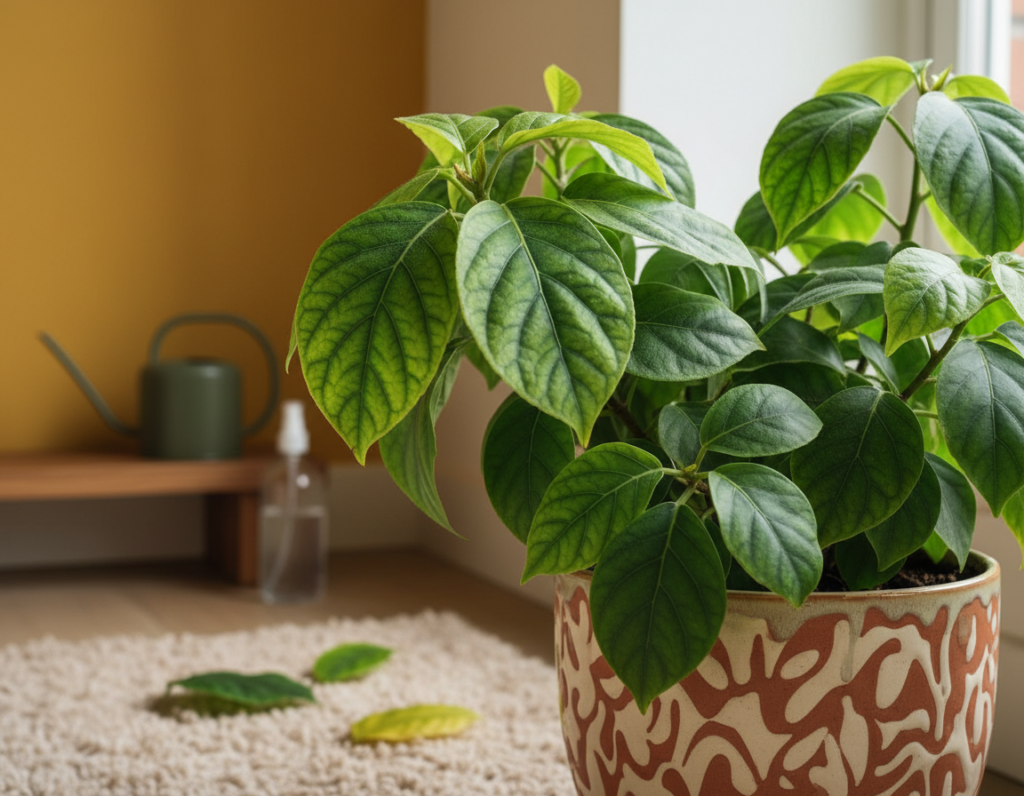
Many houseplants show clear signs of stress. Yellowing leaves, wilting, and slowed growth ask for quick attention. A calm check of soil moisture and light can often point out the main problem.
Proper water and soil care are the first steps. Dry, compacted soil may pull away from pot sides and needs bottom watering or a gentle soak. Pruning discolored leaf tissue helps the plant focus energy on new growth.
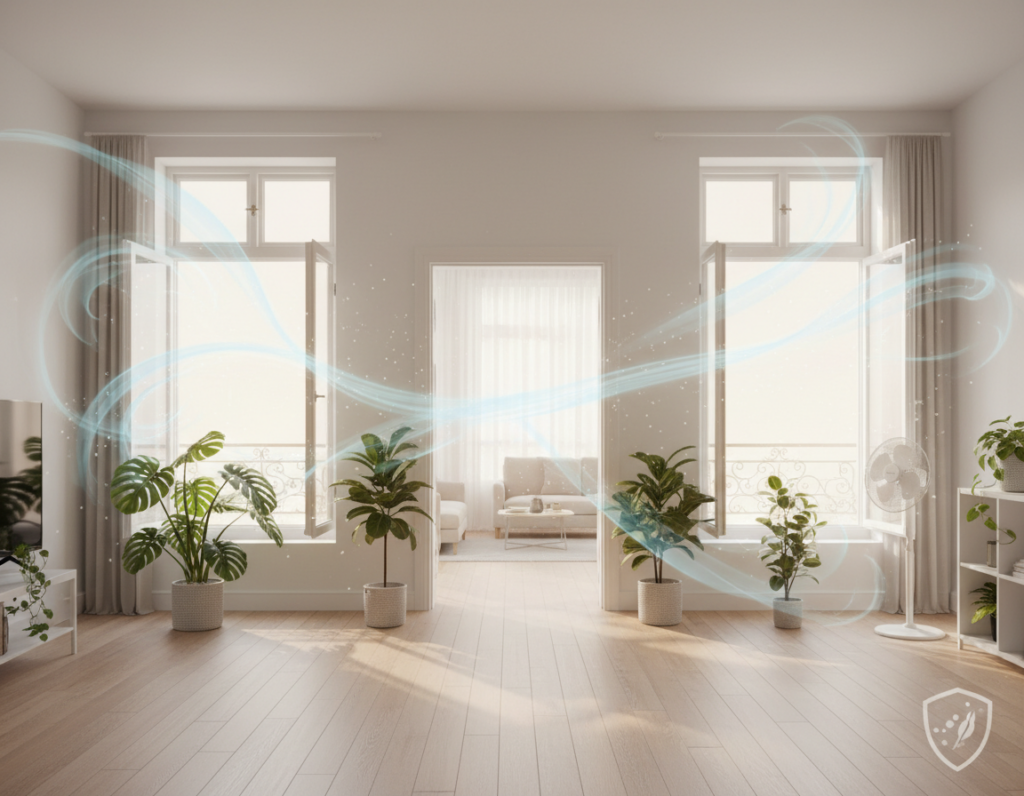
Good spacing, steady light, and balanced humidity improve long term health. Home gardeners should watch changes over time and act at the first signs of wilting or turning yellow.
Simple observation and measured care prevent many problems. With a bit of attention, most houseplants can bounce back and thrive in their space.
Assessing the Health of Your Indoor Plants
A quick, hands-on check gives a clear snapshot of a plant’s current health. Start by observing stems and foliage for color, firmness, and flexibility. Watch for yellowing or brown spots on leaves as early signs that conditions need attention.
Checking Stems and Foliage
Feel the stems. Healthy stems bend slightly and feel firm. If scratching the surface shows green tissue, the stem is alive. Brittle, dry brown stems are likely dead.
Prune dead or damaged leaf tissue, but never remove more than one-third of the foliage at once. This careful care helps direct growth where it matters most.
Examining the Root System
Gently lift the root ball when possible. Healthy roots are white, cream, or light tan and feel firm. Dark, mushy roots or a foul smell point to rot, a common sign of poor root health.
“Healthy stems are flexible and firm; scratching the surface to reveal green tissue confirms the plant is alive.”
- Look for new growth at the root crown as a positive sign.
- Inspect roots and stems regularly to catch problems early.
- Use targeted care based on the signs found in stems and root zones.
How to Recover Unhealthy Indoor Plants Through Proper Watering
Correct water management is the single most effective step when a houseplant shows signs of stress. Overwatering is the most common cause of decline because excess moisture denies air to the roots and fuels fungal growth.
Stacy Ling notes that thin, dry, shriveled roots point to prolonged underwatering. In such cases a thorough, careful soaking helps, but sudden heavy watering can damage fragile root tissue.
When leaves wilt, check soil moisture before adding water. Compact, hydrophobic soil may repel liquid; in that case loosen the top layer or use a slow soak that lets water penetrate evenly.
Signs of excess moisture include fungus gnats and a sour smell from the pot. If roots are rotting, recovery can take a month or longer after watering habits are corrected.
“Using a moisture meter or the finger test prevents the common mistake of watering on a rigid schedule.”
- Remove yellow or dead foliage so the plant can focus energy on growth.
- Use a pot with good drainage and check soil texture regularly.
- Adjust watering frequency based on moisture, season, and growth conditions.
Optimizing Light Conditions for Plant Growth
Many popular houseplant species come from shaded forest floors and prefer soft, dappled sunlight rather than harsh direct sun. Bright, filtered light supports steady growth and keeps leaves from bleaching or developing crispy brown patches.
Filtering Direct Sunlight
Use sheer curtains or blinds to diffuse intense rays. A thin curtain reduces sun intensity and protects delicate leaf tissue while still supplying energy for photosynthesis.
Place a light meter near a few plants across the day. This simple check shows whether a spot provides the right amount of light for a particular houseplant.
- Move a plant slowly when shifting it to a brighter place; abrupt changes can shock foliage.
- East or south-facing windows with afternoon protection are ideal for most tropical-origin houseplants.
- Even low-light labeled specimens need some sunlight; rooms without windows will stunt growth.
“Consistent light conditions are essential; filtered sun gives protection while supplying steady energy.”
For practical guidance on specific light needs, consult this lighting for houseplants resource. Small adjustments in light often produce quick, visible improvements in leaf color and overall health.
Addressing Root Issues and Container Constraints
Roots that run out of space often show stress before the top growth does. Watch for roots above the soil line or poking from drainage holes. These are clear signs a pot is too small.
Signs of Rootbound Plants
Wilting and yellowing leaves appear when roots cannot supply water and nutrients. Roots circling the root ball or sticking out of the pot are common signs.
If a houseplant has sat in one container for years, the pot may be the problem.
Selecting the Right Pot Size
Stacy Ling recommends choosing a container one size larger than the current pot. Too large a pot holds excess soil and keeps water longer, raising the risk of rot and damage.
- Tease roots outward or trim the bottom slightly to encourage new growth.
- Make sure the new pot has adequate drainage holes to let excess water escape.
- Repot into fresh soil for nutrients that older soil may lack.
“Root growth beneath the soil translates directly to growth above the soil line.”
Improving Soil Quality and Nutrient Levels
Container soil breaks down over time, losing structure and vital nutrients that keep a houseplant healthy. Compacted mix limits air and water movement and can suffocate the root system.
Use a fresh, well-draining potting mix and add perlite or orchid bark for better drainage and porosity. This helps roots access oxygen and moisture without sitting wet.
Avoid garden soil, which often carries pests and has the wrong texture. When replacing soil, keep the texture similar so the root system adapts quickly and avoids shock.
- Choose a balanced fertilizer with macro, secondary, and trace nutrients to correct deficiencies that cause yellowing leaves.
- Apply liquid or soluble fertilizer at half-strength for recovering houseplant specimens.
- Add fresh, nutrient-rich soil for mature plants that need feeding but not a larger pot.
“Good soil is the foundation of good plant growth; poor mix will quickly show in leaves and root health.”
Consistent soil quality and careful fertilizer use support steady growth and encourage new growth without stressing the pot or light conditions.
Managing Environmental Stressors and Humidity
Stable humidity and steady conditions matter for houseplants more than many realize. Many tropical species, such as Monsteras and Calatheas, prefer air above 70% humidity in their native range. When indoor humidity falls below 30%, leaves brown and growth slows.
Clustering Plants for Moisture
Grouping pots together raises local moisture slightly and creates a friendlier microclimate for stems and leaf tissue. This trick helps nearby pots share humidity without extra equipment.
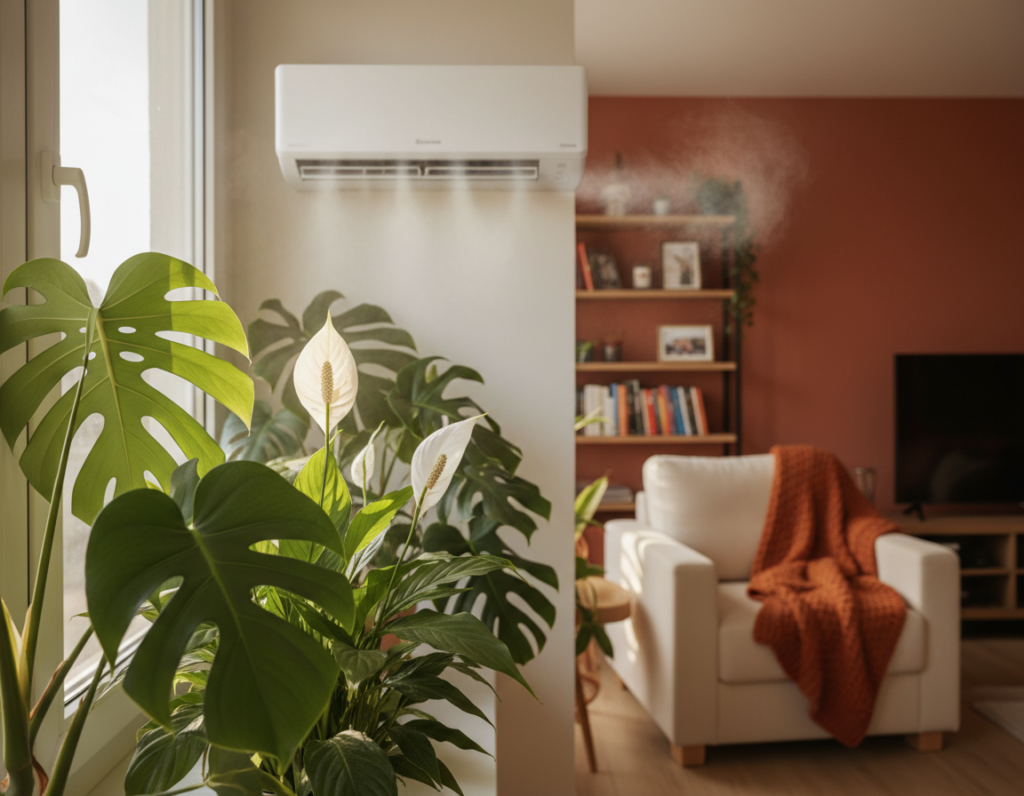
For reliable results, pair clustering with a humidifier in very dry rooms. Avoid placing a plant in the path of air conditioners or radiators, since that causes dry soil and extended stress.
“Stable environmental conditions are the best way to prevent stress in houseplants.”
- Keep specimens away from drafty windows and doors.
- Misting gives only short-term relief and can encourage fungal issues.
- When moving a plant, check light, temperature, and humidity at the new spot.
Conclusion: Maintaining Long-Term Plant Vitality
Steady care, patience, and small routines matter more than quick fixes. A thoughtful schedule of light checks, measured water, and occasional feeding helps a plant stay resilient over years.
If roots remain alive and conditions are steady, most houseplants respond well with time. New growth and firmer leaves are the best signs that the plan works. Avoid changing the routine often; too much attention can stress the system.
Use these simple tips and give each specimen calm, consistent care. With steady attention, your greenery will remain a healthy part of the home for many years.