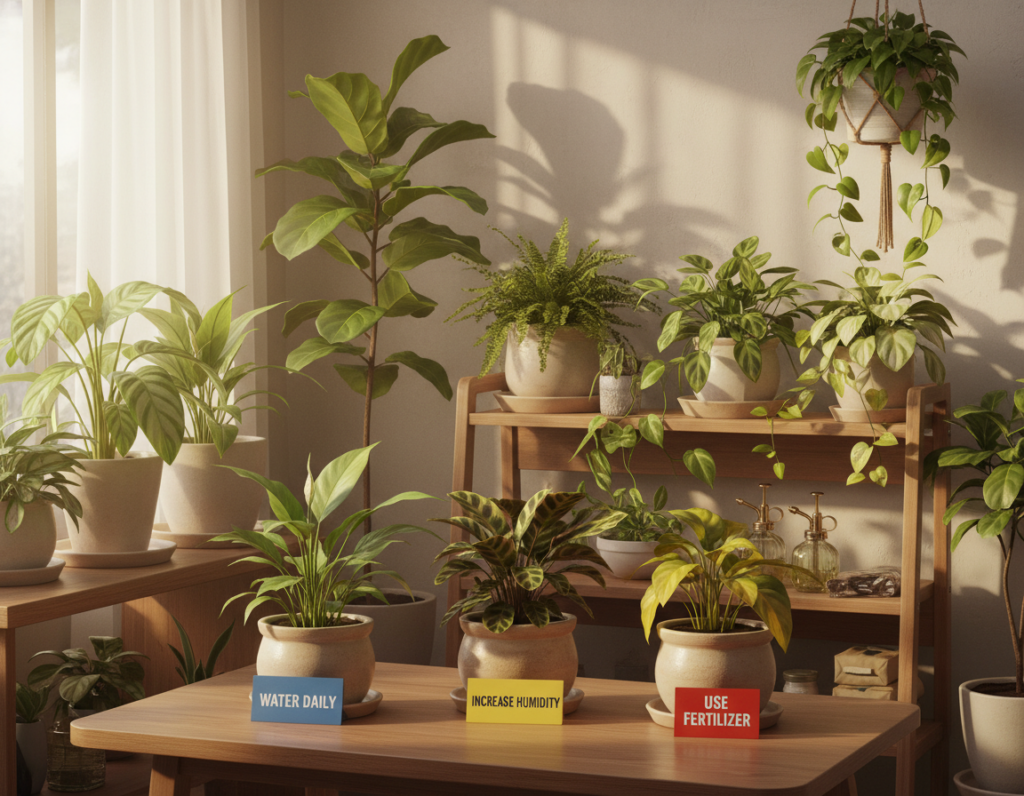
Many residents ask if cool, dry air from modern systems harms their houseplants. This introduction outlines why balancing human comfort and green life matters in a small home. It sets up practical tips and clear explanations to help growers keep their botanical collection healthy year-round.
Tropical favorites like money trees and dracaenas react when temperature and humidity shift suddenly. Understanding the effects air conditioning has on plant health helps owners prevent stress and leaf drop. The guide highlights simple measures that preserve both comfort and green vigor.
Readers will learn ways to monitor moisture, adjust placement, and adapt plant care routines. It covers what to watch for, when to act, and how small changes yield big results. The goal is steady, consistent conditions that boost long-term survival.
Key takeaways: Recognize climate stress on plants, apply targeted plant care, and balance home comfort with stable growth.
Understanding How Air Conditioning Affects Indoor Plants
Small shifts in room climate from mechanical cooling can trigger stress responses in potted greenery.
Temperature Fluctuations
Tropical species such as money trees and dracaenas evolved in steady, warm jungles. Sudden drops in temperature interrupt growth cycles and slow recovery after pruning.
Dry Air Effects
Cooling systems often lower humidity and create dryness that strips leaf moisture. That stress shows as browning leaf tips, slowed new growth, and reduced vigor.
“Consistent conditions are essential; abrupt change forces a plant to divert energy from growth to survival.”
- Jungle-origin plants need higher humidity than typical apartments.
- Stable temperature and steady moisture help houseplants keep their vibrant look.
- Knowing these effects guides placement and humidity strategies.
Identifying Signs of Plant Stress
Visible stress in leaves often signals that a plant is struggling with room climate shifts. Early detection lets owners act before decline becomes severe.
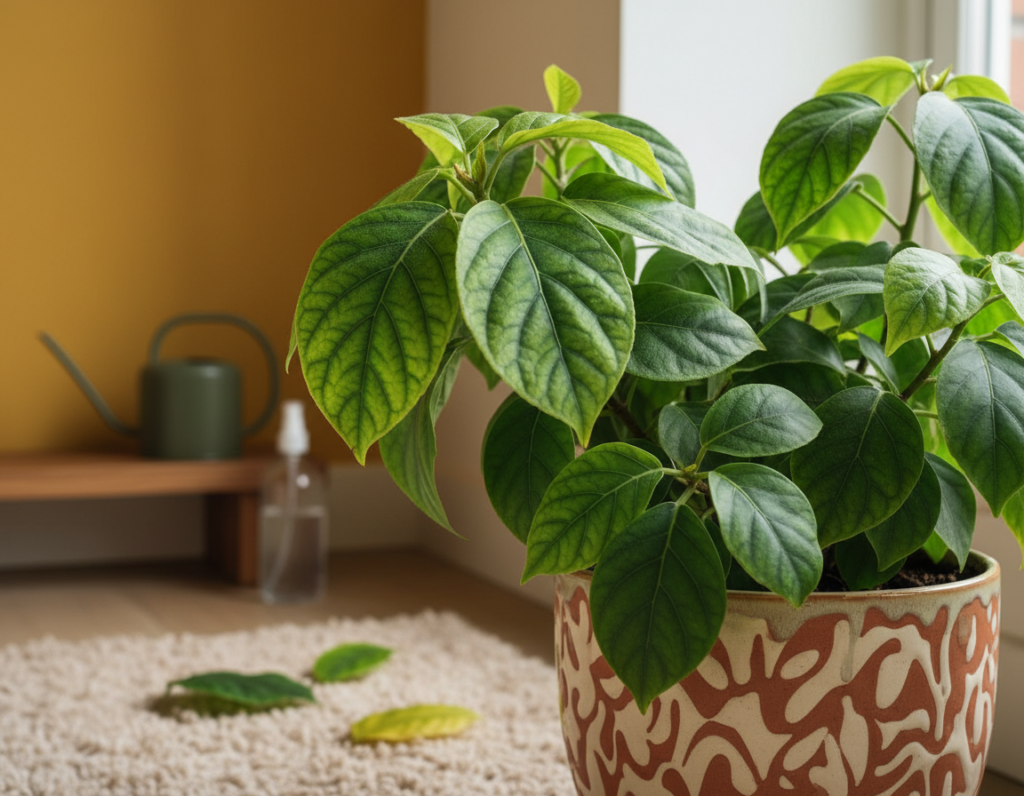
Yellowing or rapid leaf drop is a top warning. When leaves turn pale or fall, the cause may be cooling from an air conditioning unit or low moisture in pots.
Stunted growth is another cue. If new shoots lag or stop, temperature changes and dry air can be to blame.
Look for brown edges on the leaves; they usually point to moisture stress. Wilting or sudden bud loss also signals trouble.
“Catching symptoms early makes recovery much easier and faster.”
- Check soil dampness and leaf color weekly.
- Move affected houseplants away from direct vents or cold drafts.
- Adjust plant care like watering and humidity to support recovery.
Strategic Placement to Avoid Direct Airflow
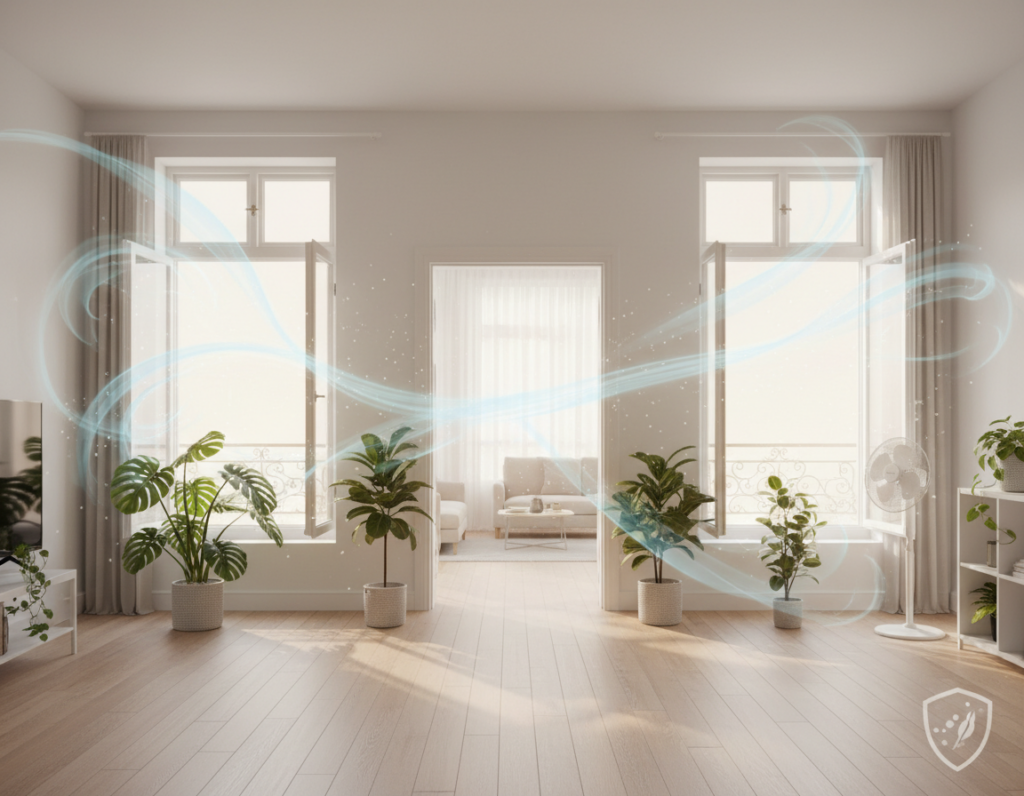
Strategic placement reduces stress from moving cold streams and promotes steady growth.
Keep pots away from vents and direct blasts. Placing a plant too near an air vents or a cooling register exposes leaves to sharp temperature swings. That exposure dries tissue and slows new growth.
When possible, shift plants a few feet from the vent path. A small move creates a calmer zone and lowers moisture loss from foliage.
Avoiding Air Vents
Use furniture, shelving, or a screen to redirect moving air without blocking overall circulation. This protects sensitive species while keeping the room’s climate stable.
“A little distance from vents often makes the difference between stressed leaves and steady growth.”
- Move vulnerable pots to corners away from direct drafts.
- Group plants away from vents to build shared humidity and protection.
- Monitor spots for browning tips and adjust placement promptly.
Managing Humidity Levels for Tropical Varieties
Simple humidity strategies protect fragile foliage and speed recovery after stress.
Because modern cooling often drops humidity to 30–40%, many tropical houseplants need help reaching the ideal 40–60% range. A reliable humidifier is the most consistent fix for steady humidity levels in a home with mechanical systems.
Using Pebble Trays
Pebble trays filled with water raise moisture around plant foliage without waterlogging roots. Place pots on top of the pebbles so vapor rises gently and surrounds leaves.
Grouping Plants Together
Clustering pots creates a shared microclimate. The vapor from each plant accumulates and keeps nearby pots more humid than isolated placements.
Utilizing Humidifiers
When steady moisture is needed, a humidifier keeps levels consistent. For small collections, a cool-mist unit works well. For larger rooms, choose a model rated for the square footage.
“Consistent humidity prevents browning tips and helps new growth establish faster.”
- Mist plants sparingly; avoid fuzzy-leaved varieties.
- Move plants away from drying vents to help them retain moisture.
- See a compact humidifier guide for model suggestions.
Watering Adjustments for Conditioned Environments
In homes with mechanical cooling, growers must rethink when and how much to water each pot.
Check soil moisture daily. Systems that lower humidity speed evaporation from pots. A simple finger test or a moisture probe tells if the soil needs water.
Move sensitive pots away from direct vents and vents’ drafts. When plants are placed away from vent paths, the top layer stays damp longer and roots avoid stress.
Adjust the water schedule for lower humidity and cooler rooms. Water less often but more thoroughly when the soil is dry. Always confirm soil moisture before adding more to prevent overwatering and root rot.
“Monitoring soil each day lets a caregiver match water to real need, not to a calendar.”
- Test soil moisture daily to guide watering.
- Group pots and keep them away from vents to slow evaporation.
- Change schedules based on humidity levels and visible leaf health.
Creating Protective Microclimates
Creating small, sheltered zones helps fragile pots survive sudden temperature swings.
Small plants are especially vulnerable to cold air and low humidity. A glass terrarium creates a controlled pocket that keeps temperature levels steady and reduces moisture loss.
Grouping pots under a shared cover builds a humid zone around plant collections. That buffer softens the impact when the system cycles and the room cools.
“A compact microclimate gives tiny specimens time to adapt without losing vigor.”
- Use a terrarium or clear cloche for very small plants to trap warmth and humidity.
- Cluster pots on a tray to raise local humidity and cut exposure to moving air.
- Check levels regularly and open covers briefly to avoid mold buildup.
Maintaining these microclimates is a proactive step. It keeps the plant group stable through summer cycles and reduces stress from sudden temperature changes.
Seasonal Transitions and Outdoor Acclimation
As outdoor days warm, moving potted greenery outside can jump-start growth after months inside.
Only move pots when night temperatures stay above 50°F. That steady warmth helps a plant recover from air conditioning stress and prevents shock from cold air. Start with sheltered spots and watch how each specimen reacts for a few days.
Gradual Exposure to Sunlight
Introduce sunlight over one to two weeks. Begin with a few hours of morning sun and add time daily. This prevents sun-scorched leaves and lets the foliage adjust.
Check soil moisture each day once pots are outside. Increased light and natural air circulation often increase water needs. Remove saucers so rain drains freely and roots do not sit in excess moisture.
“Slow, staged exposure protects fragile growth and gives a plant time to adapt to stronger light and breeze.”
- Move plants to shade for the first few days, then to brighter spots.
- Monitor soil and water when the top two inches feel dry.
- Keep an eye on leaves for sunburn and adjust placement quickly.
Routine Maintenance for Plant Health
A steady maintenance plan prevents stress and keeps foliage looking its best.
Simple weekly tasks support steady growth and reduce the chance of sudden decline.
Wipe leaves with a damp cloth to remove dust and help pores breathe. Clean foliage improves light capture and reduces pest hiding spots.
Service the home’s filters on a set schedule to keep the room air moving cleanly. Well‑maintained filters improve comfort and benefit houseplants at the same time.
Combat low humidity with a humidifier, pebble trays with water, or a daily mist for tolerant species. Small plants do especially well when grouped on a tray with pebbles and water to share moisture.
“Aim to keep temperatures between 65–75°F for steady growth and minimal stress.”
- Check soil moisture and water only when the top layer is dry.
- Group pots to raise local humidity around foliage.
- Inspect leaves for pests and disease weekly and act fast if symptoms appear.
Conclusion
A few targeted steps can keep greenery healthy even when homes run cooled systems. Small moves and steady care cut stress and help leaves stay vibrant.
Monitor humidity and keep pots away from direct drafts. Check soil before watering and group pots to share moisture.
Use simple tools like pebble trays or a humidifier when needed. For more detail on balancing home comfort with healthy houseplants, see the impact of cooling systems on houseplants.
With these practical steps, residents can enjoy a comfortable home while their greenery continues to grow and thrive.