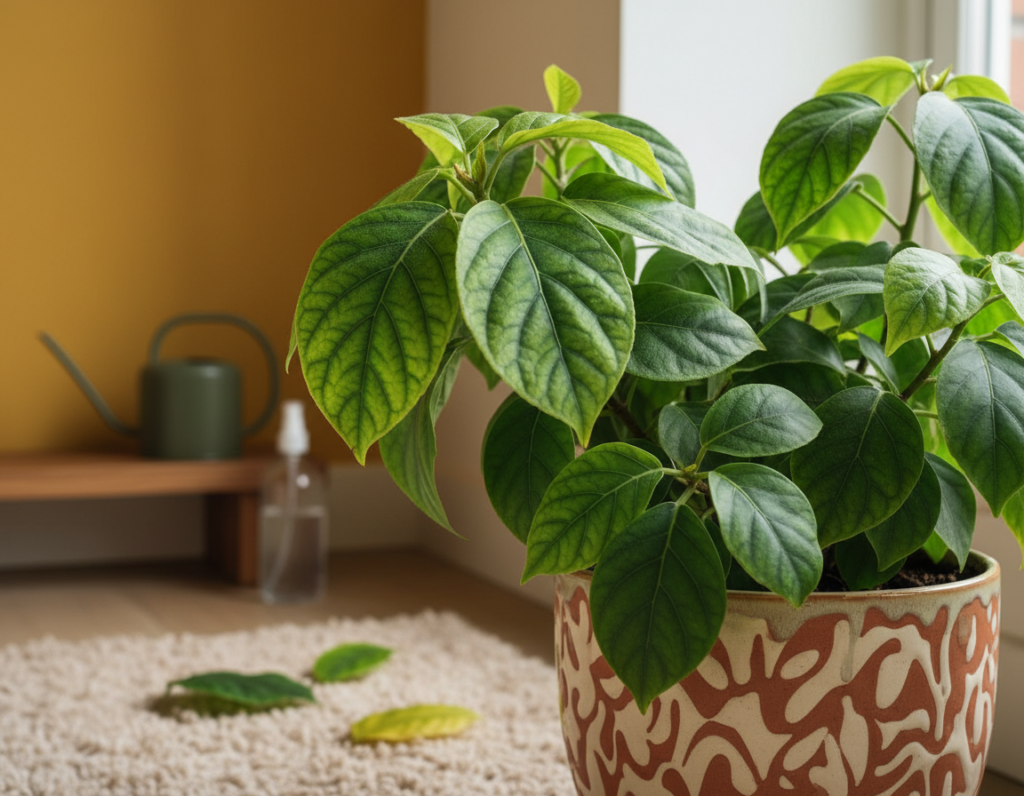
Sudden leaf loss can alarm any plant owner. Many houseplants shed old foliage as part of a normal cycle, but a rapid decline often signals stress from light, water, temperature, or pests.
When a plant begins dropping leaves in large numbers, it is essential to assess its environment. Light levels, watering habits, and drafts all influence health. A careful check helps separate natural loss from a deeper issue.
Prompt action preserves vigor. Identifying the specific trigger allows targeted care and can restore the plant’s appearance and growth. Professional guidance often pinpoints the cause and suggests remedies.
Readers in the United States will find practical steps later in this article to diagnose common causes and stop further dropping. This introduction sets the stage for clear, actionable advice to bring greenery back to good health.
Understanding Why Indoor Plants Drop Leaves
Not all leaf shedding is the same—where and when the foliage falls tells an important story. Observing whether older or newer leaf growth detaches helps narrow the cause.
A sudden loss of lower foliage often signals a plant adjusting to stress. When upper foliage goes first, light or pest issues may be involved. A steady count of leaves indicates stable care.
Falling foliage can be a defensive move. The specimen may shed to conserve moisture, reduce demand on weak roots, or survive a change in temperature or light.
Check the base and stems for yellowing or brown tissue before leaves let go. That pattern points to specific problems such as watering errors or root trouble.
Identify the main trigger so the right fix can be applied. For a practical troubleshooting guide on common causes of leaf drop, see this leaf drop resource.
Some species, like the weeping ficus, are more likely to react to change with dropping leaves. Early detection makes recovery simpler and faster.
Environmental Stress and Sudden Changes
Plants tolerate gradual shifts, but abrupt environmental swings force a fast physiological response. Sensitive houseplants can react within days, shedding green foliage as they conserve energy.
Temperature Fluctuations
Sharp drops or rises in temperature cause many species to go into shock. A sudden cold draft from vents or a heater can make a plant lose a lot of leaves quickly.
Fiddle leaf figs, weeping ficus, rubber plants, and crotons are known for dramatic responses. Using Pennington Plant Starter at transplant helps reduce transplant shock and can limit leaf drop.
Light Exposure Shifts
Moving a specimen from bright to dim light often triggers stress and a quick leaf loss. Sudden shifts in light force the leaf to adjust chlorophyll and water balance.
- Keep placement consistent during the first weeks after moving.
- Maintain steady humidity and temperature conditions to reduce shock.
- Check for drafts and avoid spots that alternate between hot and cool.
Stable conditions are the best prevention. Small, steady changes beat sudden swings when the goal is to protect new growth and retain healthy leaves.
Managing Watering Habits for Optimal Health
Balancing water and air in the potting mix prevents most episodes of rapid leaf loss and root decay. Proper watering is the most critical factor in maintaining overall plant health and steady conditions in the container.
Signs of Overwatering and Root Rot
Early signs point to trouble: yellowing leaves, a soggy potting mix, or a stale, musty smell from the soil. These are clear indications that the root zone is too wet.
A simple finger test helps. If the soil feels cool and moist a finger’s length down, avoid adding water. A moisture meter provides data at the root level and reduces guesswork.
- Overwatered: yellow leaves, limp stems, soft roots.
- Underwatered: brown, crispy foliage that looks scorched before it falls.
- When roots suffocate in wet mix, the plant cannot absorb nutrients and will show rapid leaf drop.
“Keeping the potting mix just damp, not wet, is the best preventive step against root rot.”
Follow professional watering tips and check soil moisture regularly. Small, consistent changes in watering beat drastic shifts and protect long-term plant health.
Nutrient Deficiencies and Soil Quality
Poor soil quality can silently rob a plant of vigor, producing patterned discoloration and slowed growth.
Recognize common signs: yellow, brown, or purple-red patches on the leaves often signal a nutrient shortfall in the potting mix.
Simple feeding choices help restore balance. Using Pennington Rejuvenate Plant Food All Purpose 4-4-4 supplies essential N-P-K for steady growth.
- For magnesium or sulfur shortages, apply Pennington Epsom Salt as directed to correct yellow leaf symptoms.
- Alaska Fish Fertilizer 5-1-1 offers a mild, natural boost that supports long-term health.
Take care with amounts. Over-fertilizing causes root damage and can make a plant shed foliage as toxicity sets in.
“Test and amend the soil before adding more fertilizer to avoid unnecessary harm.”
Finally, match potting medium and feeding to the species and keep watering and light stable. Good soil and measured nutrition prevent the conditions that cause leaf loss and promote steady recovery.
Identifying Pests and Fungal Diseases
A careful inspection often reveals hidden insects or fungal markings that explain sudden foliage loss. Early checks focus on undersides and the soil surface where small pests hide and feed.
Common Insect Infestations
Small insects often cling to the underside of a leaf or nest at the stem. Their feeding causes wilting and can make a plant shed older growth.
- Look for tiny moving spots, webbing, or sticky residue.
- Treat with Sevin Ready to Use2 or Sevin Insect Killer Concentrate to stop further damage.
- Always move the houseplant outdoors before applying sprays to protect indoor air.
Recognizing Fungal Leaf Spots
Fungal infections appear as round or irregular spots on a leaf surface. Spots may darken, merge, and cause tissue to die and fall away.
Use a magnifying glass to confirm spores or mold threads. Poor airflow and high humidity create ideal conditions for fungal growth.
Treatment Protocols
Begin by isolating the affected specimen and removing badly damaged foliage. Clean tools between cuts to avoid spreading spores or pests.
- Apply Daconil Fungicide Ready to Use to stop many common diseases.
- For heavier infestations, use Daconil Concentrate or Sevin Insect Killer Ready to Spray per label directions.
- Adjust light, temperature, and water practices to improve recovery and reduce repeat problems.
“Maintaining proper airflow and managing humidity are essential to prevent the fungal conditions that often cause leaf loss.”
Assessing Plant Viability and Recovery
Assessing a houseplant’s chances of recovery starts with small, practical observations. A quick bend test of stems tells a lot: if branches stay flexible and the stem is supple, the specimen likely survives its recent shock.
Check the root ball. Gently ease the plant from its pot to see if roots look firm and white. If roots are black, mushy, or circling tightly, the plant may be root bound or suffering rot.
Some species are resilient. For example, the ZZ plant can lose all foliage and still produce new growth once light, moisture, and temperature conditions improve.
- Keep light steady and avoid sudden changes in placement.
- Restore consistent watering and potting mix moisture; do not overwater while roots recover.
- Protect sensitive specimens like a ficus from drafts and wide temperature swings.
“Small, consistent care steps help most houseplants recover from shock.”
Follow these tips to nurse a plant back to health and reduce future leaf drop by improving soil, pest checks, and steady care.
Conclusion
A focused check of light, moisture, and soil often reveals simple fixes that restore vigor.
They should monitor for signs of pests, nutrient shortfalls, or shock and act promptly. Simple tools like a moisture meter and a quality fertilizer make assessments easier and more accurate.
Consistent care—steady watering, stable temperature, and proper placement—prevents most sudden issues. When a specimen shows rapid foliage loss, assess its needs and adjust one factor at a time.
With routine checks and gentle corrections, recovery is likely. Small, steady steps help preserve green growth and keep the home display healthy for years to come.