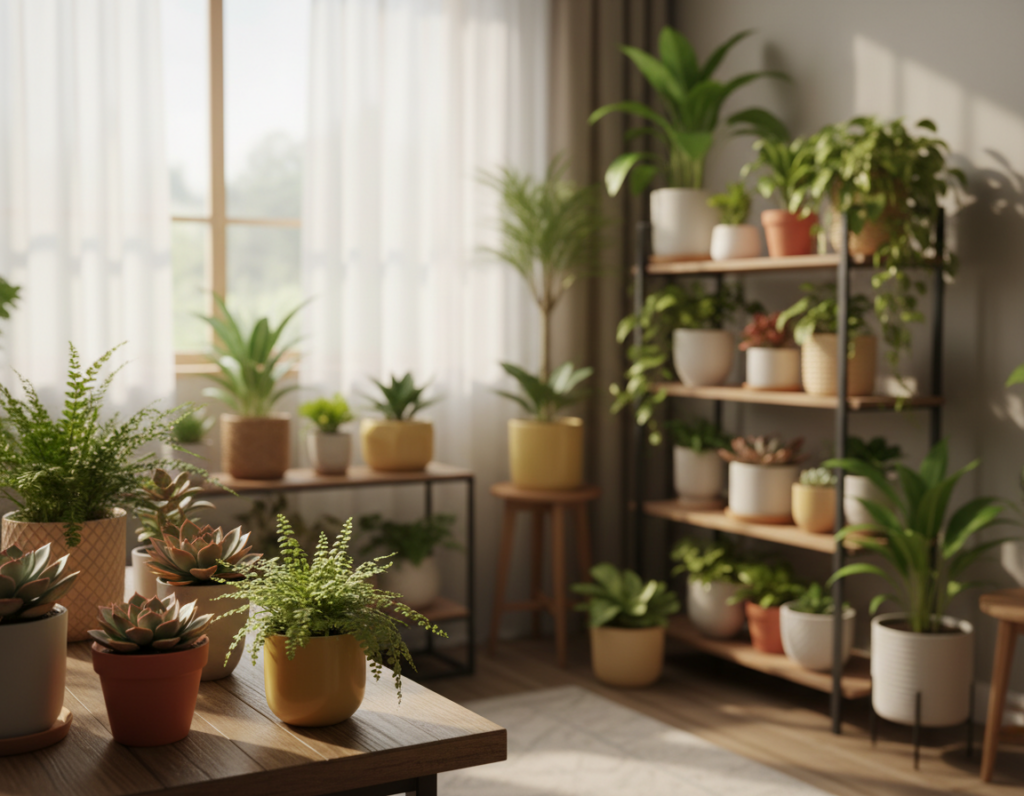
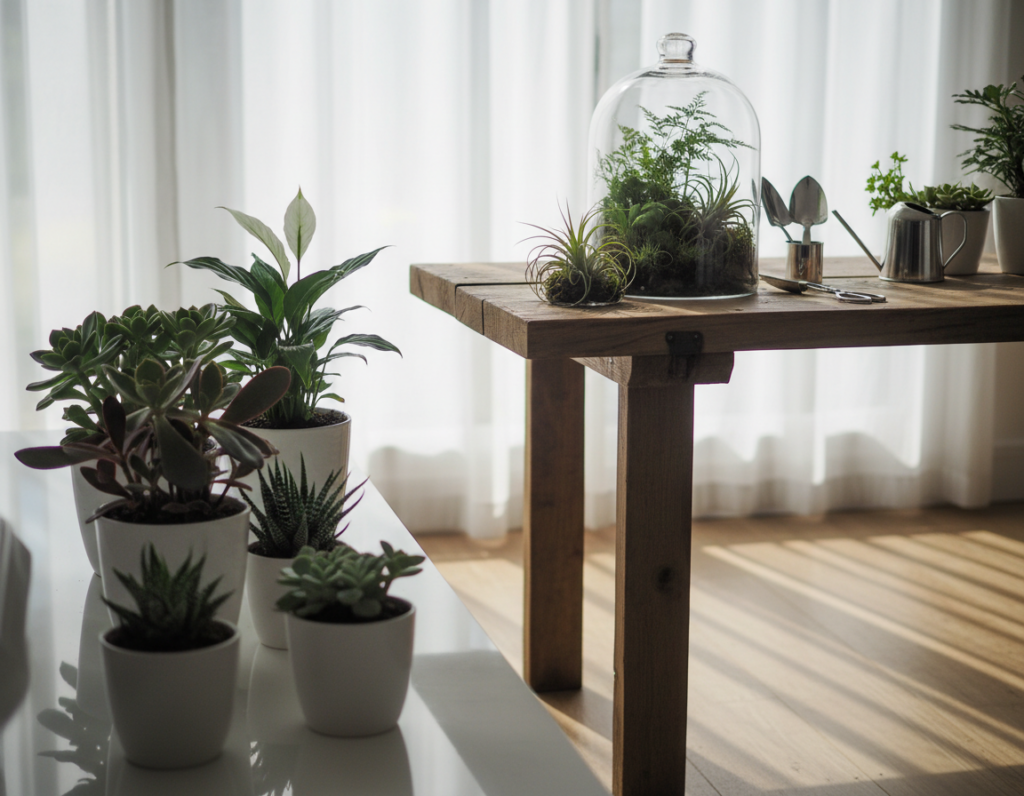
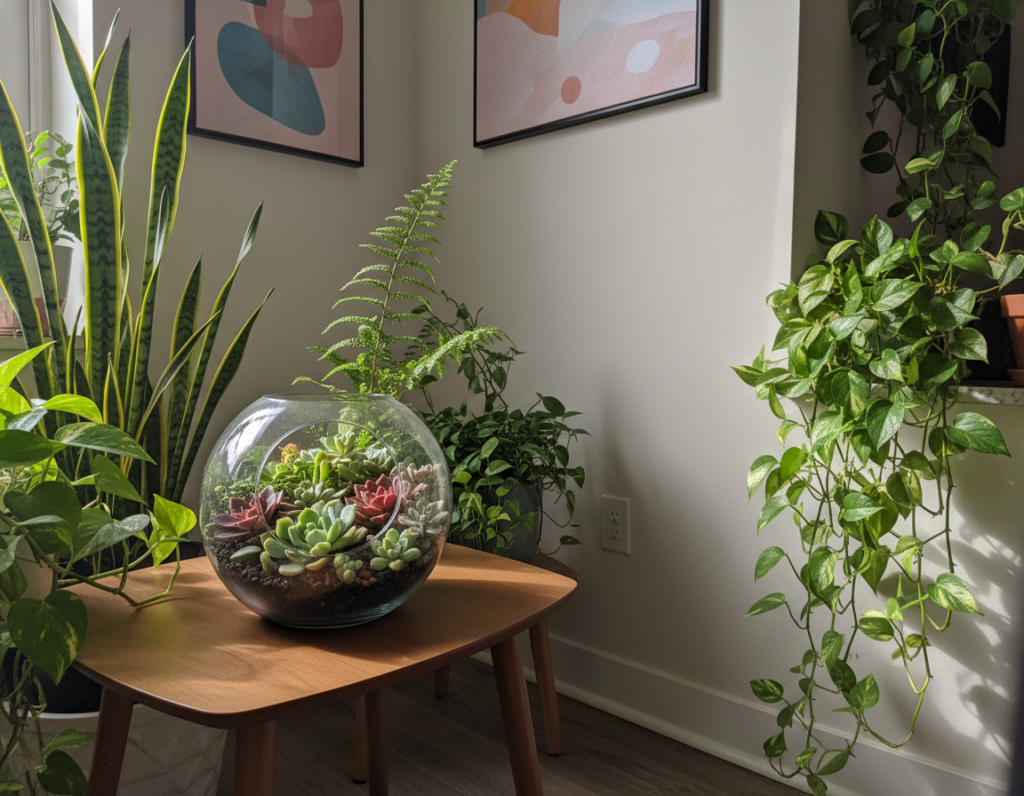
Hanging greenery can open up new space and mood in a home. When counters and windowsills are crowded, looking upward creates room and calm. Many trailing varieties show their best form when they are allowed to cascade from a pot or basket.
Indoor hanging displays bring texture and a layered look to tight rooms. Place a pot above a tall cabinet or suspend a planter near a sunny window to add depth. This approach lets each green specimen breathe and be seen.
With a few styling tips, any favorite vine or trailing species can become a focal point. Practical mounting, the right light, and selective pruning help a plant thrive while saving floor area. The result is an inviting, atmospheric corner that feels intentional and lived in.
Why Small Hanging Plants for Indoors Are Perfect for Compact Spaces
Maximizing vertical space transforms tight rooms into green, airy retreats. When floor area is limited, looking up is a quick way to add life without cluttering pathways. This approach also keeps curious pets away from delicate foliage.
Indoor hanging plants make use of ceiling and wall space that often goes unused. They suit studios, kitchens, and bathrooms where counter space is scarce. Choose trailing or compact varieties that cascade nicely from a pot or basket.
“Using vertical planters turns overhead space into a design feature and protects houseplants from pets.”
Not every species flatters a suspended container, so pick options that show off their growth habit. They can be displayed singly or grouped in a trio for a modern, layered look.
- Turn unused ceiling area into functional green space.
- Keep houseplants away from pets while freeing floor real estate.
- Create visual interest with macramé hangers or a clustered display.
For quick inspiration and practical tips on creative displays, see this guide on creative hanging indoor plants.
Selecting the Best Varieties for Your Home
Choosing the right varieties makes the difference between a struggling hanger and a thriving cascade. Consider light, humidity, and how much time someone will spend on care. Match a species to its spot and the result will be healthier green leaves and a better look.
Pothos and ivy varieties suit many homes. Scindapsus, often called pothos, likes semi-shade and needs water when the soil begins to dry. Epipremnum aureum, also known as dragon ivy, is one of the best indoor hanging options for low-light corners.
Pothos and Ivy Varieties
- Epipremnum aureum thrives in semi-shade and tolerates varied care.
- English ivy creates long, elegant vines that suit living room displays.
- Scindapsus gives heart-shaped leaves and easy maintenance.
Succulent Options for Sunny Spots
String of pearls prefers bright morning sun and offers unique, bead-like foliage. Succulents need well-draining soil and pots with drainage to avoid overwatered roots. Tradescantia, nicknamed the inch plant, grows quickly and adds color when given plenty of light.
Ferns for Humid Environments
Ferns and pitcher species enjoy humidity. Pitcher plants are carnivorous and favor bright light plus high humidity for dramatic blooms. The spider plant, Chlorophytum comosum, is low maintenance and safe around pets, making it a reliable hanging houseplants option.
Essential Care Tips for Thriving Hanging Greenery
A few steady habits keep cascades healthy and full of glossy leaves. Focus on light, water, and routine checks to maintain vibrant green leaves in any suspension.
Check soil moisture regularly. Remove a pot from its hanger and press the top inch of soil. If the soil feels dry, water slowly so excess drains away.
Place hydro grains at the pot base if drainage is limited. This helps catch extra water and reduces risk of root rot. Lighter species often grow faster and may need more frequent water.
“Inspect the root zone and soil humidity at least once a month to prevent surprises.”
- Use well-draining soil and the right pots to support long-term growth and steady humidity.
- When caring for plants like pothos or english ivy, let the soil dry slightly between waterings to avoid soggy roots.
- Guide trailing varieties such as string pearls so they fill their spot attractively.
- Feed houseplants during the growing season (March–October) to promote flowers and new shoots.
- Prune dead or weak stems to encourage fuller growth and healthier leaves.
Consistent plant care pays off: choose the right spot with matching light and check soil often to keep every hanging plant thriving.
Creative Ways to Display Your Trailing Plants
Creative displays lift trailing foliage into artful arrangements that enhance tight spaces. These approaches use vertical room areas and decorative supports to add texture without crowding the floor.
Utilizing vertical ceiling space lets a cluster of hanging plants create a green focal point above seating or a kitchen island. Use sturdy hooks rated to the pot weight and test each anchor before hanging.
Macrame and Decorative Hangers
Handmade macrame is ideal to hold pots and give a warm, crafted look to houseplants in a living room. Macrame pairs well with ceramic or woven pots and shows off trailing leaves.
- Hang from a curtain rod, shower rail, wooden beam, or coat rack if drilling is not an option.
- Consider the weight of soil and water when choosing hanging planters and anchors.
- Group several at varying heights to create a lush, layered look and improve indoor air quality.
“Always place each hanging plant where it receives the right amount of light and water for a healthy, lasting display.”
Managing Light Requirements in Different Rooms
Light is the most decisive factor in where a hanging botanical will thrive inside a home. Room orientation and window size determine how much direct or indirect light reaches each spot.
Some varieties tolerate dim corners: Scindapsus and pothos perform well with moderate light and suit rooms with filtered sun. Tradescantia and many succulents need brighter exposure to keep color and vigor.
Do not hang a suspension too high. When a hanging plant sits above window trim, it may miss daily daylight. Move a pot lower if leaves pale or stems stretch.
“Ensure each specimen receives plenty of light or add a grow lamp to supplement weak rooms.”
- Place low-light tolerant species in shaded areas and bright lovers near east or west windows.
- Use mirrors to reflect sun into darker corners and rotate the plant to promote even leaves.
- If natural light is limited, employ grow lights and pick a consistent spot that matches the plant’s needs.
Watering Techniques to Prevent Messy Spills
A reliable routine transforms watering time from chaotic to controlled for every hanging pot. Start by taking each hanging plant down and placing it over a sink or outdoors to water. Let excess drain fully before rehanging to protect floors and furniture.
Use the right pots and drainage to avoid standing water. Pots with drainage holes paired with a saucer or bucket catch overflow and keep soil healthy.
Using Self-Watering Planters
Self-watering hanging planters simplify care. Choose models with a clear gauge and an easy-access fill hole to stop spills and gauge reservoir levels at a glance.
- Take hanging plants down when you water and let them drip dry over the sink before rehanging in your home.
- Self-watering hanging planters have an easy-to-read water gauge and an access hole to prevent mess while caring for your plant.
- Always let the topsoil dry before the next watering to prevent root rot and keep leaves vibrant.
- Check light and temperature at the spot to set a proper watering schedule.
“Consistent watering habits help every hanging plant thrive and keep living spaces tidy.”
Supporting Growth and Pruning for Health
A routine of selective cutting and support makes a hanging display last and flourish. Regular pruning encourages new growth and keeps vines tidy. When a hanging plant gets too big, cut back the long stems and healthy shoots will resprout.
Prune to promote dense foliage. Remove dead tips and leggy stems to keep leaves full and compact. Pothos responds well to frequent trims and will quickly fill gaps.
Let the top of the soil dry before you water to avoid root rot. Check moisture by touch and only water when the soil dry rule is met.
- Use clips or a small trellis to guide vines toward the desired spot.
- Take cuttings to propagate new houseplants; see a helpful propagation guide.
- Ensure enough light if the hanging plant blooms, especially species like string of pearls that need bright exposure for flowers.
- Inspect regularly for pests or disease so problems are caught early and treated fast.
“Consistent plant care and gentle pruning help plants grow stronger and maintain shape.”
Styling Ideas for a Lush Indoor Oasis
Combine suspended foliage with grounded pots to craft a balanced, verdant scene.
Mix climbers and standing pots to shape a calm, layered indoor oasis. Place taller pots on the floor and let trailing stems fall from above to create depth and a cohesive look.
Use a hanging rack in the kitchen as a dual-purpose spot for fresh herbs and decorative houseplants. Styling at different heights in the living room creates a lush, professional display that changes the room’s mood.
- Match each plant to the right light and spot to keep leaves healthy.
- Choose varied pots—ceramic, woven, or macrame—to add texture and visual interest.
- Group several pieces in a large living room to form a dramatic focal point.
Proper care matters: water on a schedule, prune to shape, and wipe leaves to help light absorption. Ivy pairs well with mixed species and helps achieve a classic, full look.
“A layered display of hanging plant and floor pots turns any space into a peaceful green retreat.”
Safety Considerations for Pets and Households
Safety begins when a gardener checks toxicity and secures each pot out of a pet’s reach. A quick review of species avoids surprises and protects every household member.
Choose non-toxic options like the spider plant (Chlorophytum comosum) or Swedish ivy if curious cats or dogs live at home. Avoid English ivy and similar species that can cause harm.
Proper placement matters. Use sturdy hooks and position pots high enough to stop jumping pets. Secure cords and string so leaves and stems are not easy to grab.
“Always check the toxicity of any new hanging plant before adding it to your collection.”
- Research species like pothos before bringing them inside.
- Keep soil moisture balanced so curious animals are less tempted to dig.
- Pick safe plants such as string pearls alternatives only when non-toxic options are unavailable.
- If ingestion occurs, contact a veterinarian right away for guidance.
Good care and thoughtful display keep both greenery and pets healthy. Simple steps—research, secure pots, and steady water habits—make a big difference.
Conclusion
Selecting the right specimen and support transforms a simple pot into a lasting design feature. Choose indoor hanging plants that suit light and humidity to keep leaves glossy and the overall look cohesive in any home.
Use practical tips like correct hanging planters and regular pruning to encourage fuller growth. Epipremnum aureum is a reliable example that adapts to many spots and shows well when paired with secure hooks.
With the best indoor hanging choices and steady care, even a novice can keep hanging houseplants healthy. Pick a specimen that matches your light, use the right hanger, and enjoy the change it brings to your space.