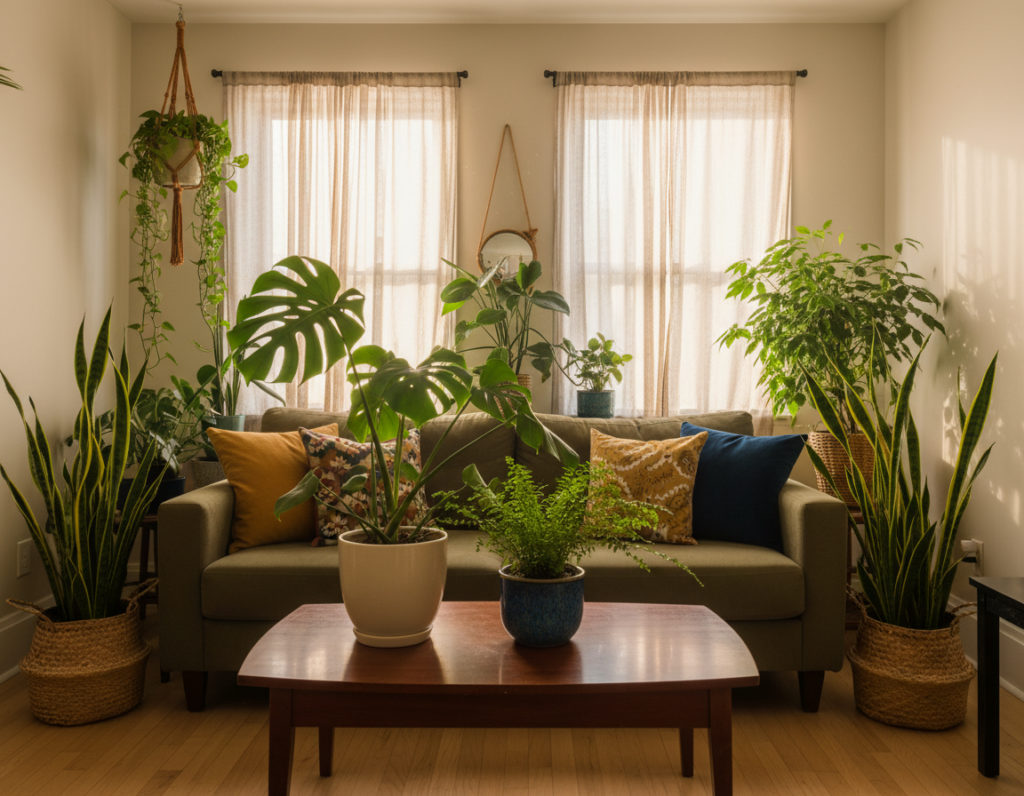
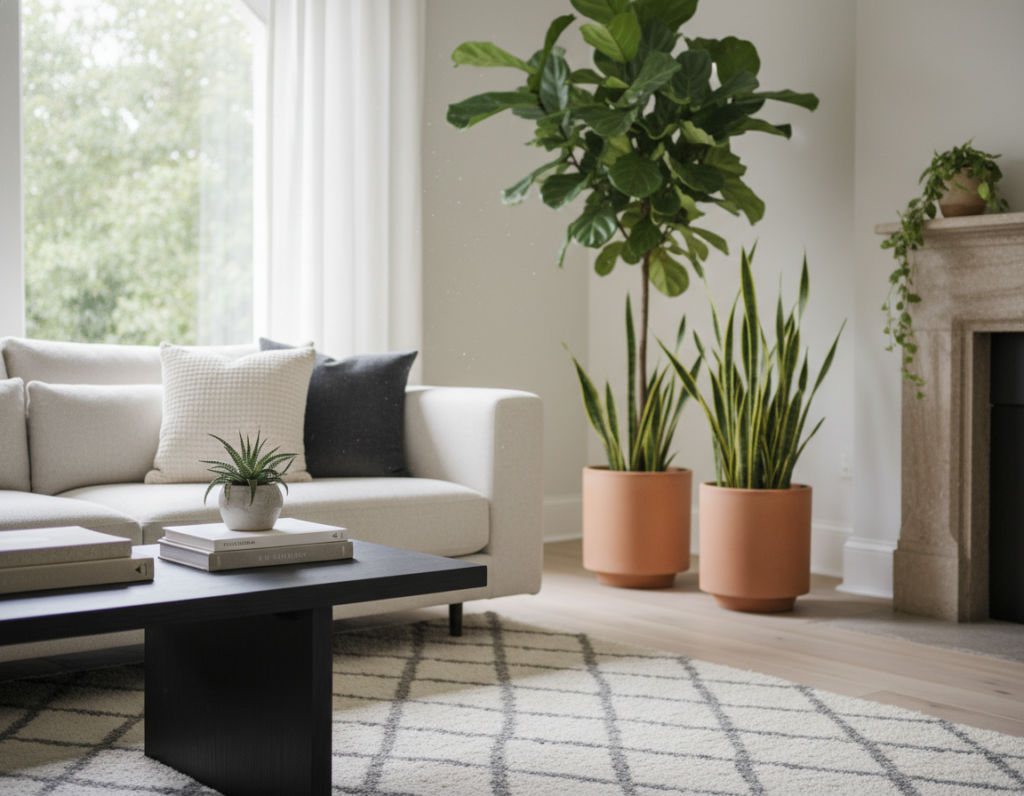
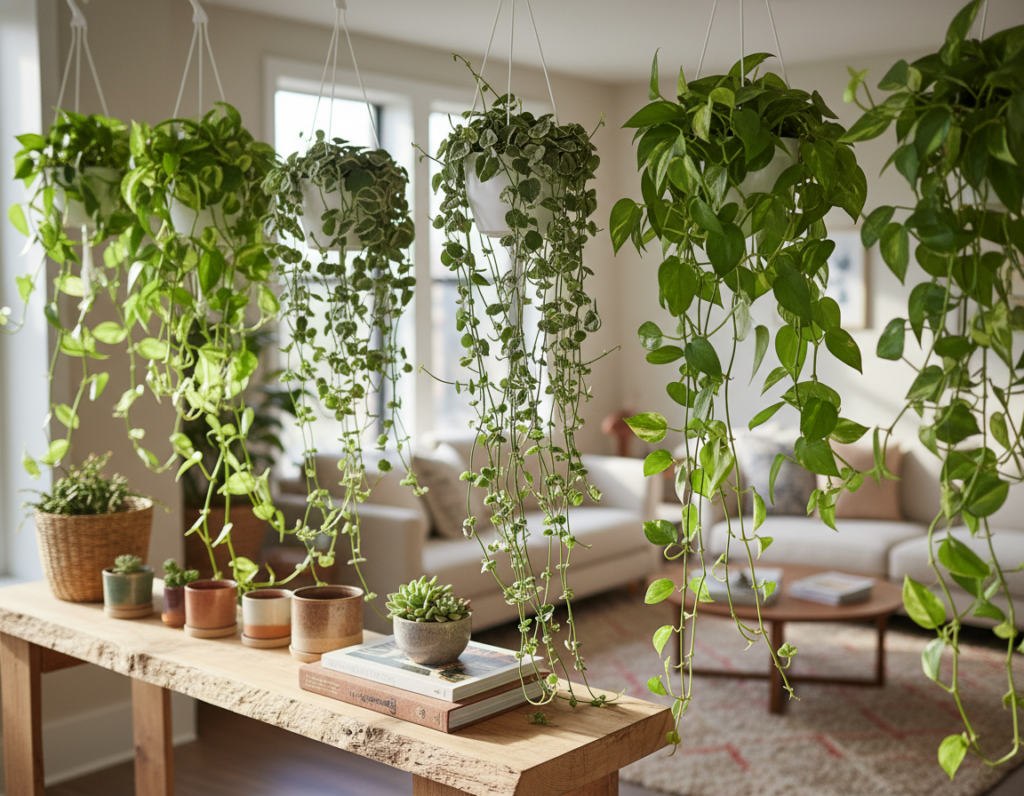
Choosing the right plants for small bedroom decor can turn a tight space into a quiet retreat. The Golden Pothos offers striking variegated leaves that brighten corners. The Aralia Fabian Stump adds soft, round foliage and a subtle purplish underside that creates visual depth.
A single bedroom plant can boost perceived space and calm the mind. Many homeowners report improved sleep and easier unwinding at night after adding a bit of green. Research also shows that some of the best bedroom specimens help refresh the air and support a healthier sleeping area.
With careful selection, these green companions fit shelves, hang near windows, or perch on a night table. They make a compact room feel intentional and serene without crowding the layout. This guide will help readers pick and place options that suit limited spaces.
The Benefits of Adding Greenery to Your Sleep Sanctuary
Bringing green life into a sleep space can instantly lower tension and make evenings calmer. It is proven that houseplants promote tranquility and peace within a personal sanctuary. A well-chosen plant also raises the visual appeal of a room and supports a calmer nightly routine.
These living accents act as simple air helpers. They can freshen the air you breathe at night and make the room feel cleaner. Many people report an easier transition into deep rest when greenery is nearby.
- Calming presence: Integrating plants into your bedroom fosters a nightly sense of calm.
- Cleaner air: A single plant can help refresh indoor air during sleep hours.
- Visual balance: Green elements in the home offer a gentle focal point that reduces stress.
Essential Factors for Choosing Plants for Small Bedroom Decor
Measure first, then pick. Measure floor, shelf, and windowsill space so a chosen specimen complements rather than crowds the room. This step guides the right choice between a tabletop variety or a taller specimen such as the Aralia Fabian Stump, which can slowly reach about five feet.
Space and Layout
Note traffic flow and furniture heights. A tall plant can anchor a corner, while a compact option fits a nightstand or shelf without blocking pathways.
Light and Temperature
Evaluate natural light and sunlight duration at different times of day. Some species need bright, indirect light; others tolerate dimmer corners.
- Soil and water: Check soil moisture needs before bringing a new specimen home and plan a watering routine.
- Room conditions: Consider humidity and temperature to support long-term health and air benefits.
- Care commitment: Match the choice to the household’s maintenance habits.
Best Low Light Varieties for Cozy Corners
Choosing species that tolerate dim conditions makes cozy nooks feel alive without fuss. One best choice as a bedroom plant is the Peace Lily (Spathiphyllum). It tolerates lower light, shows dark-green leaves, and often blooms delicate white flowers.
The Golden Pothos is an easy care option that thrives in bright, indirect light yet endures low light too. Its variegated leaves add a splash of color during the day and it tolerates varied light conditions.
Care note: Let the soil dry between waterings to prevent root rot. Dry waterings on a steady schedule help most low-light species stay healthy.
- Peace Lily: prized in the United States for blooms and membership in the Araceae family.
- Snake plant: an excellent, low-effort addition that tolerates different light conditions.
- Golden Pothos: bright variegation and simple maintenance make it a versatile pick.
Air Purifying Selections for Better Nightly Rest
Selecting air-cleansing varieties can change nighttime air quality and support deeper rest. Choosing the right specimen helps keep the room fresh while not crowding the layout.
The Role of Oxygen Production
Healthy greenery produces oxygen and filters common toxins. This supports respiratory comfort and can help improve sleep quality during the night.
The Peace Lily is a standout houseplants choice because it filters VOCs and adds a sense of peace. It tolerates low light and needs balanced soil and modest water to stay vigorous.
- Incorporating air purifying foliage into the bedroom ensures cleaner air through the night.
- Wipe leaves regularly so the plant can exchange gases and make more oxygen.
- Research links a healthy specimen in the room to better sleep by regulating the air you breathe.
“By choosing the right plant, one creates a healthier environment that supports the body’s natural need for rest every single night.”
Hanging Plants to Maximize Vertical Space
Elevating a specimen into a hanging planter opens up the floor and lifts the visual plane of the space.
Using suspended baskets lets one keep surfaces clear while adding texture and color high on the wall. This approach makes a compact room feel taller and more open.
Spider plants are a top pick for hanging baskets. They release oxygen at night, which can support more restful sleep. Their arching leaves form a soft cascade that complements bedding and shelves.
A trailing pothos plant also works well in a high corner. It keeps the floor free and helps refresh the air without demanding constant care.
- Install a secure hook and a lightweight hanging planter to save surface area.
- Place specimens where they receive indirect light and can drape safely over furniture edges.
- Designers often use hanging specimens to draw the eye upward and enlarge perceived volume.
Succulents and Small Potted Options for Nightstands
Compact succulents bring low-maintenance life to a nightstand without taking much room. These choices suit tight space and offer an easy care garnish that improves air and mood near the bed.
Aloe vera benefits: Aloe vera is prized as a bedside plant and is also known for soothing gels. It prefers that the soil dry completely between waterings. This makes aloe vera an ideal bedroom plant for someone who wants low effort and a useful specimen.
Jade plant care
Jade plants develop thick, oval leaves and can live for years with steady care. Make sure the jade gets plenty of sunlight to keep leaves glossy during the day. Water sparingly and use well‑draining soil to avoid root issues.
Echeveria tips
Echeveria is common on desks thanks to its small size and easy care. It adds color and neat rosettes without crowding the nightstand. Be careful not to overwater; allow the soil dry between waterings to prevent rot.
- Quick picks: Aloe vera, jade, echeveria, Chinese Money Plant fit well on a nightstand.
- Keep pots small, place near indirect light, and avoid daily watering.
- “Choose hardy, low‑water options to enjoy color and calm at night.”
Understanding Light and Watering Requirements
Light level and watering rhythm determine whether a bedside leaf stays vibrant or wilts. Knowing each specimen’s needs helps keep leaves glossy and soil stable.
Match exposure to habit. Many enjoy adding a snake plant because it tolerates drought and thrives in indirect light. It suits a room that sees occasional care without stressing the specimen.
Spider plants are another excellent pick. They produce oxygen at night, which can support better sleep and fresher air in the bedroom. Monitor soil moisture and adjust water to keep their arching foliage healthy.
- Understand light and water needs to maintain a vibrant indoor collection.
- Provide gentle indirect sunlight and avoid harsh, direct beams.
- Follow a steady watering schedule to prevent over- or under-watering and protect root health.
Simple attention to light, soil, and watering conditions preserves each plant’s vigor and helps them stay a calming part of the bedroom night routine.
Creative Styling Techniques for Tiny Bedrooms
Layering live accents across vertical surfaces makes a tiny room feel curated and airy. Use wall-mounted planters and narrow floating shelves to take advantage of unused height. This keeps floor traffic clear and gives the space a tidy focal plane.
Group a mix of varieties on one shelf to add a splash of color and contrast in leaves. A balanced cluster looks intentional and reads like a single decorative piece that brightens the room.
Ensure each specimen gets enough light. Rotate pots so all sides receive brief exposure. Check soil and water habits to avoid stress and keep foliage glossy.
Consider a compact hanging system to save surface area. Suspended pots create a canopy effect that improves perceived volume and can help the air feel fresher at night, which may aid sleep.
- Match pots to the home: choose colors and textures that echo bedding and furniture.
- Use vertical tiers: stack small planters on pegs or ladder shelves to maximize space.
- Keep care simple: pick a reliable specimen near a light source and stick to a basic watering routine.
Common Maintenance Mistakes to Avoid
Even a hardy specimen can struggle when basic care steps are missed. This short guide helps readers spot trouble and act fast so greenery remains a calming part of the room.
Signs of Overwatering
Check soil first. One of the most common mistakes is overwatering, so you must make sure to check that the soil is dry before adding water.
Yellowing leaves often mean the specimen is getting too much water or not enough indirect light to thrive. Soft stems, a musty smell, or wilting despite wet soil are clear warning signs.
- Clean dust from houseplants regularly so leaves can breathe and exchange air efficiently.
- Set reminders for waterings and stick to a routine to avoid rushed daytime or night watering that causes stress.
- Allow soil to dry between cycles; this protects roots and keeps the room’s greenery healthy.
Proper care keeps bedroom plants a source of joy and supports better sleep every night. Simple checks of light, soil, and water prevent most problems and save space and effort long term.
Pet Friendly Choices for Your Bedroom
Pet-safe greenery lets families enjoy a lush night space without added worry. Choosing non-toxic options keeps curious cats and dogs safe while preserving the calm of the room.
The Chinese Money Plant (Pilea peperomioides), also known as the missionary plant, is a popular and gentle choice. It fits well on a nightstand or shelf and tolerates a range of light conditions.
Selecting pet-friendly specimens lets a household enjoy clean air benefits without worry. Many safe varieties, including certain palms, thrive in indirect light and need simple soil care.
- Pick non-toxic options to protect curious family members and maintain restful sleep.
- Use a mix of tabletop and hanging choices to save space while keeping surfaces clear.
- Choose hardy types like snake or spider varieties only if they are confirmed safe, and always check plant labels before bringing one home.
With careful selection, the room can be both inviting and secure. A thoughtful choice preserves air quality and adds a gentle living touch to the home.
Conclusion
A single well-positioned specimen can change how the space feels and how one breathes while asleep. Adding the right plants is one best way to create calm, promote peace, and support better sleep each night.
Choose options that match light and space so they thrive and keep the air fresh. With simple care, these bedroom plants deliver both beauty and measurable benefits.
Whether someone picks a hanging spider plant or a sturdy snake plant, the room will feel more restful and cleaner at night. Start today and enjoy the soothing rewards of living greenery.