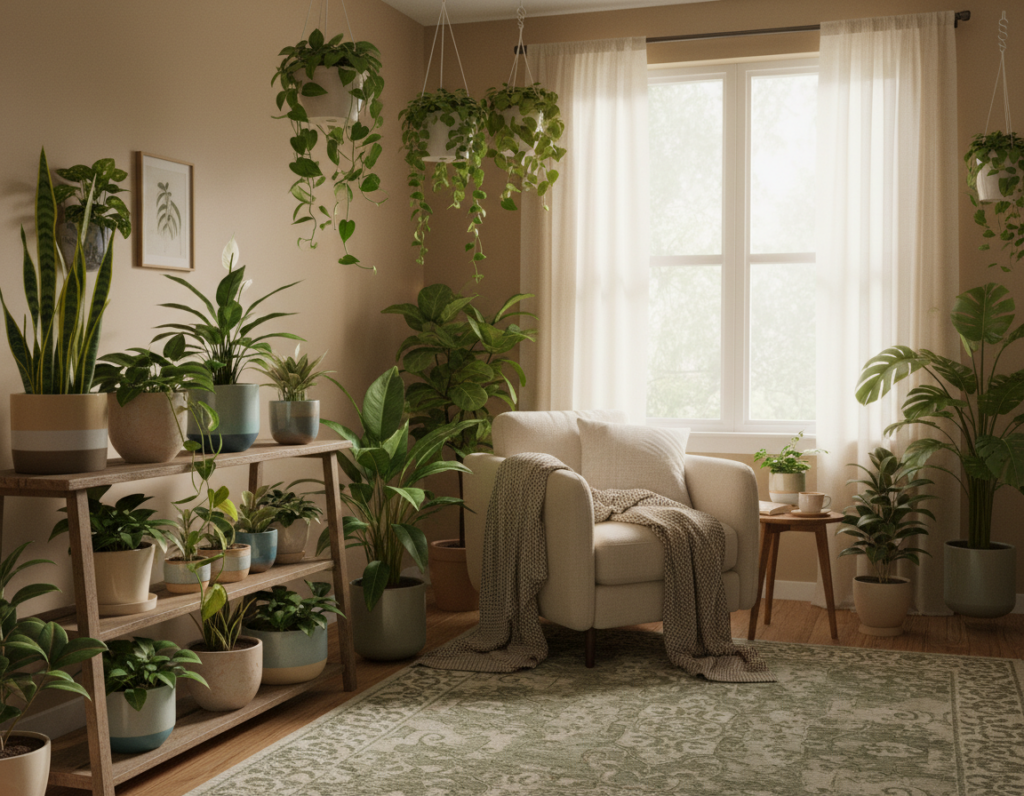
The author once struggled to keep a wide collection alive despite years of gardening outdoors. After two years of expert advice at a local garden center, their houseplant choices finally began to thrive.
Many online guides claim that ficus or money tree varieties survive in dim light, but that is often misleading. The real secret was matching each plant to the exact light level and room conditions.
A thriving specimen in the right corner can change a living room more than most accessories. It brings color and a sense of life home without constant worry.
By choosing species that truly suit low light spots, homeowners replace frustration with steady growth.
Key Takeaways
- Choosing the right species beats popular myths about survival in dim light.
- Expert guidance helped the author revive a long streak of failed house plants.
- Light assessment is the first step to making corners and living rooms green.
- Some varieties will reliably thrive low light and reduce care demands.
- A healthy plant lifts the mood and style of a home more than many decor items.
Understanding Low Light Conditions
Not all corners are equally bright; some provide just enough light to keep greenery healthy. Assessing how much natural light a room receives helps match a plant to each spot.
Defining Indirect Light
Indirect light means sunlight that is filtered through curtains or reflected off walls. It is not direct sunlight, yet it supplies usable energy for growth.
The Importance of Natural Light
Homes with east or west exposure often give better natural light than north-facing rooms. If a space needs a lamp on all day, a grow light may be necessary to supplement sunlight.
Remember: low light does not mean no light. Moving a plant seasonally helps it track changing daylight and stay healthy.
| Typical Room | Light Conditions | Action |
|---|---|---|
| North-facing hall | Filtered, low light | Choose tolerant species; avoid direct sunlight |
| East or west living room | Moderate morning or evening light | Good for most indoor plants; rotate occasionally |
| Corner far from window | Less light, shaded | Use supplemental plant light if needed |
Why Many Popular Houseplants Fail in Dim Rooms
Even sturdy sellers like ficus and rubber trees will decline in persistently dim rooms. Greenhouse experts confirmed these common choices often do not get enough usable light in a typical home.
Tolerance is not the same as thriving. A species may survive brief gloom but will not grow where chlorophyll production is limited. Too little sunlight causes leaf drop, slow growth, and eventual death of the houseplant.
Many online guides list multiple low light mean options without checking actual room light conditions. This mismatch leads to wasted time and expense. Choosing species that suit the environment prevents repeated loss.
| Common Choice | Typical Result in Dim Rooms | Practical Tip |
|---|---|---|
| Ficus varieties | Leggy growth, leaf drop | Place near bright window or avoid |
| Money tree | Slow decline, pale foliage | Use supplement light or choose another |
| Rubber tree | Stunted growth, brown edges | Match species to true light conditions |
Understanding what light mean in your rooms is the first step to keeping indoor plants healthy.
The Best Low Maintenance Indoor Plants for Shade
She sought tall, sculptural trees to anchor a living-room corner and turned to a shortlist that garden experts trust. This guide highlights four fail-safe choices that suit dim areas and require minimal fuss.
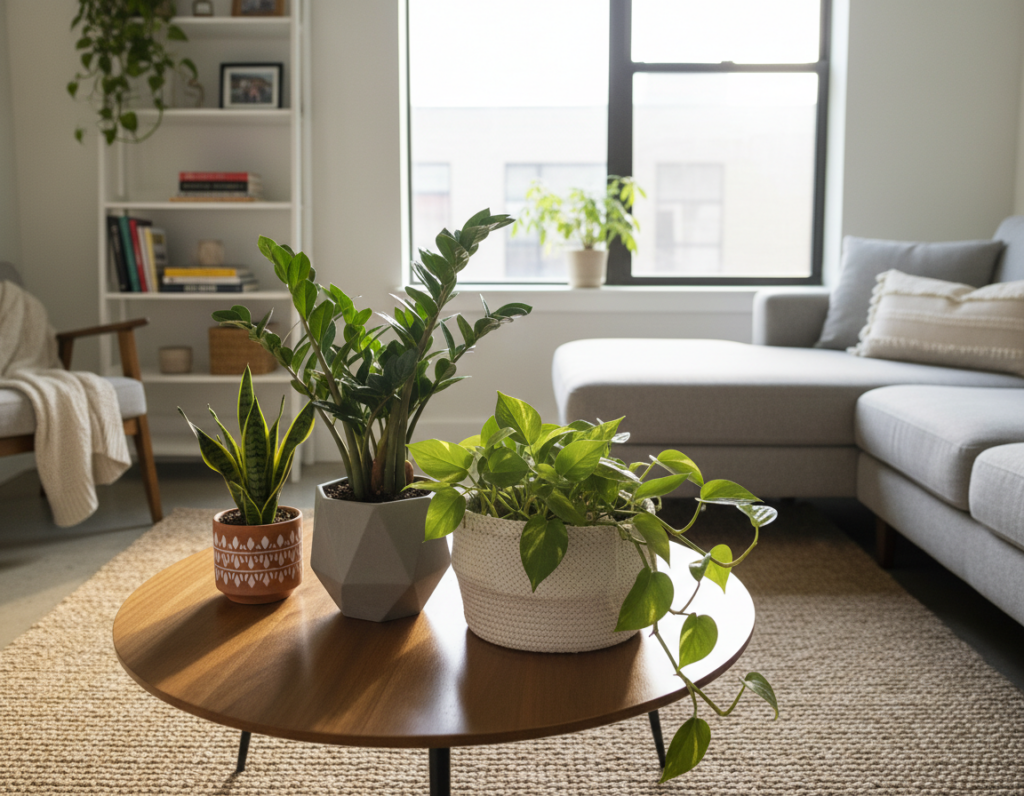
Recommended species: Dracaena, Snake Plant, Zamioculcas (ZZ), and Aspidistra. Each is known to grow in modest light and to give rooms height or texture without frequent care.
Experts warned against popular suggestions like ficus or palms in dim rooms; those often fail. Choosing a species that matches the exact environment is a safer approach than forcing a plant to adapt.
Below is a quick comparison to help select an option that fits size, look, and easy care needs.
| Species | Best Feature | Typical Light Needs | Care Level |
|---|---|---|---|
| Dracaena | Sculptural height, tree-like form | Moderate to low light | Easy care |
| Snake Plant | Architectural leaves, upright habit | Very tolerant of low light | Very easy care |
| Zamioculcas (ZZ) | Glossy foliage, drought tough | Low to moderate light | Easy care |
| Aspidistra | Hardy, stays green in gloom | Low light | Low effort |
Choosing any of these will help a houseplant thrive without constant attention. With a careful match to light and room conditions, a few easy care additions can transform a home corner into a lasting focal point.
Snake Plants for Architectural Interest
A snake plant’s bold silhouette can define a space while asking very little in return. It tolerates irregular watering and brief neglect, making it ideal when light is limited.
Placement and Styling
The author often sets a tall specimen in a simple ceramic planter to balance a console or anchor empty corners. This creates a calm, modern accent in the living room without clutter.
- Design impact: The upright leaves give architectural form and draw the eye.
- Resilience: These plants tolerate low light and handle temperature swings around the house.
- Care tip: Water sparingly — overwatering causes most failures.
- Feed lightly: A fertilizer stick once or twice a year keeps growth steady.
Choosing a snake plant adds a sculptural, easy-care green that fits many corners and styles. It suits homeowners who want bold form with minimal fuss and dependable performance among indoor plants.
Zamioculcas for Glossy Foliage
A Zamioculcas can seem almost indestructible, surviving months of neglect with glossy, deep-green leaves.
Its resilience is notable: the ZZ will thrive low light and tolerate irregular watering. It stores moisture in thick rhizomes, so missed waterings rarely cause a problem.
The plant’s dark, reflective leaves help a dim room feel brighter. Placed near a fireplace or on a basement shelf, a ZZ adds structure without needing constant care.
It suits dry climates but also welcomes the slight humidity in many homes. That balance makes it a reliable choice when someone travels or forgets routine chores.
“Because its foliage reflects light, the Zamioculcas becomes a simple way to lift a room’s mood.”
- Design tip: Use one tall specimen to anchor built-ins or a mantel.
- Practical benefit: The plant survives sporadic attention and helps rooms appear livelier.
- Care note: It prefers indirect light and occasional watering; avoid soggy soil.
Aspidistra as a Hardy Classic
The cast iron plant earned its nickname by surviving in corners other species abandoned.
Aspidistra is prized because it will tolerate low light and poor conditions while staying quietly green. Its deep, slightly arching leaves give rooms a classic, timeless look. It pairs well beside antique wood and layered textiles, where it adds calm structure without fuss.
Practical uses: place an Aspidistra near a mantel, in a hallway, or beside a bookcase that sees little sun. It suits homeowners who want a reliable plant that does not demand attention.
| Feature | Benefit | Best spot in the home |
|---|---|---|
| Cast iron toughness | Survives neglect and varied conditions | Dim hallways, entryways |
| Deep green leaves | Timeless, elegant aesthetic | Next to antique furniture |
| Easy care | Rare watering and little fuss | Rooms that challenge other indoor plants |
Trust the Aspidistra when a corner feels impossible to green. It will tolerate low light, restore a tired space, and reward minimal care with steady presence.
Philodendron Varieties for Trailing Growth
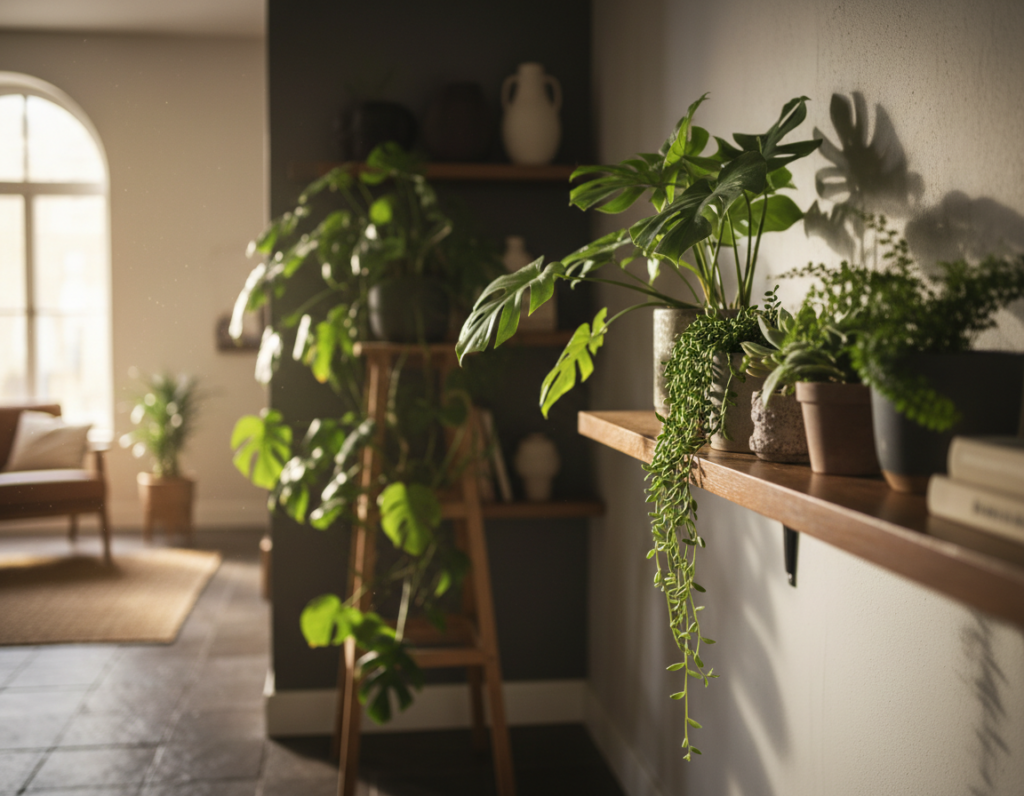
A cascade of philodendron leaves can turn an ordinary ledge into a lush, layered focal point.
Philodendrons tolerate medium to low indirect light and adapt to different rooms with ease. They trail beautifully from shelves or built-ins, softening hard lines and creating a collected look.
Versatility in Different Rooms
These plants moved well between living areas, bathrooms, and bedrooms when humidity stayed steady. In spaces with moderate humidity they kept glossy foliage and a tidy habit.
Managing Growth Rates
In darker corners the growth rate slowed, but leaves stayed full with minimal effort. It worked best to let the soil dry slightly between waterings to avoid root stress.
- Design benefit: Trailing stems add depth and soften shelving.
- Care tip: Allow soil to dry slightly between waterings.
- Origin note: Native to tropical forests, they prefer consistent humidity and indirect light.
“A well-placed philodendron creates motion and warmth without demanding constant care.”
Dracaena for Sculptural Height
A tall Dracaena became the author’s answer to an empty living room corner that needed presence rather than fuss. She placed it where a balcony roof cut available light, yet the specimen has thrived for two years.
Growth proved steady: the plant added about a foot and produced multiple new leaves in that time. This steady progress shows Dracaena can perform where many trees struggle.
The author favors Dracaena over more delicate trees because it asks for less bright light and fewer interventions. It delivers vertical form without constant attention.
- Dracaena adds sculptural height to corners while remaining a reliable houseplant.
- It stands as a taller alternative to a snake plant when a dramatic, tree-like presence is desired.
- Placing it where light is modest but steady kept the specimen happy and growing.
“A single Dracaena transformed the corner into a defined, living focal point without needing bright sun.”
Devil’s Ivy for Hanging Displays
A trailing vine can add instant softness to a shelf while needing little vertical space. Devil’s ivy adapts well to bright, semi-shaded, or shaded locations, which makes it ideal for hanging displays in many rooms.
Placement and humidity: This plant enjoys humidity, so a bathroom or near a steamy kitchen helps it thrive. In those spots the leaves stay glossy and healthy with minimal fuss.
Safety Considerations for Pets
Exercise caution. Devil’s ivy is poisonous and must be kept out of reach of children and pets. Hanging the plant high reduces the risk of curious mouths finding foliage.
Growth slows in darker locations, which can be an advantage. Slower growth means fewer pruning sessions and an easier time keeping the plant away from pets.
- Adaptable: tolerates a range of light levels, including low light spots.
- Humidity friendly: does especially well in moist rooms.
- Manageable size: regular pruning keeps vines tidy and contained.
- Leaf choice: darker-leaved varieties perform better in dimmer areas.
| Feature | Benefit | Practical tip |
|---|---|---|
| Broad light tolerance | Works in bright to shaded rooms | Hang where trailing can be seen but out of reach |
| Humidity preference | Glossy, healthier leaves in moist air | Place near showers or sinks when possible |
| Toxicity | Risk to pets and children | Mount high and label clearly |
“Keep Devil’s ivy high and pruned; it offers beauty but requires respect around pets.”
Essential Care Tips for Shaded Environments
Simple routines often make the biggest difference to plants kept in darker corners. He should check soil with a finger before watering. If the soil feels damp an inch down, waiting prevents root rot.
Water sparingly: many species prefer to dry slightly between waterings. Overwatering is far more common than underwatering and causes most failures.
Rotate specimens every few weeks so growth stays balanced. Wiping dust from leaves helps them absorb the limited light more efficiently.
If growth slows or leaves yellow, reassess the room’s light and humidity. Even species from tropical forests need steady conditions to thrive at home.
“Check soil, wipe leaves, rotate regularly — small steps keep foliage healthy.”
- Check soil moisture before watering to avoid overwatering.
- Keep leaves dust-free so sunlight can reach the leaf surface.
- Rotate pots to encourage even growth toward available light.
- Monitor humidity and signs of stress; peace lily and other easy care picks still need attention.
| Action | Why it matters | Quick tip |
|---|---|---|
| Soil check | Prevents root rot from excess moisture | Insert finger 1″ down before watering |
| Leaf cleaning | Improves light absorption | Wipe weekly with a soft cloth |
| Rotate regularly | Promotes even growth | Turn pots 90° every 2–4 weeks |
Managing Soil Moisture and Watering Habits
A reliable fingertip test prevents many watering mistakes that send stems and roots into trouble. He or she should press a finger an inch into the soil; if it feels damp, wait. This simple check is the best way to know when a plant needs water in dim rooms with limited light.
Overwatering is the most common cause of decline. Let the soil dry slightly between waterings and avoid a strict schedule. In practice, slightly waterings only when the top inch is dry keeps roots healthy and reduces rot.
Wiping dust from the leaves improves light capture and limits pests. A soft cloth once a month keeps foliage clean and helps the plant use available light more efficiently.
Remember: species that tolerate low light have slower metabolisms and need less water. Monitor humidity and leaf condition; wilted or curled leaves can signal thirst, but always verify soil moisture first.
“Check soil, wipe leaves, and let pots dry slightly — those small steps prevent most failures.”
- Manage soil moisture as the top care priority.
- Use the fingertip test before watering.
- Keep leaves dust-free to boost light absorption.
The Role of Supplemental Lighting
Supplemental lighting lets a corner that never sees sun still support steady growth.
When a room has less light, artificial fixtures supply the red and blue spectrums vegetation needs to photosynthesize and flower. Fluorescent bulbs run cooler and suit many setups, while modern LEDs are powerful and efficient though sometimes pricier.
She placed lights at a modest distance; powerful LEDs need not sit inches from leaves. Keeping a light cycle that mimics day and night is important because darkness lets a plant use oxygen at night and reset its metabolism.
Understanding that low light mean light is not the same as no light helps set realistic light conditions. If a room cannot receive sunlight, an appropriate plant light is essential so specimens can thrive.
- When your home has less light, use LEDs or fluorescent bulbs to help plants grow.
- Avoid placing artificial lights where they produce direct sunlight–like heat spots that can burn leaves.
- Choose the right light mean light and schedule to support growth through winter months.
“Supplemental light fills gaps where natural light cannot reach and keeps foliage healthy.”
Conclusion
Success with tricky corners often comes down to matching a species to available light and a simple routine. Choosing the right low light options turns dark hallways or a shadowed living room into calm, green spaces that feel alive.
Don’t be discouraged by past failures with many plants. With modest care, a snake plant or a peace lily can thrive and reward patience. Consider this list of 10 best low-light indoor plants to find the right match.
A thriving houseplant is the best accessory to bring life home. Avoid forcing unsuitable choices, keep care simple, and enjoy how greenery changes rooms and lifts the mind.