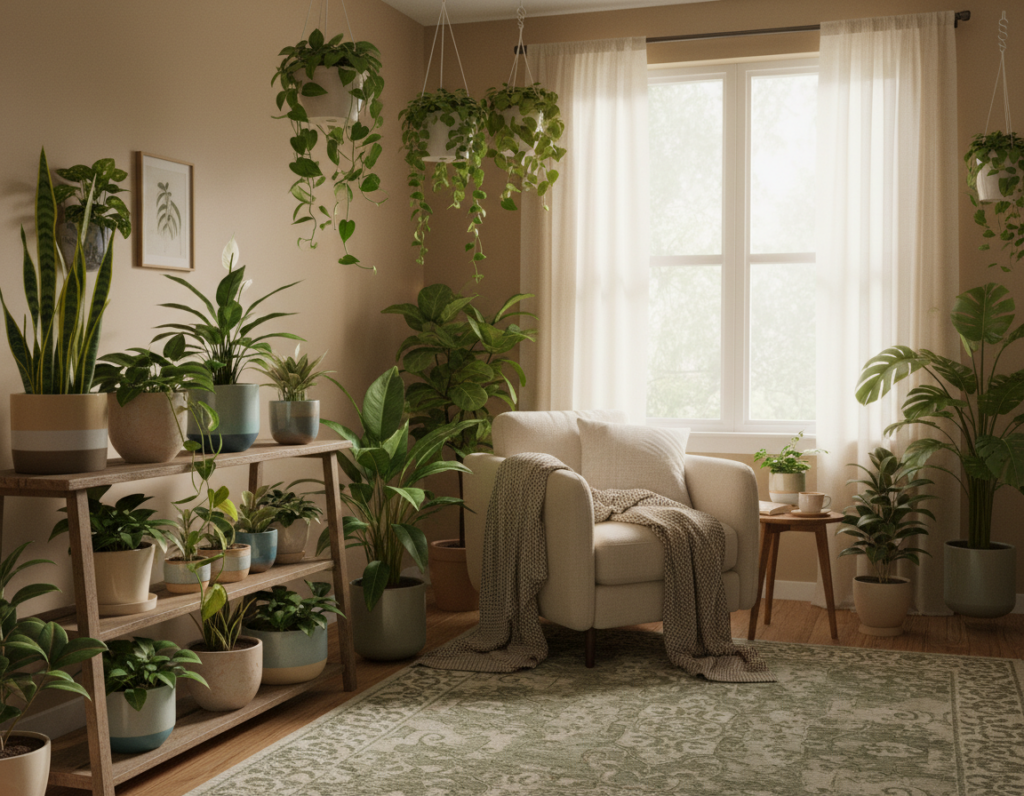
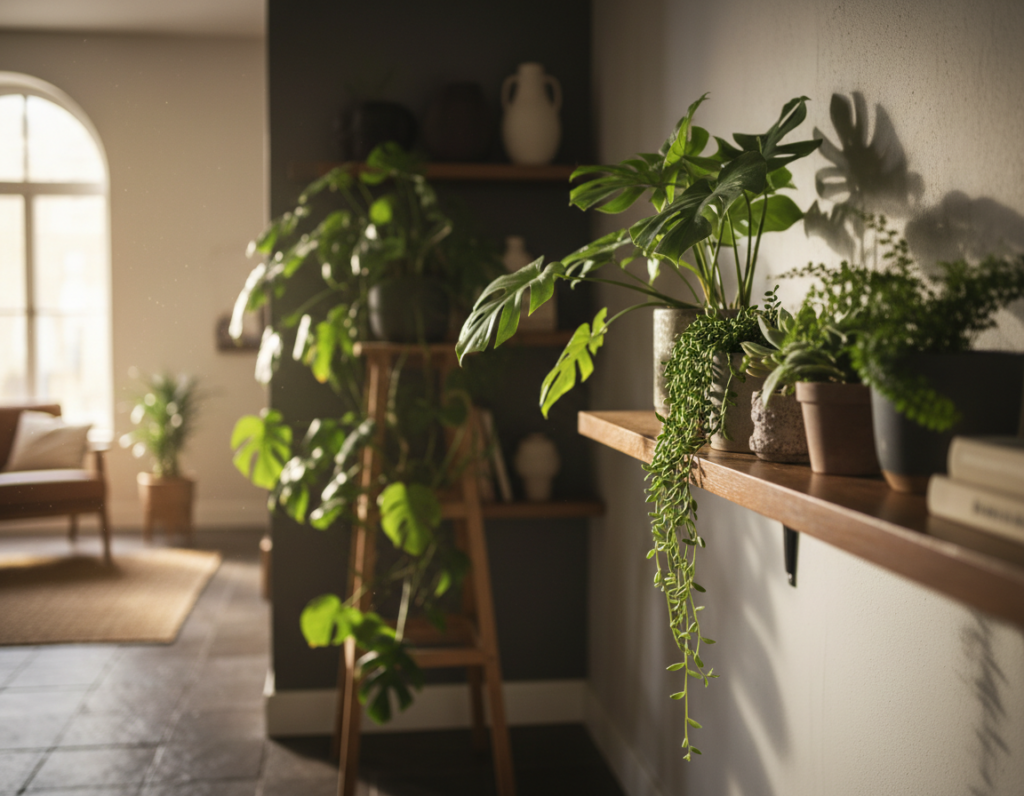
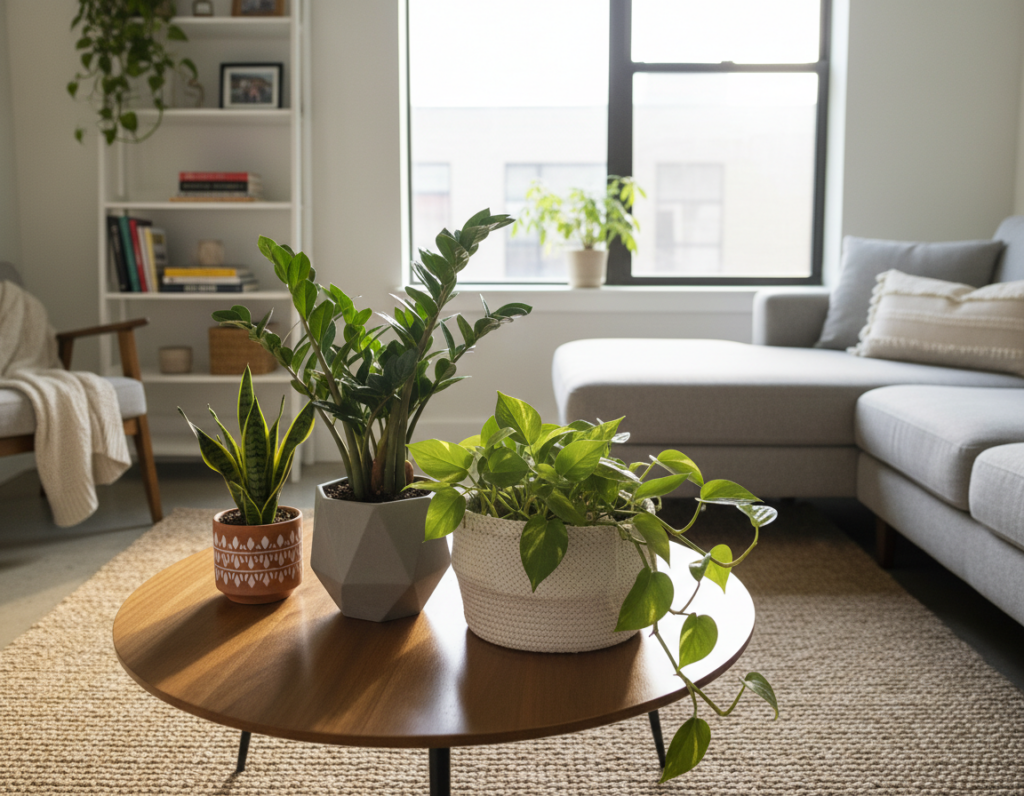
Transforming a compact urban flat into a luxurious retreat starts with smart botanical choices. In 2026, designers lean on curated greenery to add depth, texture, and a curated feel that reads as high-end. They use scale, finish, and placement to make rooms feel larger and more intentional.
Choosing a few well-styled houseplants changes perception. A carefully chosen specimen anchored in a quality container signals a considered, professional look. The result is a home that feels curated without clutter.
This guide shows how to pick and style botanical accents so tiny rooms look polished and expensive. It focuses on texture, proportion, and simplicity to keep spaces clean and upscale while letting nature add warmth.
Key Takeaways
- Strategic greenery adds depth and a luxury feel in limited space.
- Quality containers and placement create a curated, expensive look.
- One or two well-chosen specimens beat many small extras.
- Texture and scale matter more than quantity.
- Styling that emphasizes simplicity keeps the space clean and upscale.
The Appeal of Biophilic Design in Modern Apartments
Designers in 2026 treat leafy accents as functional decor that supports health and style. The biophilic trend now positions plants as more than decoration: they improve air quality and lift everyday mood. This approach reframes the living area as a restorative zone amid urban bustle.
Adding greenery to a small room helps bridge the gap between city life and nature. A considered garden corner can make the entire space feel larger and more inviting.
Pros choose specimens with purpose. Each plant can purify air, add sculptural texture, or anchor a design scheme. Intentional placement creates a cohesive, high-end look.
“Even a single, well-placed plant can redefine the energy of a room, proving that quality matters more than quantity.”
- Function: Better air and calm moods.
- Form: Sculptural foliage adds depth.
- Fractional impact: One quality specimen often outperforms many small extras.
| Benefit | Design Tip | Result |
|---|---|---|
| Air purification | Choose species known to filter VOCs | Cleaner, healthier home atmosphere |
| Visual texture | Pick one sculptural specimen per focal wall | Perceived larger space and depth |
| Mood support | Cluster greenery near seating or work zones | Calmer, more productive living |
Selecting Indoor Plants for Small Modern Apartments
Pick specimens that deliver visual impact while occupying minimal table or shelf room. This approach keeps the living area airy and intentional.
Trailing varieties like the Falling Arrows® Champaign Reign™ Syngonium podophyllum reach about 12″ high with vines up to 72″ long. It is a perfect choice for a tabletop pot where green leaves can spill softly over edges.
Trailing Varieties
Many trailing types are forgiving of variable conditions and help a room feel lush without taking floor space. Adding hanging baskets to your shopping cart is a simple way to add vertical interest.
Compact Foliage
The Living Lace® Hurricane bird’s nest fern offers twisted, sculptural leaves and grows 8″–24″ tall. It thrives in higher humidity and is a good choice for a bathroom shelf.
- Most small specimens prefer bright, indirect light to keep foliage vibrant.
- Always check soil moisture before you water to avoid overwatering.
- Mix leaf shapes to create a curated, professional look on a table or desk.
| Specimen | Best Spot | Why Choose |
|---|---|---|
| Falling Arrows® Syngonium | Tabletop, hanging basket | Long trailing vines, dramatic fall |
| Living Lace® Bird’s Nest Fern | Bathroom shelf | Textured leaves, humidity lover |
| Compact foliage mixes | Small table or desk | Style without crowding space |
Low Light Champions for Dim Urban Spaces
Shaded nooks reward thoughtful selection with durable specimens.
The ZZ plant features waxy, deep green leaves and stores water in thick rhizomes. It tolerates very low light and is a reliable choice for windowless bathrooms or narrow hallways.
The snake plant offers vertical, sword-like foliage and continues to produce oxygen at night, making it ideal in bedrooms. Both species need less frequent water than brighter-site varieties.
The Cast Iron Plant rounds out this group. It survives darker corners where other species struggle and requires minimal care.
- Let soil dry between waterings to avoid root issues.
- Wipe leaves occasionally to improve the small amount of light they receive.
- Choose robust specimens to ensure they grow well in challenging conditions.
These houseplants are perfect where light is limited by neighboring buildings or layout. For more placement ideas and recommendations, see the best houseplants for apartments.
Vertical Solutions for Limited Floor Space
Greening upward turns unused walls into curated, living displays that read as intentional design. This approach preserves valuable floor space while adding texture and vertical rhythm to a room.
Hanging Planters and Wall Mounts
Hanging baskets and wall mounts let one or two statement pieces anchor a corner without crowding the floor. The spider plant remains a classic choice; its arched leaves and dangling babies create lively motion in a hanging pot.
Install floating shelves to stagger small plants at varying heights. Pair wall-mounted pots with a tabletop display to build layered depth and a professional look.
“Draw the eye upward; well-placed foliage makes compact rooms feel taller and more considered.”
- Ensure soil is well-drained on mounted displays to protect furniture and floors.
- Train climbers like Heartleaf Philodendron on trellises to add living texture to vertical surfaces.
- Use lightweight pots to reduce load on anchors and studs.
| Solution | Best Use | Care Tip |
|---|---|---|
| Hanging baskets | Over tables, near windows | Choose well-draining soil and liners |
| Wall mounts | Vertical focal walls | Install drip trays and breathable soil |
| Floating shelves | Layer small plants and décor | Rotate pots for even light and airflow |
High Impact Statement Plants for Sunny Corners
A single, oversized specimen can anchor a sunlit corner and set the tone for the entire room. A Monstera Deliciosa, with its iconic fenestrated leaves, is the classic choice when someone wants immediate drama and sculptural foliage.
If a bright window is available, a Fiddle Leaf Fig offers tall, architectural presence. Rotate the pot weekly so growth stays even and the canopy remains balanced.
When adding a hero plant to the shopping cart, choose well-draining soil and a spot with strong, indirect light. Keep an eye on the green leaves; wipe them regularly to remove dust and check for pests.
- Layer depth: Hang a trailing specimen near the base of a statement piece to create multi-dimensional interest.
- Care basics: Use soil that drains, water according to the species, and monitor foliage health.
- Design impact: One quality houseplants can make a compact space feel curated and expensive.
“A single hero plant draws the eye and transforms a corner into a deliberate focal point.”
Enhancing Air Quality and Mental Well-being
Simple additions of greenery often deliver measurable benefits to both air quality and mental focus.
Integrating indoor plants into daily life is one of the most effective ways to boost air quality and lift mood. Short-term studies show that having well-placed houseplants in a living room lowers stress and creates a calmer home.
Many common plants filter volatile compounds and improve oxygen levels, which is useful in tightly sealed city homes. The presence of lush leaves also helps concentration and productivity, especially near a workspace.
Create a dedicated plant corner to connect with nature and get regular mental breaks. Consistent care keeps foliage healthy so these natural purifiers continue to work.
“Simple, natural ways to improve indoor air quality and well-being prove a large garden isn’t required to enjoy nature’s benefits.”
- Air benefits: Reduced toxins and fresher air.
- Mental health: Lower stress and better focus.
- Practical steps: Choose robust species and set a care routine.
Integrating Grow Lights for Thriving Indoor Gardens
A targeted light source can coax stronger stems and richer leaves from modest specimens, giving them a high-end presence.
Full spectrum benefits: Modern grow lights reproduce the sun’s spectrum so plants develop healthy leaves and robust roots year-round. Fixtures like the Soltech Versa deliver precise coverage with 310° horizontal rotation and 180° vertical articulation, which helps direct light to a specific table or shelf.
Energy efficiency: LED grow lights use far less electricity than older systems while providing intense, usable light. That efficiency makes sustained plant care realistic in tight urban spaces without inflating utility bills.
Choosing the right fixture
Pick a modular unit that is easy to assemble and reposition. Aim for adjustable output and directional control when lighting a grouping of houseplants.
| Feature | Benefit | Tip |
|---|---|---|
| Full spectrum LEDs | Balanced growth and rich leaves | Match output to species needs |
| Adjustable head | Target light on a shelf or table | Use Soltech Versa-style articulation |
| Modular design | Move the setup as the layout changes | Choose lightweight, easy-connect fixtures |
“Proper lighting is the foundation of consistent plant care; it lets specimens thrive regardless of natural conditions.”
- Monitor soil moisture closely—more light can increase water demand.
- Balance timer schedules to mimic day/night cycles for healthy growth.
- Invest in a quality fixture to protect air quality and long-term plant health.
Creative Styling Tips for Tiny City Homes
Smart styling makes limited footprints feel intentional and high-end with minimal effort.
Start with a plan. Build simple projects like a vertical wall garden to free up floor space and add layered texture.
Use hanging baskets and wall mounts to lift foliage off the floor. A spider tucked near a bright window or a snake placed in a dim corner adds contrast and drama.
Mix trailing and upright species when you shop. Check the shopping cart to balance trailing green leaves with architectural potted plants. This combo gives depth without clutter.
Keep care simple. Wipe leaves, rotate tabletop mixes, and use well-draining soil. Regular plant care keeps houseplants healthy and the room looking curated.
“Layer height with shelves and tabletop groupings to draw the eye and make a small space feel intentional.”
| Styling Move | Where | Why it Works |
|---|---|---|
| Vertical wall rack | Near window or hallway | Maximizes floor space and adds texture |
| Hanging baskets | Over tables or counters | Frees floor space and creates motion |
| Tiered shelves | Living room or entry | Builds depth with mixed foliage sizes |
Conclusion
A few deliberate specimens lift a cramped layout into a cohesive, gallery-like space. ,
Choose each plant to match available light so foliage stays strong and true. A resilient snake or a cascading spider can add instant drama and texture without clutter.
Maximizing vertical solutions frees valuable floor space and keeps the scheme clean and expensive. Consistent care and targeted grow lights help an indoor garden thrive even in dim city corners.
With clear choices, steady maintenance, and smart styling, a tiny home becomes a lush, personal sanctuary that feels both curated and calm.