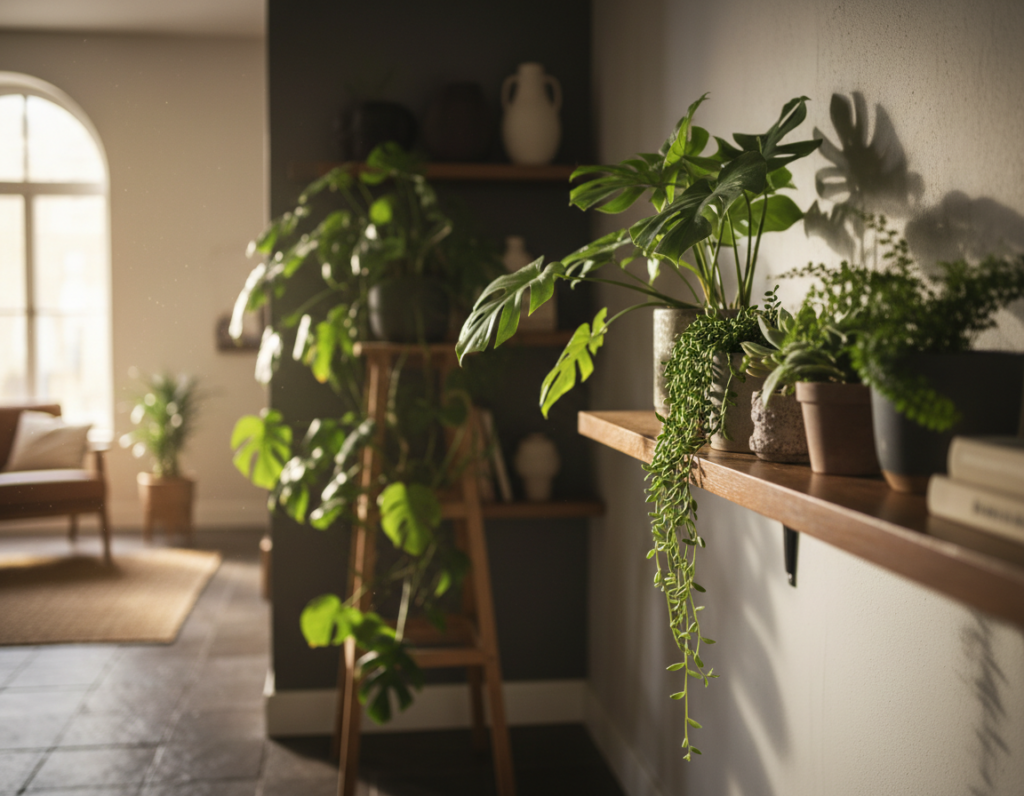
Winter often brings low light and dry air that stress greenery. Research showed central heating can drop household humidity below 20%, drier than parts of the Sahara. This makes choice and care essential to keep a healthy home garden.
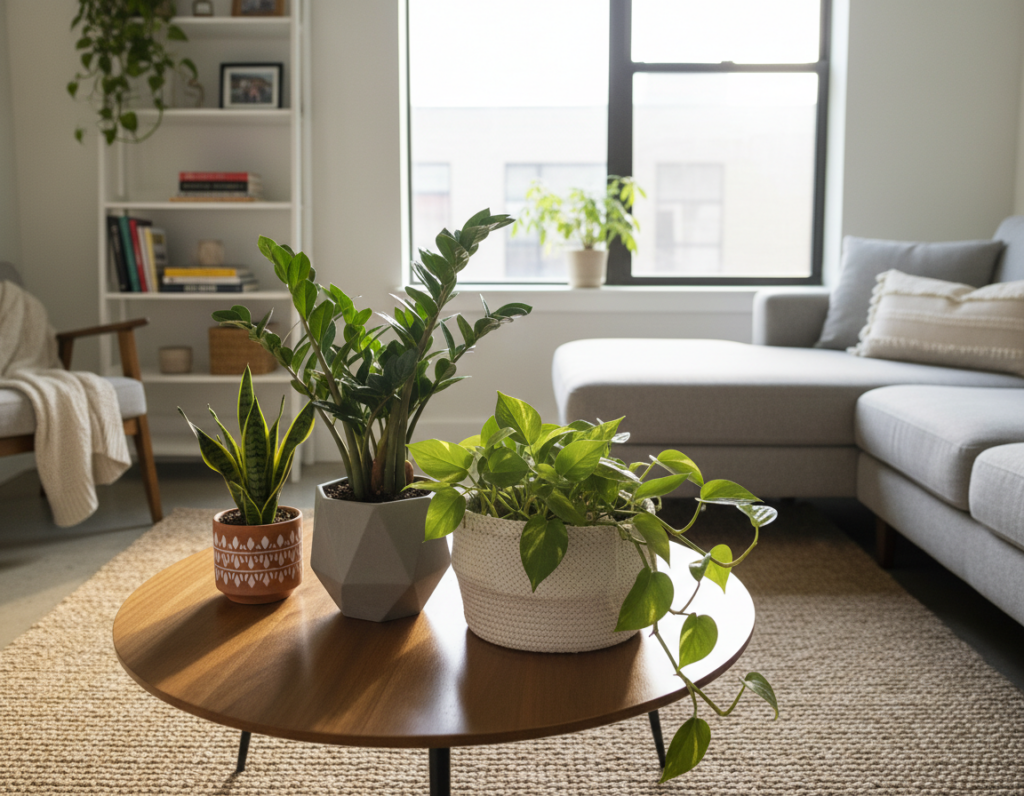
The Snake Plant, ZZ Plant, and Rubber Tree proved hardy and tolerant of forced-air heat. They handled low light and dry air with ease. With the right basics, these houseplants stayed resilient.
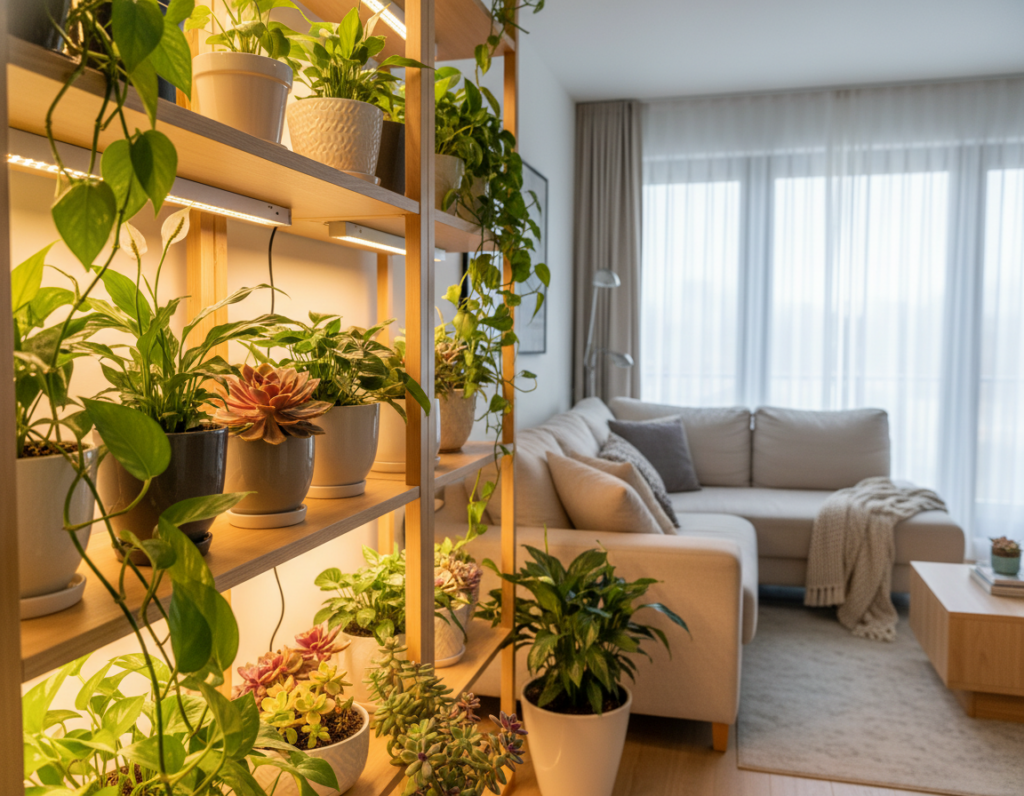
Full-spectrum LEDs like the Aspect™ Gen 2 helped when the sun was sparse. The world’s first décor grow light was designed to bridge the gap until spring. That light kept foliage functional and ready for warmer days.
Key Takeaways
- Central heating can create very dry indoor air; choose hardy greenery.
- Snake, ZZ, and Rubber Tree handle low light and dry heat well.
- Provide steady light and sensible watering to prevent stress.
- Full-spectrum LEDs such as Aspect™ Gen 2 boost growth when sunlight is limited.
- With the right choices, a small home garden can stay vibrant all season.
- Think of winter as a quiet phase; many plants simply recharge for spring.
Understanding Winter Challenges for Apartment Foliage
When heaters run and daylight shrinks, moisture and light both slip away from potted foliage. Central heating often drops humidity below 20%, a level drier than parts of the Sahara. Most plants prefer 40–60% humidity levels for steady growth.
Low humidity and forced-air vents dry leaves quickly. Even species that tolerate low light will show scorched tips or slowed growth if air is too dry. Proper care means checking moisture and relocating specimens away from drafts.
Grouping plants creates a small micro-climate and raises humidity through natural transpiration. A pebble tray or humidifier will help species that demand higher moisture — for example, bromeliads need about 60% and cyclamen struggle with drafts.
Quick tips:
- Monitor humidity levels with a cheap hygrometer.
- Place sensitive plant types away from vents and doors.
- Provide bright, indirect light where available and avoid long stretches of low light.
Top Indoor Plants for Apartments in Winter
A few reliable species will keep green foliage through shorter days and dry heat.
The list below highlights three that stay resilient with minimal fuss. Each entry notes light needs, how often to water, and soil tips.
Snake Plant
Light: tolerates low light and bright indirect light.
Care: let the soil dry between waterings. The snake plant converts CO2 to oxygen at night, which helps bedroom air quality.
Pothos
Light: adaptable to low light but thrives with bright indirect light.
Care: trim leggy vines and check that potting mix drains well. Pothos can push out heart-shaped vines even when light is scarce.
ZZ Plant
Light: handles dim rooms easily.
Care: its underground rhizomes store water, so water sparingly—about once a month when the soil is dry.
“Choose tough species and match basic light and water needs; many will calm down rather than crash during cold months.”
| Species | Light | Water | Soil & Notes |
|---|---|---|---|
| Snake Plant | Low to bright indirect | Sparse; allow soil dry | Well-draining mix; night oxygen release |
| Pothos | Low to bright indirect | Moderate; avoid soggy soil | Fast-draining potting mix; trim if leggy |
| ZZ Plant | Low light tolerant | Very infrequent; rhizomes store water | Lean mix; excellent for dry, heated rooms |
Managing Light and Humidity in Small Spaces
Low sun and heated air mean growers must actively balance light and moisture. This pair of factors is the biggest limiter to healthy growth in a small room.
Start with the right supplemental source. Full-spectrum LEDs such as the Aspect™ Gen 2 deliver the wavelengths a plant needs for photosynthesis. The Vita Grow Light is useful for trailing species that reach toward windows.
Utilizing Grow Lights
Set a timer to mimic natural day length; most species do well with 10–14 hours of bright light or bright indirect exposure. If foliage leans to the window, increase light intensity or duration.
Humidity matters as much as light. Many species slow transpiration when the air is dry, which risks brown leaf tips and stalled growth.
- Raise humidity with a pebble tray or a small humidifier to reach target humidity levels.
- Bromeliads need about 60% humidity to keep their leaves healthy; groupings can boost moisture by shared transpiration.
- Keep soil moisture moderate—do not overwater—because cooler, drier conditions slow a plant’s uptake.
Essential Watering Techniques for Dormant Months
Dormancy changes how a plant uses water, so routine checks replace calendar watering. Growth slows and the root system needs less moisture. That makes correct timing and a good potting mix essential.
The Finger Test
The Finger Test
Stick a finger about two inches into the soil to check moisture. If it feels damp, put the watering can away. This simple method beats a fixed schedule and helps avoid soggy roots.
Avoiding Overwatering
Avoiding Overwatering
Most losses during winter months result from too much water. Plants drink less while dormant, so allow soil dry between sessions unless a species needs constant moisture.
- Jade prefers soil consistently moist but never soggy; use an excellent-draining potting mix.
- Pothos should be watered when the top inch of soil is dry to keep leaves healthy.
- Cyclamen needs water when soil is an inch down dry; keep the crown and leaves dry.
- When you water top of the soil, ensure full drainage so roots do not sit in water.
“Avoid overwatering: allow soil to dry between waterings and match care to reduced growth.”
Protecting Your Greenery from Drafts and Dry Air
Protecting foliage starts with spotting drafts and stabilizing the room’s humidity. Cold or hot blasts from vents can scorch leaves and make buds drop.
Some species, like the snake plant, tolerate bone-dry air but still dislike direct drafts or overwatering. Other types, such as a Christmas cactus, may lose buds if exposed to sudden temperature swings.
Group specimens close together to create a micro-climate that raises humidity naturally. A small humidifier or a pebble tray under pots keeps humidity levels steadier without constant misting.
Use a well-draining potting mix and let the topsoil dry between waterings to avoid root rot. Move any plant away from heaters or drafty windows to reduce stress.
“Monitor air and temperature; small moves often prevent big losses.”
- Check placement: avoid direct heat sources and vents.
- Boost humidity: group greenery or use a pebble tray.
- Protect roots: use a loose potting mix and keep soil dry between waterings.
Conclusion
, Smart care and the right species help a home garden survive low-light months. A focus on steady light, humidity from a pebble tray, and restrained watering makes a big difference.
Choose hardy types such as the snake plant and other tolerant houseplants to build a resilient collection. Give each plant simple, consistent care and avoid drafts to reduce stress during the cold months.
Keep learning and adapt routines as the seasons change. For more species ideas and care basics, see this guide to the best houseplants for your apartment and plan a thriving indoor garden year-round.